1906: Ed Gein, the Butcher of Plainfield, Born in Wisconsin

Edward Theodore Gein was born on August 27, 1906, in Plainfield, Wisconsin. He would become one of the most disturbing figures in American criminal history, a murderer and body snatcher whose crimes shocked the nation when they were uncovered in November 1957. Authorities searching his farm found the decapitated, mutilated body of hardware store owner Bernice Worden hanging upside down in a shed, dressed out like a deer. Gein had also been raiding local graveyards for years, fashioning keepsakes from the bones and skin of exhumed corpses.

Gein confessed to two murders: Worden in 1957 and tavern owner Mary Hogan in 1954. Found legally insane, he was committed to a psychiatric institution and never stood trial. He died in 1984. His crimes inspired some of fiction’s most iconic killers in movie history.

Patient.
Patient.

⬅ See all events from 27 August

Spread the word on your favourite platform!

1840: The Coorong Executions after the Maria Massacre

In June 1840, the ship Maria wrecked on Margaret Brock Reef off Cape Jaffa, South Australia. All twenty-six aboard reached shore, but the survivors later split into groups as they attempted to make their way towards Adelaide. Those travelling along the coast entered the territory of the local clan, where they were killed in a series of attacks. The remaining survivors were also pursued and subsequently killed.

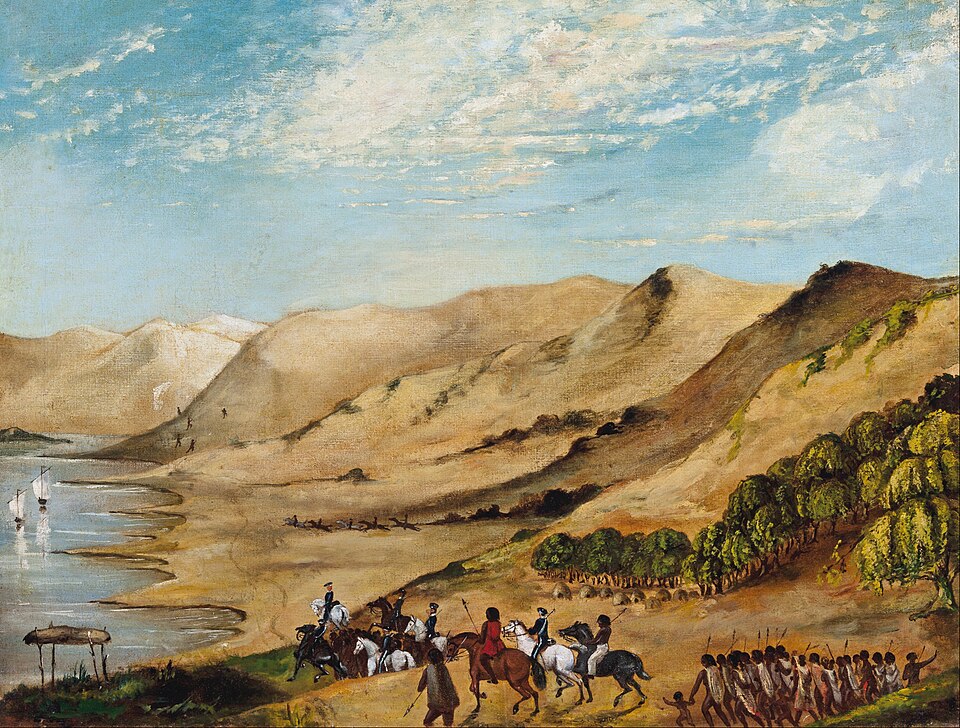
Major O’Halloran, acting under orders, rounded up members of the local clan and conducted a summary field trial on the Adelaide frontier. Two men were hanged on 25 August 1840, in what colonial authorities framed as justice for the massacre, but which many historians regard as an act of punitive colonial retribution.

Major OHallorans 1840 expedition scene with mounted party

⬅ See all events from 25 August

Spread the word on your favourite platform!

On This Day in True Crime History – 15th February

On this day in True Crime History, we revisit the 15th February.

1564: 🌌 Birth of the Heretic Galileo, aka the Father of Science

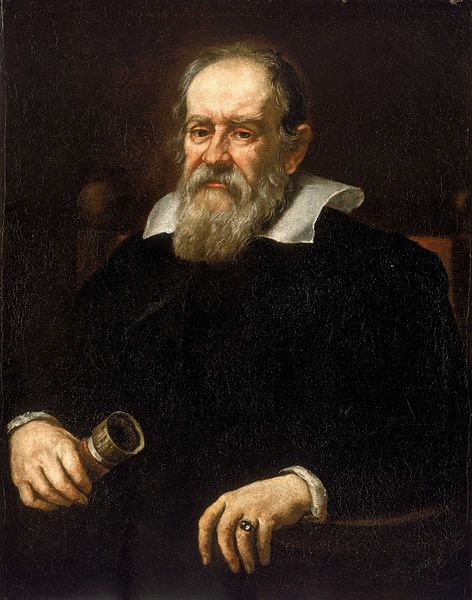
On this day in 1564, Italian scientist and astronomer Galileo Galilei was born.

Galileo Galilei would be found guilty of heresy by the Roman Catholic Inquisition in 1633. His support for the heliocentric theory, which posited that the Earth and other planets orbit the Sun, directly contradicted the Church’s geocentric view that placed the Earth at the centre of the universe.

Despite Galileo’s efforts to argue that his findings did not conflict with Scripture, the Inquisition ruled that he had violated a 1616 edict that forbade holding, teaching, or defending the heliocentric theory.

As a result, Galileo was forced to recant his views and spent the remaining years of his life under house arrest.

In the 18th century Galileo’s middle finger was removed from his corpse and is now currently on display in the Museo Galileo in Florence, Italy. 🌠🔭📚

This Day in True Crime History

1796: 🌳 The Death of John Black Caesar Australia’s First Bushranger

On this day in 1796, John Black Caesar, also known as Australia’s first bushranger and a figure from Australia’s early convict history, met his end.

Born around 1763, possibly in Madagascar, Caesar’s journey took him from servant in England, to being transported to Botany Bay for theft to notorious bushranger in the colony of New South Wales.

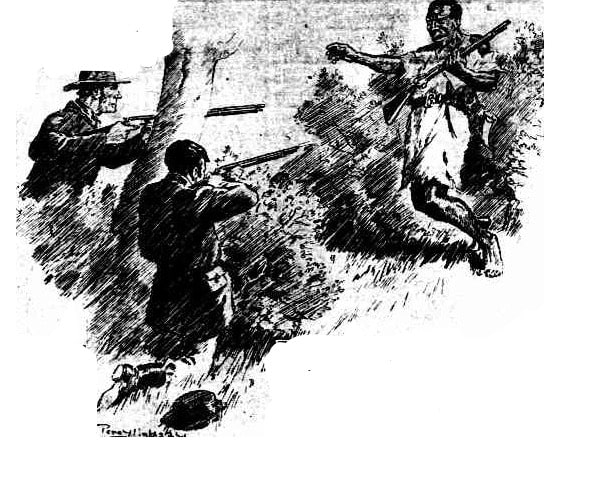
Despite being recognized for his diligence, Caesar’s insatiable appetite led him down a path of repeated theft, resulting in additional sentences and escapes into the bush, where he attempted to live off the land. His repeated efforts to sustain himself outside the confines of the penal colony saw him clashing with local Aboriginal groups and the colonial authorities.

His final escape in December 17-95, leading a gang of absconders, solidified his reputation as Australia’s first bushranger. The pursuit for his capture ended tragically when he was shot to death, but by this time, his legacy in Australian history had been secured.

This Day in True Crime History

1872: ⚖️Execution of the Outlaws Charcoal and Tommy

On this day in 1872, Charcoal and Tommy, were executed for the murder of Samuel Lazenby during a pearl fishing expedition in Port Walcott, Western Australia.

This excursion took a strange turn when Lazenby failed to return from the expedition, with his disappearance cloaked in betrayal and violence. The subsequent investigation resulted in the discovery of Lazenby’s body – partially buried and identifiable by peculiarities in his jaw and the clothing he was last seen wearing.

Captured and subjected to trial, Charcoal and Tommy faced overwhelming evidence against them. Witness testimonies, coupled with the recovery of Lazenby’s belongings and fragments of his boat in their possession, painted a damning picture. Despite their pleas of innocence, the jury delivered a swift and unanimous guilty verdict. 🎣⚖️🕵️‍♂️

Fremantle Prison Execution
Spread the word on your favourite platform!

On This Day in True Crime History – 8th February

On this day in True Crime History, we revisit the 8th February.

1587: ⚔️ The Execution of Mary, Queen of Scots, for Suspected Conspiracy

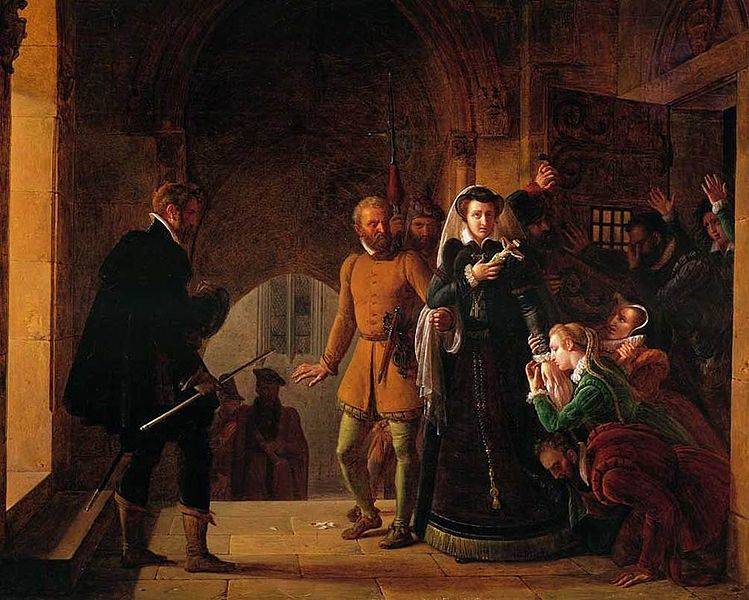
On this day in 1587, Mary, Queen of Scots, a figure entwined in political intrigue and dynastic struggles, was executed. Born in 1542, she became queen of Scotland at just six days old after her father’s death.

Her early life was marked by a brief betrothal to the English Prince Edward, a move that sparked conflict due to religious differences. She was instead sent to France, where she married Francis II, becoming queen consort of France at 16. Widowed at 18, she returned to Scotland, a realm divided by religious strife.

Mary’s reign in Scotland was turbulent, characterized by her marriage to her cousin Lord Darnley, whose murder and her subsequent marriage to the prime suspect, the Earl of Bothwell, led to widespread scandal and her forced abdication in favor of her infant son, James VI of Scotland (later James I of England).

Fleeing to England for protection, she became a prisoner of her cousin, Elizabeth I, due to her strong Catholic claim to the English throne. After 19 years of captivity she was caught in conspiracy to murder Queen Elizabeth, leading to her demise, leaving a legacy of martyrdom for her Catholic supporters.

Her execution was infamously botched and took three blows of the axe to complete the job. ⚖️👑📜
This Day in True Crime History

1792: 🍞 James Collington’s Execution for Bakery Burglary

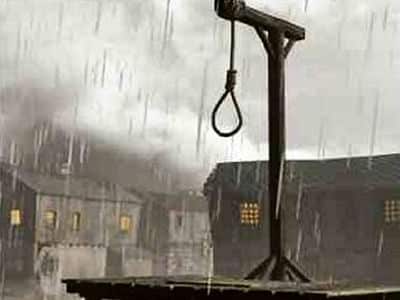
On this day in 1792, James Collington met a grim end, hanged for the theft of bread and flour from the hut of John Campbell, a laborer who provided baking services to the public, as well as a check apron belonging to Susanah Bray, who resided in the same dwelling.

At the hanging tree he addressed the convicts, warning them to avoid the path he had pursued; but said, that he was induced by hunger to commit the crime for which he suffered. He appeared desirous of death, declaring that he knew he could not live without stealing.

This severe punishment for seemingly petty theft was considered necessary as a means for keeping law and order intact owing to the near starvation rations that existed in the colony at this time. 🏚️⚖️💔
This Day in True Crime History

1799: 🚨 James Reece’s Desperate Final Act Before Execution

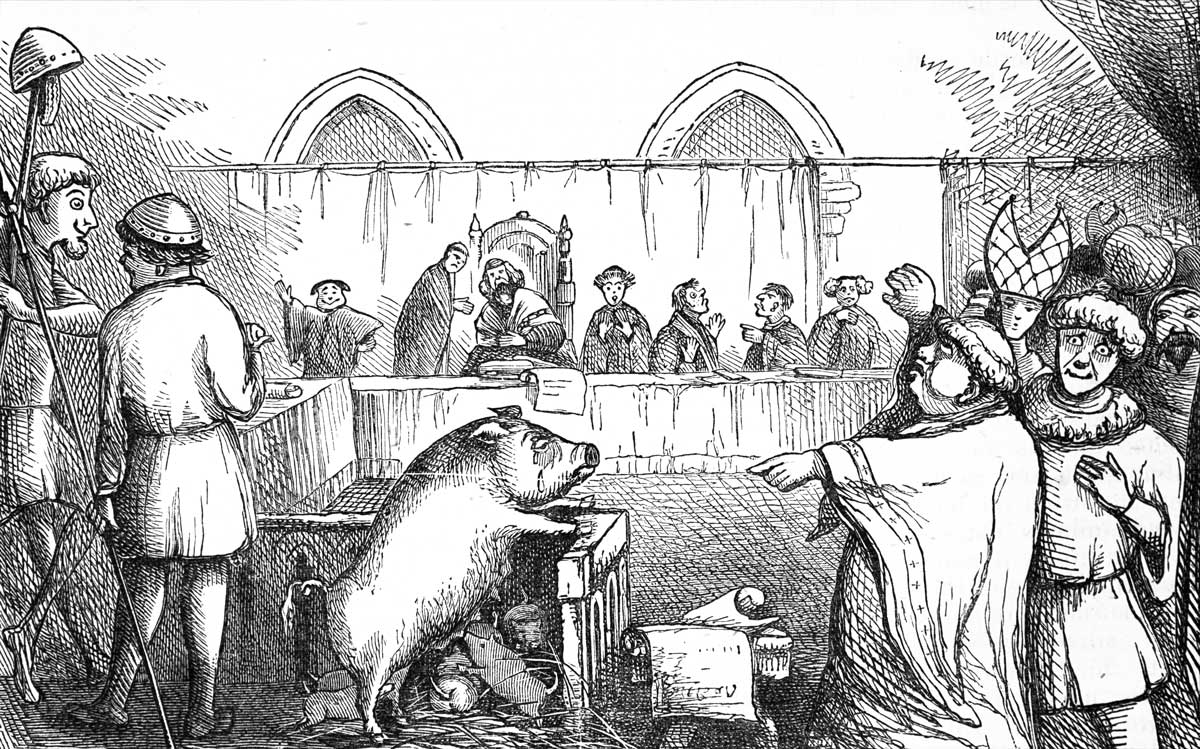
On this day in 1799, James Reece was hanged for a crime involving a sow, which was a capital offence under the severe moral and legal codes of the time.

Reece’s case was particularly notable not only for the nature of the crime but also for his actions on the day of his execution. Having previously been granted a reprieve at the gallows, Reece made a desperate attempt to escape his fate by attempting to cut his own throat on the morning he was to be executed.

The attempt was not fatal and was likely an attempt to buy more time in order to plan an escape attempt rather than a genuine desire for death.
This Day in True Crime History

1879: 🏦 Ned Kelly’s Daring Raid on Jerilderie

On this day in 1879, the notorious Ned Kelly and his gang executed one of their most audacious heists, targeting the small town of Jerilderie.

In a display of cunning and boldness, they captured two police officers, securing them in their own cells, before proceeding to rob the local bank. This event not only showcased the gang’s expert planning and brazenness but also highlighted Kelly’s complex relationship with authority and his sense of social justice.

His declaration, “I am a widow’s son outlawed and my orders must be obeyed,” underscored his defiance and the desperate resolve of a man cornered by circumstances.

The raid culminated in the drafting of The Jerilderie Letter, an outlaw’s manifesto that served as a poignant narrative of Kelly’s grievances against the police and the judicial system, sealing his legacy as one of Australia’s most emblematic and polarizing figures. 📜🔒💰

Ned Kelly

1950: 🕵️‍♂️ The Founding of the Stasi in East Germany

On this day in 1950, East Germany saw the establishment of the Stasi, or “Staatssicherheit,” marking the inception of one of the most repressive and feared secret police agencies in the world.

The Stasi was notorious for its extensive surveillance and espionage activities, both within East Germany and abroad, aimed at suppressing dissent and controlling every aspect of citizens’ lives. Its methods included informants, wiretapping, and extensive personal surveillance, creating an atmosphere of fear and mistrust among the population.

The agency’s vast network and ruthless tactics made it a symbol of the oppressive nature of East German communist rule. The Stasi was dissolved in 1990, following the fall of the Berlin Wall and the subsequent reunification of Germany, but its legacy remains a chilling reminder of the dark side of surveillance and state control. 🔍💔

Stasi
Spread the word on your favourite platform!

On This Day in True Crime History
1794·The First Free Settler Murdered in the Colony: Hanged at Sydney for a Parramatta Stabbing
1826·The Gun That Misfired Twice: Three Bushrangers Hanged Outside Sydney
1873·A Tearful Confession in Custody Cracked the Case: Two Men Hanged at Perth Gaol for Eating their Victim
1889·He Called It an Accident. The Jury Called It Murder: Robert Landells Hanged at Melbourne Gaol
1907·A Doctor Fooled Twice: Martha Rendell and the Second Child to Die of Diphtheria
2002·Shot Dead in His Own Bed: A Melbourne Gangland Killing Blamed on a Friend
More Crime On This Day →

Subscribe to Dark Stories

True crime stories, dark history and tour news, straight to your inbox.