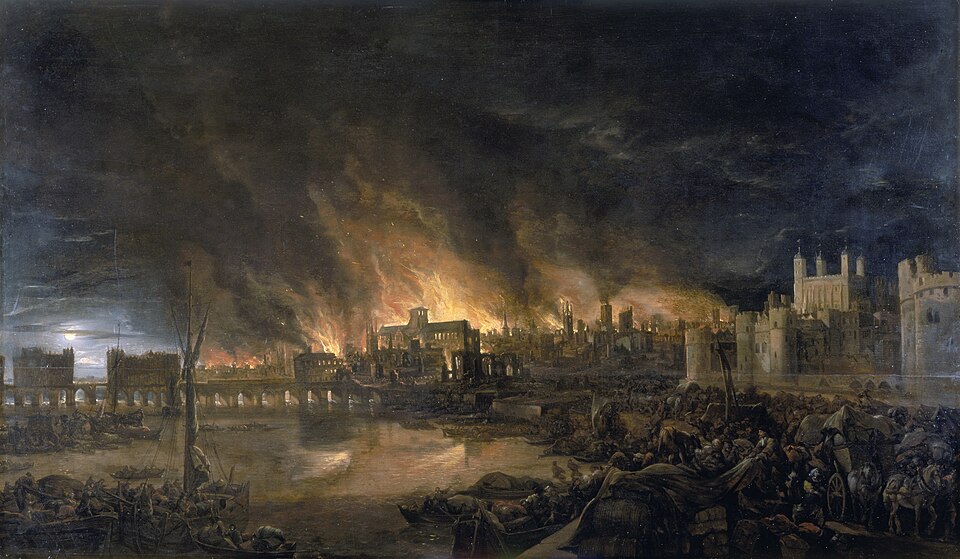
Robert Hubert, a French watchmaker, confessed to starting the Great Fire of London, claiming he had thrown a fireball through a bakery window to set the blaze alight. Records showed he had not even set foot in England until two days after the fire began, and neither the judges nor the jury who tried him believed he was guilty.
He was hanged at Tyburn on this day in 1666 anyway. Afterwards, a crowd of Londoners tore his body apart before it could be handed over to the Company of Barber-Surgeons for dissection.
Hubert never withdrew his confession, insisting to the end that he had set the fire, even as the evidence against his own story mounted.
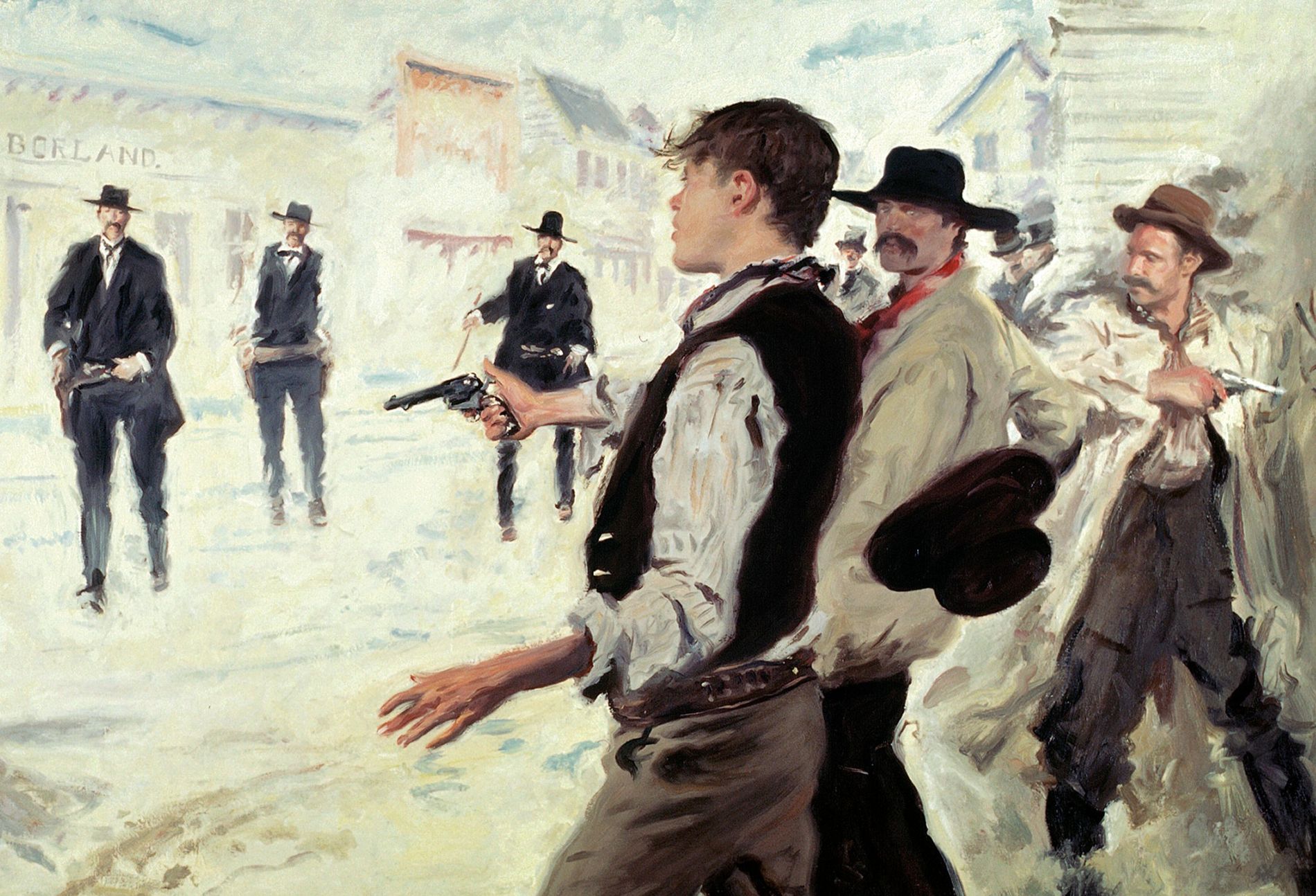
The feud between the Earp brothers and the Clanton-McLaury outfit had been building for months over cattle rustling, stagecoach robberies and bad blood on the streets of Tombstone, Arizona Territory. It ended in a vacant lot behind the O.K. Corral on this day in 1881, when Wyatt, Virgil and Morgan Earp, backed by the gambler and gunfighter Doc Holliday, walked down to disarm a group of armed men they accused of flouting the town's gun ban.
What followed lasted less than thirty seconds. Around thirty shots were fired at close range, leaving Tom McLaury, Frank McLaury and Billy Clanton dead in the dirt. Virgil and Morgan Earp were both wounded but survived, and the shootout became the most mythologised gun battle of the American West, replayed in films and folklore ever since.
Annie Birkett married Harry Crawford in Sydney in 1913 not knowing that Crawford had been born Eugenia Falleni and had lived as a man for twenty years. A neighbour told her in 1917. That October the pair went picnicking at Chatswood and Annie never came home; a charred body was found in scrub off Mowbray Road the next morning, still alive when the fire was lit, the doctor said. It lay unidentified for three years. Falleni told her son she had run off with another man.
The boy remembered other things. Days after his mother vanished his stepfather took him to The Gap and tried to coax him to the cliff edge; a week later he led him into scrub at night, told him to dig a hole, then threw the shovel away and took him home. In 1920 the son went to police. The body was matched through its false teeth, and among its effects he knew his mother's shoes, one sole mended by his stepfather. Tried at Darlinghurst in what the papers called the "Man-Woman case", put into the dock first in a suit and then in a dress, Falleni was convicted in two hours.
Sentenced to death, later commuted to life, Falleni told the judge: "I am not guilty, your Honor. I know nothing whatsoever of this charge."
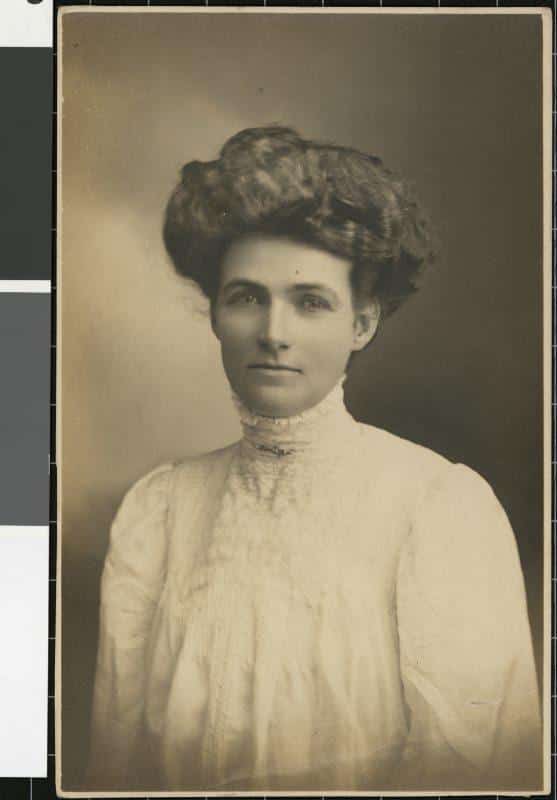
Portrait of Annie Birkett, circa 1910. Justice & Police Museum Collection, Museums of History NSW. Gift of Linda Slinger, 2011. Accession no. JP2011/1-2.
Eliza Benwell was housemaid at an inn in New Norfolk, near Hobart, where fellow servant Jane Saunders worked alongside her. In January 1845 three of the inn's male servants seized Saunders in the garden during what began as friendly play, stuffed a handkerchief into her mouth and dragged her, apparently lifeless, down to the river. Benwell stood by and watched it happen, then waited at the house for the men to return before letting them in.
The three killers were tried and hanged first. Benwell was convicted separately as an accessory before and after the fact, a charge carrying the same capital sentence as murder itself. She was hanged before a huge crowd on 30 September 1845, closing her eyes on the scaffold so she would not have to look at the spectators, reportedly the first woman executed in the city in fifteen years.
On the eve of her death she confessed that she could have saved Saunders's life had she known a murder was intended.