Darlinghurst is a unique suburb of Sydney. It was home to the gang leaders of the Razor Gang Wars of the 1920s and 1930s. In addition, the streets of Darlinghurst are wonderfully well preserved examples of old Australia.
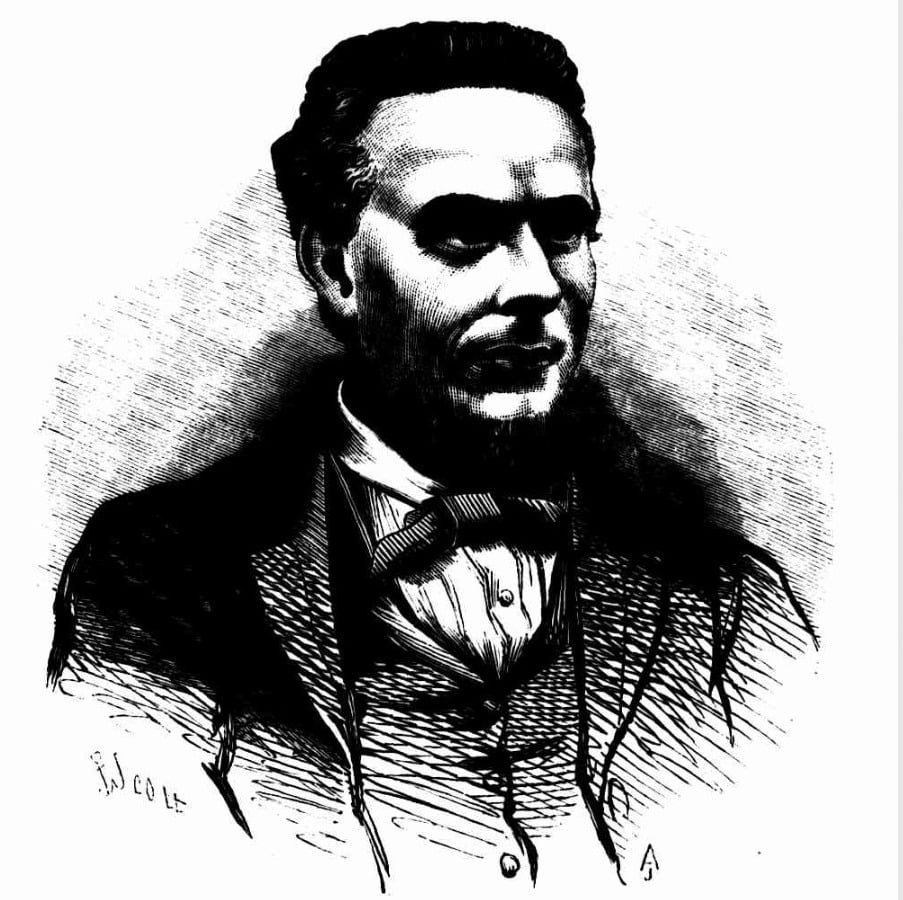
William Henry Scott, a butcher working in Sydney, was arrested on 10 October 1866 after police traced a bloodstained axe and a scrap of twilled calico he had left in storage with his former landlady, Mrs Janet Orr. The cloth matched a fragment found wrapped around the charred, headless remains of a woman dug up weeks earlier on waste ground off Sussex Street.
The breakthrough led detectives to Scott’s former workmates, who recalled his offhand confession in the days after the killing: that he had “done away with the Kangaroo”, their nickname for the woman who used to wait outside the shop for him each evening. Tried and convicted despite his furious denials, Scott was hanged at Darlinghurst Gaol in March 1867.
On the scaffold he still insisted, “I’ve never murdered man, woman or child in my life”, before forgiving the witnesses he blamed for his conviction.
Annie Birkett married Harry Crawford in Sydney in 1913 not knowing that Crawford had been born Eugenia Falleni and had lived as a man for twenty years. A neighbour told her in 1917. That October the pair went picnicking at Chatswood and Annie never came home; a charred body was found in scrub off Mowbray Road the next morning, still alive when the fire was lit, the doctor said. It lay unidentified for three years. Falleni told her son she had run off with another man.
The boy remembered other things. Days after his mother vanished his stepfather took him to The Gap and tried to coax him to the cliff edge; a week later he led him into scrub at night, told him to dig a hole, then threw the shovel away and took him home. In 1920 the son went to police. The body was matched through its false teeth, and among its effects he knew his mother’s shoes, one sole mended by his stepfather. Tried at Darlinghurst in what the papers called the “Man-Woman case”, put into the dock first in a suit and then in a dress, Falleni was convicted in two hours.
Sentenced to death, later commuted to life, Falleni told the judge: “I am not guilty, your Honor. I know nothing whatsoever of this charge.”
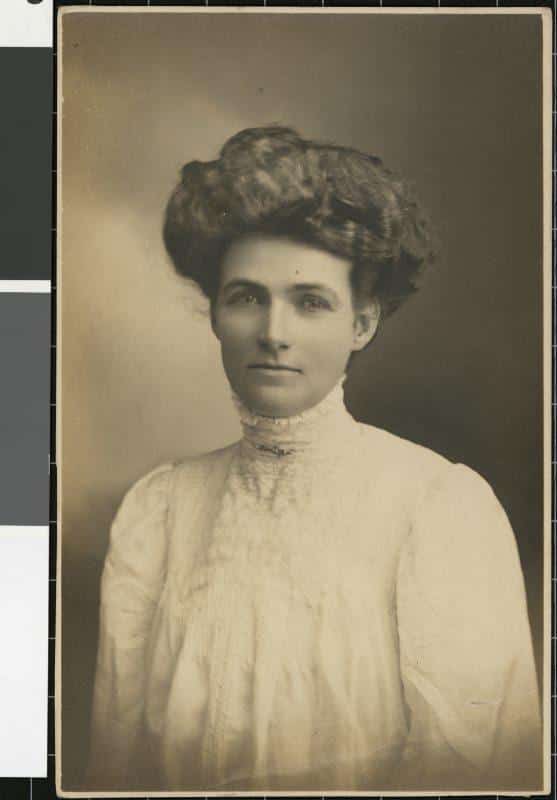
Portrait of Annie Birkett, circa 1910. Justice & Police Museum Collection, Museums of History NSW. Gift of Linda Slinger, 2011. Accession no. JP2011/1-2.
John Hughes told the jurors who convicted him that they were “shopkeepers tired of waiting, and anxious to get home for their dinner”. They had taken ten minutes. Days later he was hanged behind Melbourne Gaol for the murder of Abraham Marcus, a traveller whose only mistake was chasing the men who stole his best horse.
In December 1852 Marcus was bound for the Ovens goldfields with his wife and nine-year-old son when their dray broke down at Yackandandah Creek. Four horsemen stopped, accepted a meal and even helped with the repairs. Hughes turned down four pounds for his tired horse and saddle, remarking that he would not go much further before he had another. When the riders had gone, so had the best of the Marcus horses, with the worn-out mount left in its place.
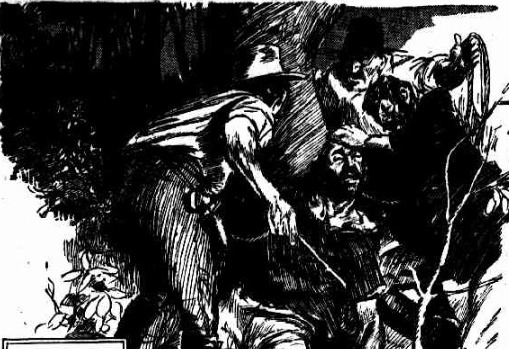
Marcus rode after them and seized the bridle. The gang kept him talking until a passing bullock dray was out of sight, then drew pistols, marched him into the bush and tied him to a tree, where he was later found dead. His whole party recognised the rope: it had hung around the neck of the horse Hughes rode. That same evening, by his own later account, the gang robbed a young Sydney man named Stone on his way home from the diggings; he broke free, was run down and killed, and his body was sunk in a creek, weighted with stones and a saddle.
A reward of 200 pounds was offered, but it was 1854 before the widow picked Hughes out of a line of 21 identically dressed prisoners in the yard of Darlinghurst Gaol. He made a long confession naming three accomplices, then asked to be sent to Melbourne quickly, since enough had been proved to hang him. At trial he called the jurors “new chums”, to laughter from the gallery. The judge replied that an innocent man would never have dared to browbeat a jury so, and that the clear evidence of the dead man’s young son had settled the matter.
From the dock Hughes withdrew his confession as false and swore the men he had named were innocent too: “I now say, and will on the day of my death, that I am an innocent man.” He went to the scaffold pale but composed, and made no further revelations.
Francis Thomas Green was hanged at Darlinghurst Gaol on 21 September 1852 for the murder of John Jones at Buckley’s Creek on 10 March that year, shot dead with a pistol. The execution holds a grim distinction: it was the last public hanging carried out in New South Wales.
The morning of the execution broke dark and drizzling, yet the crowd was of the usual size, with women reportedly outnumbering men by nearly three to one. A carriage carrying women described by the press as being of “respectable exterior” was drawn up directly in front of the gallows, its occupants showing what one newspaper called a “disgusting eagerness” to secure the best view, while mothers nursed infants and children ran boisterously among the onlookers.
Green’s wife visited him for a final farewell the day before his death, the only moment he was seen to show real emotion. He spent his last night in prayer with a Roman Catholic priest, having initially refused all ministers before requesting Catholic clergy in his final days.
Green made a partial admission to a gaol official before his death, saying that Jones had fallen by his hand “in the heat of a sudden quarrel”.
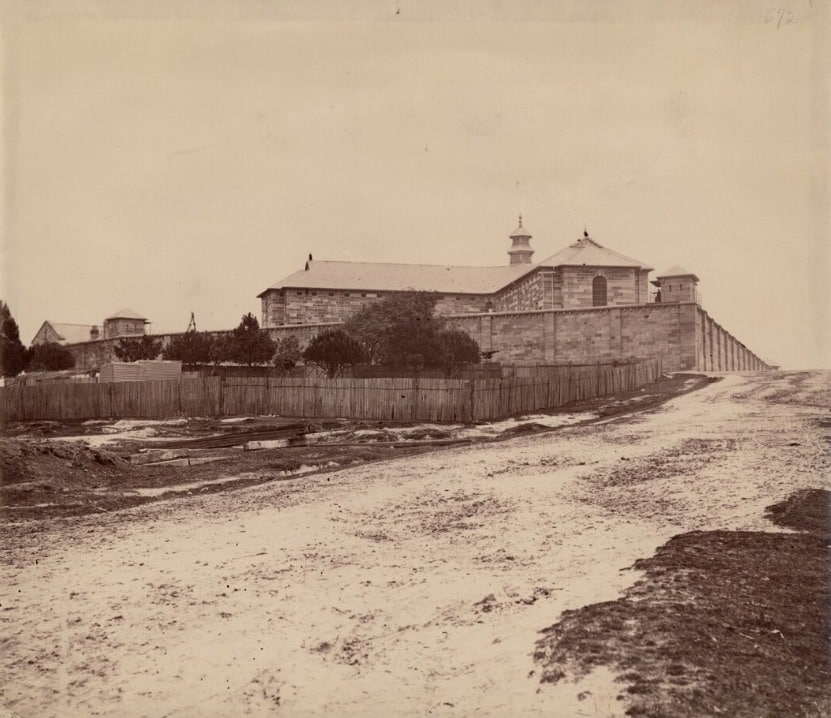
Darlinghurst Gaol northeast corner view from Burton Street 1870