John Winship: The Young Highwayman of Covent Garden

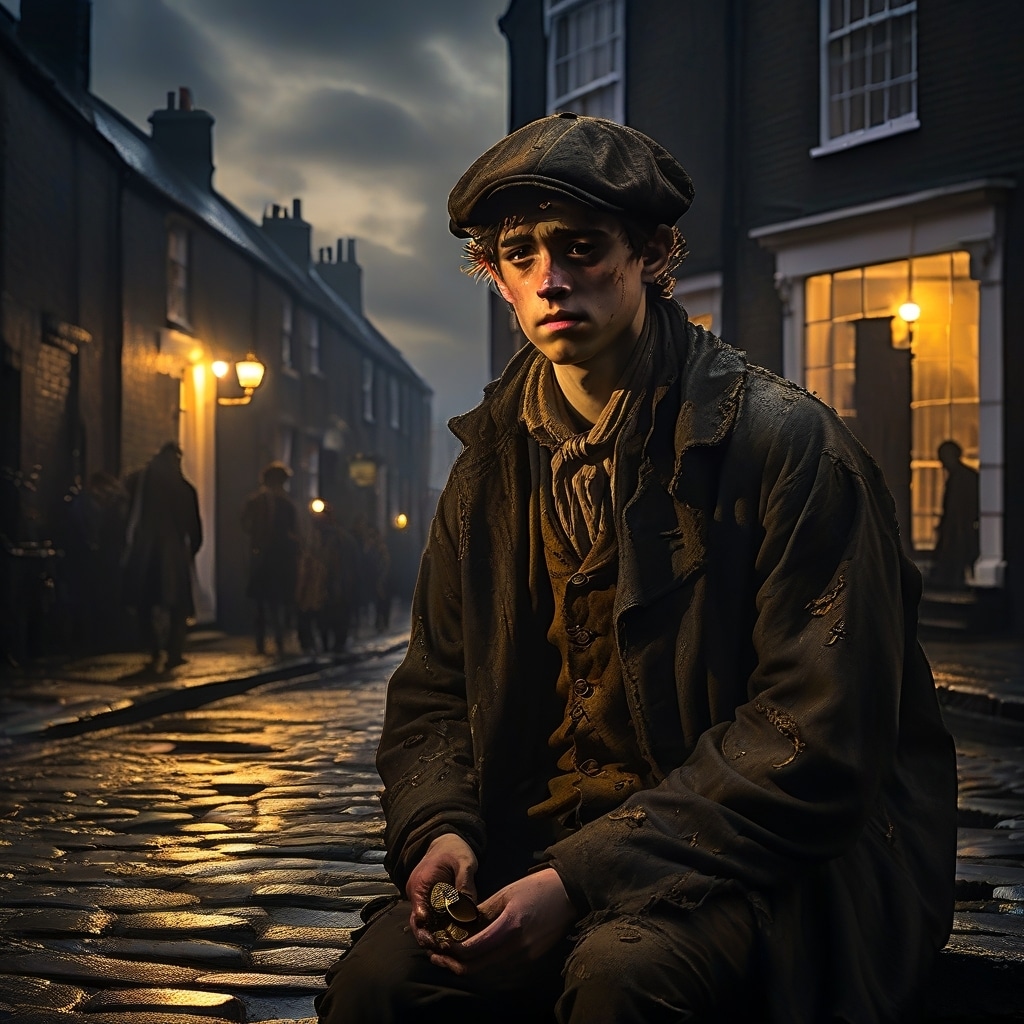
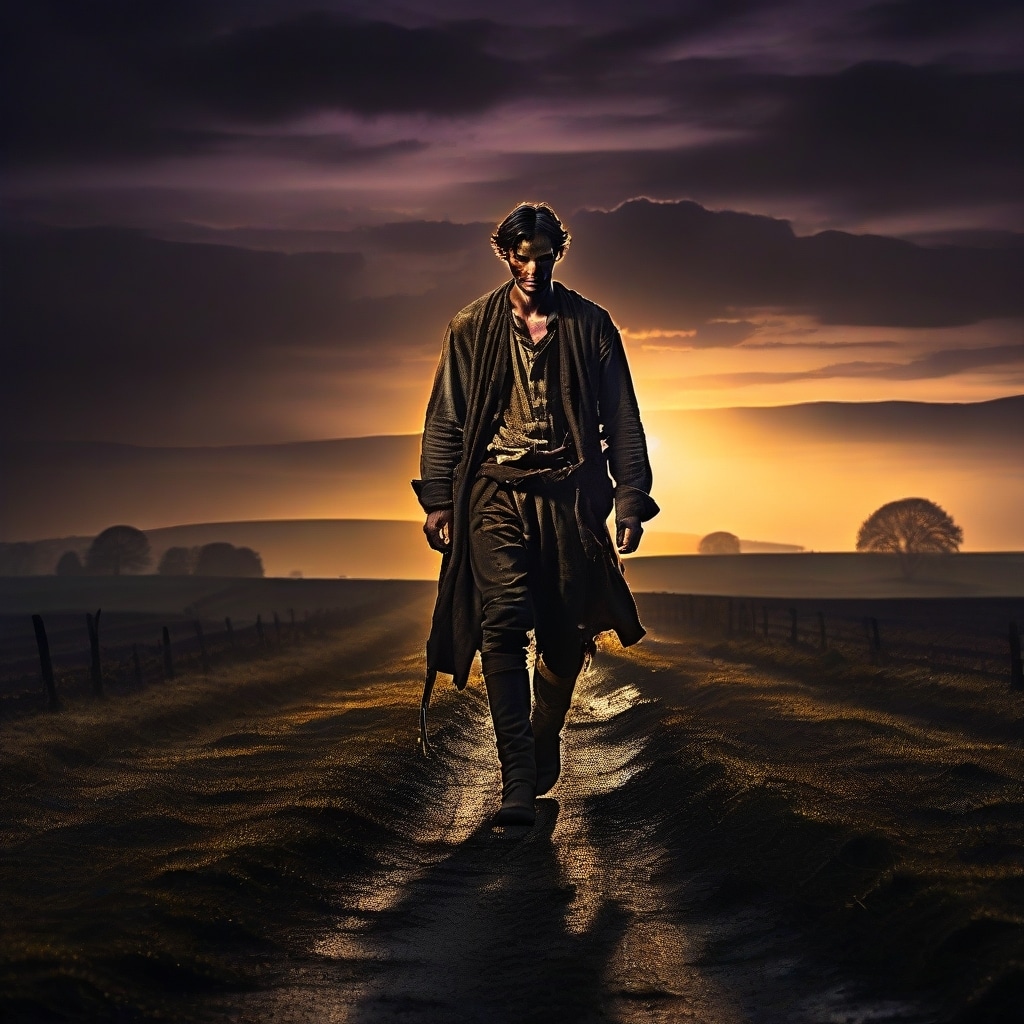
He is seventeen, an apprentice carpenter in Covent Garden, and he has just noticed a young woman standing in a doorway. In Lives of the Most Remarkable Criminals, the story of John Winship begins not with violence but with infatuation; a boy whose idle upbringing leaves him entirely unprepared for the cost of courtship, and who drifts toward the road when honest wages fall short.

There is something quietly inevitable about Winship’s slide from lovesick youth to mounted robber, a trajectory that feels as urgent now as it did in the 1720s. His is a piece of true crime from an era when the line between a restless boy and a desperate outlaw could be crossed in a single reckless season.

The dark roads outside London are waiting, and John Winship is about to learn what the night demands in return for its silver. Hear his full account read aloud from the pages of Lives of the Most Remarkable Criminals; let the words of 1735 carry you back to the world he once rode through.

Click the RSS feed link below to subscribe and get new episodes the moment they drop.

Subscribe via RSS

Dark Lexicon: Old words. Dark meaning.

The past speaks its own dialect; here is what to listen for in this episode.

Footpad: a highway robber who works on foot rather than on horseback. Where the highwayman had a certain theatrical glamour, the footpad was considered the meaner, more desperate breed; closer to a mugger than a mounted outlaw. Winship is called both, which tells you he took whatever opportunity came his way.

Pistoles: not pistols, though the words look similar enough to confuse. A pistole was a gold coin, originally Spanish, widely circulated across Europe. When the Frenchman loses a hundred and twenty of them, the sum is enormous; this is serious money taken at serious risk.

Caressed: today this word suggests gentle physical affection, but in the eighteenth century it meant to treat with favour, to flatter, to welcome warmly into a group. When the gangs ‘caressed’ Winship, they were not being tender; they were courting his agility and daring for their own profit.

Chariot: not the ancient two-wheeled war vehicle. In Georgian England a chariot was a light, enclosed carriage for one or two passengers, often privately owned. It signals wealth; if you are riding in a chariot, you are worth robbing.

The Ordinary: the chaplain of Newgate Prison, whose official duty was to minister to condemned prisoners. He also had a sideline that would raise eyebrows today: publishing accounts of their confessions and lives for public sale. When Winship refuses to confess to the Ordinary, he is refusing to feed both the man’s spiritual office and his printing press.

Suffered: in modern English, to suffer is to endure pain. In this text, it simply means ‘allowed’ or ‘permitted’; youths are ‘suffered to live’ in idleness means they are let alone to do nothing. The word carried no implication of agony, only of passive tolerance.

Divers: nothing to do with swimming. This is an old form of ‘diverse,’ meaning various or several. When Winship is said to have been concerned in ‘divers gangs,’ the word paints a picture of a man drifting between criminal circles, never settling, always available.

Run distracted: to go mad, to lose one’s reason from grief or shock. It is a vivid phrase; the mind does not simply crack, it runs, as if sanity were a thing that bolts from the body and cannot be caught again.

About This Series

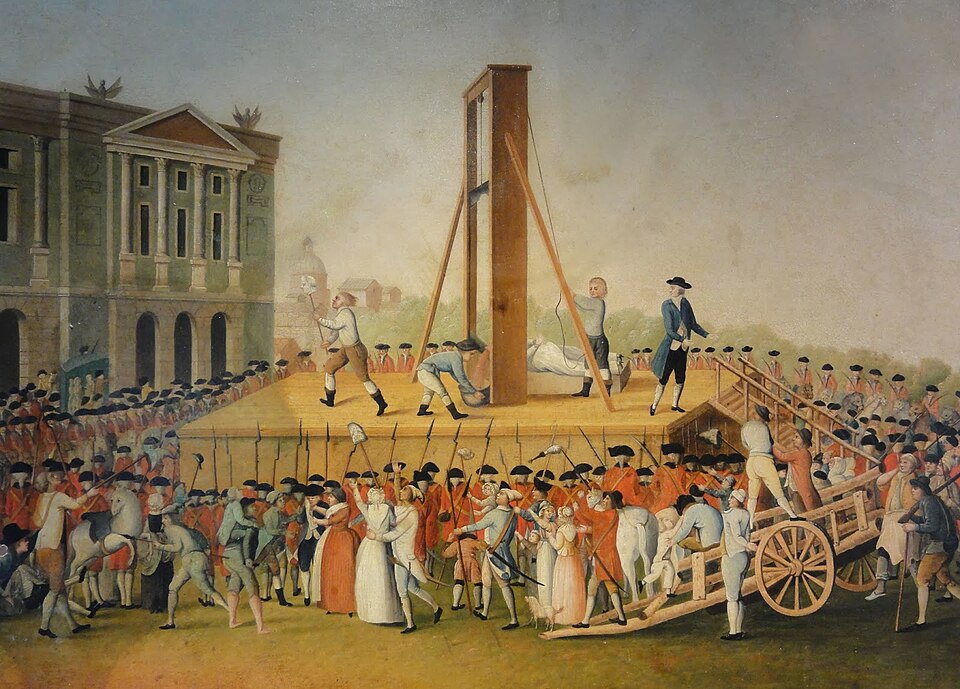
Lives of the Most Remarkable Criminals is one of the earliest works of true crime writing in the English language, nearly 300 years old, covering murderers, thieves, highwaymen, forgers, coiners and worse.

The book is entirely in the public domain and every word of it can be read today for free. But if you would rather listen, this podcast does exactly that: one criminal at a time, every week, read aloud.

True crime was not invented by podcasts or streaming services. Eighteenth century readers were just as fascinated by outlaws and killers as we are today. They just consumed their dark stories by candlelight.

The voice you hear is David Dark: crime researcher, theatre script writer, producer of live immersive experiences, and audiobook narrator and voice artist. This podcast uses an AI voice model trained on David’s own voice, built using the maximum available training data to faithfully represent how he actually sounds. To hear David’s real voice in human generated form, visit him on Audible, Online Stage, Voices of Today, Spoken Realms, and Internet Archive.

Spread the word on your favourite platform!

Matthew Clark: The Cowardly Footpad Who Turned Killer

Matthew Clark is the kind of figure who makes true crime so unsettling: not a mastermind, not a hardened villain, but a lazy, cowardly young man whose small vices compound into something monstrous. Lives of the Most Remarkable Criminals introduces him as a creature formed entirely from the worst impulses of low life; idle, drunk, driven by lust, and too timid to commit even the crimes he plans.

Born in St. Albans to parents of modest means, Clark squanders every opportunity placed before him. Dismissed from a gentleman’s household for sheer incorrigibility, he drifts into roadside robbery on the heaths outside London; not from ambition, but because honest labour feels harder than the risk of the noose.

The Georgian world Clark inhabits is one where cowardice and desperation make a volatile combination, and the roads between country and city are lined with gallows that watch every traveller pass. Hear the full account read aloud from Lives of the Most Remarkable Criminals; let this dark voice from nearly three centuries ago carry you into Matthew Clark’s story.

Click the RSS feed link below to subscribe and get new episodes the moment they drop.

Subscribe via RSS

Dark Lexicon: Old words. Dark meaning.

The past speaks its own dialect; here is what to listen for in this episode.

Footpad: a robber who works on foot, as opposed to a highwayman who attacks from horseback. The footpad was considered the lowest and most contemptible breed of thief; lacking even the theatrical swagger of the mounted robber, he was simply a desperate figure lurking in hedgerows and waiting for someone weaker to come along.

Meaner sort: nothing to do with cruelty here. In eighteenth century usage, ‘mean’ referred to lowly social standing or humble circumstances. The ‘meaner sort’ were the poor and labouring classes; the ones Georgian writers worried most about when it came to moral corruption.

Passengers: today we think of someone sitting in a vehicle, but in this era a passenger was simply anyone passing along a road on foot, horseback, or in a coach. Every passenger on a lonely heath was a potential victim; every stretch of road between towns was a hunting ground.

Junketting: feasting, merrymaking, carousing. The word ‘junket’ still survives in modern English, usually meaning a lavish trip at someone else’s expense, but in Clark’s day it was rawer and more physical: drinking bouts, dancing, and the reckless spending of stolen money on fleeting pleasures.

The matrimonial maggot bit his brain: a wonderfully vivid eighteenth century expression. A ‘maggot’ in this context was a whim or a sudden foolish fancy; the image is of a parasitic idea burrowing into a person’s thoughts and driving them to irrational action. When the matrimonial maggot bit Clark, it meant the notion of marriage seized hold of him like a fever.

Timorous: fearful, easily frightened. Still in use today but far less common, it perfectly captures Clark’s defining trait: a man who plans violence but whose own cowardice keeps undoing him, at least until desperation finally overwhelms his fear.

Jocose: playful, humorous, given to joking. The word carries a warmth and ease that makes its use in this story deeply chilling; Clark sits laughing and flirting with a woman he is already planning to kill.

Made a shift: managed with difficulty, barely succeeded. In this account, the phrase describes a dying woman’s final desperate effort; she ‘made a shift to mutter his name,’ meaning she barely managed to speak it through a wound that should have silenced her entirely.

About This Series

Lives of the Most Remarkable Criminals is one of the earliest works of true crime writing in the English language, nearly 300 years old, covering murderers, thieves, highwaymen, forgers, coiners and worse.

The book is entirely in the public domain and every word of it can be read today for free. But if you would rather listen, this podcast does exactly that: one criminal at a time, every week, read aloud.

True crime was not invented by podcasts or streaming services. Eighteenth century readers were just as fascinated by outlaws and killers as we are today. They just consumed their dark stories by candlelight.

The voice you hear is David Dark: crime researcher, theatre script writer, producer of live immersive experiences, and audiobook narrator and voice artist. This podcast uses an AI voice model trained on David’s own voice, built using the maximum available training data to faithfully represent how he actually sounds. To hear David’s real voice in human generated form, visit him on Audible, Online Stage, Voices of Today, Spoken Realms, and Internet Archive.
Spread the word on your favourite platform!

William Barton: The Highwayman Who Could Not Stay Still

William Barton is born with restlessness in his blood. As Lives of the Most Remarkable Criminals tells it, his father abandons him as a child, fleeing to Jamaica with a concubine and a hold full of goods; the boy grows up in his grandfather’s eating-house, surrounded by comfort he cannot bring himself to accept.

This is true crime at its most unsettled: a young man who cannot sit still, who trades a safe apprenticeship for the open sea and trades the sea for soldiering and trades soldiering for the road. Every turn of fortune that might have saved him only sharpens his appetite for the next dangerous thing.

Somewhere on the highways of early Georgian England, the machinery of justice waits for a man who keeps running toward it.

Lives of the Most Remarkable Criminals preserves every twist of Barton’s restless, sprawling life; listen now and follow him into the dark.

Click the RSS feed link below to subscribe and get new episodes the moment they drop.

Subscribe via RSS

Dark Lexicon: Old words. Dark meaning.

The past speaks its own dialect; here is what to listen for in this episode.

Convened with: today ‘convene’ means to gather for a meeting; in early eighteenth century usage it could mean to cohabit or consort with someone, often with a hint of scandal. When the text says Barton’s father ‘had long convened with’ his concubine, it means they had been living together as lovers, not that they held committee meetings.

Temporal laws: these are the laws of the earthly state, as opposed to divine or ecclesiastical law. When the source says Barton’s father was ‘addicted to every species of wickedness, except such as are punished by temporal laws,’ it suggests the man was a sinner but not quite a criminal; wicked enough for God’s judgment, but careful enough to dodge the hangman’s.

Bound him to himself: not a reference to ropes or chains. To ‘bind’ a young person in this period means to apprentice them; the grandfather formally took Will on as his apprentice, training him in the eating-house trade. It was both a legal contract and a family rescue.

Rubbed on: to rub on means to get by, to muddle through with difficulty. It carries a sense of grinding friction; life is not smooth, you are scraping along it. The phrase is all but extinct today.

Reconnoitre: borrowed from the French, this military term means to survey or scout out an enemy position. Barton, the old soldier, sends his companion ahead to assess the strength of a stagecoach the way an officer would assess a fortification. It tells you everything about how he thinks: robbery is just war continued by other means.

Blunderbusses: a blunderbuss is a short, wide-muzzled firearm designed to spray shot at close range. The name likely comes from the Dutch ‘donderbus,’ meaning thunder gun. Coaches carried them as defensive weapons; their spread of shot made accurate aim unnecessary, which was the point.

Uxorious: excessively devoted to one’s wife. It sounds like a compliment, but in this context it is almost a diagnosis. Barton’s devotion to his wife is presented as the very engine that drives him onto the road; he robs because he cannot bear to see her want. The word carries a faint note of contempt, as if love itself is a weakness when it leads a man to the gallows.

Quoth: simply ‘said.’ Already old-fashioned by 1735, it survived mainly in literary and legal writing. When ‘quoth Will’ appears, the narrator is giving Barton’s words a slightly theatrical air, as if recounting a scene from a stage play rather than a crime report.

About This Series

Lives of the Most Remarkable Criminals is one of the earliest works of true crime writing in the English language, nearly 300 years old, covering murderers, thieves, highwaymen, forgers, coiners and worse.

The book is entirely in the public domain and every word of it can be read today for free. But if you would rather listen, this podcast does exactly that: one criminal at a time, every week, read aloud.

True crime was not invented by podcasts or streaming services. Eighteenth century readers were just as fascinated by outlaws and killers as we are today. They just consumed their dark stories by candlelight.

The voice you hear is David Dark: crime researcher, theatre script writer, producer of live immersive experiences, and audiobook narrator and voice artist. This podcast uses an AI voice model trained on David’s own voice, built using the maximum available training data to faithfully represent how he actually sounds. To hear David’s real voice in human generated form, visit him on Audible, Online Stage, Voices of Today, Spoken Realms, and Internet Archive.
Spread the word on your favourite platform!

John Trippuck: The Golden Tinman’s Highway Robberies

They call him the Golden Tinman; a man who robs alone and in company, whose scarred body carries the evidence of musket balls extracted from his flesh, and whose notoriety across the roads of early Georgian England is already the stuff of grim legend. In the pages of Lives of the Most Remarkable Criminals, John Trippuck stands as one of four men whose intertwined stories form a single devastating chapter of true crime from 1720: a highwayman, a footpad, a thief, and a housebreaker, each pulled toward ruin by separate hungers.

Trippuck is a man who has already bought his way out of justice once, a seasoned offender who believes that money and connections can always purchase one more reprieve. Alongside him are Richard Cane, barely twenty-two and desperate enough to rob a drunk stranger for the price of a marriage licence; Richard Shepherd, a ruined Oxford apprentice drawn into housebreaking by bad company; and Thomas Charnock, a well-educated young man who plunders his own master’s counting-house in pursuit of appearances.

Four lives, four roads to the same destination; the weight of Georgian justice gathers around each of them with quiet, inescapable patience. Their stories wait for you now in the full chapter from Lives of the Most Remarkable Criminals, read aloud in every unsparing detail.

Click the RSS feed link below to subscribe and get new episodes the moment they drop.

Subscribe via RSS

Dark Lexicon: Old words. Dark meaning.

The past speaks its own dialect; here is what to listen for in this episode.

The Golden Tinman: a nickname modelled on the earlier ‘Golden Farmer,’ another notorious highwayman. In this era, such colourful aliases clung to criminals the way tabloid headlines cling to them today; they made a man famous and marked him for capture in the same breath.

The Ordinary: not an adjective here but a title. The Ordinary of Newgate was the prison chaplain, tasked with coaxing condemned prisoners toward repentance and extracting confessions before they swung. He published those confessions for profit; part priest, part journalist, part grief counsellor.

Footpad: a robber who works on foot rather than on horseback. Where a highwayman has a certain dark glamour, galloping in on a mount, the footpad lurks in alleys and side streets; he is the mugging to the highwayman’s armed holdup.

Cast: to be ‘cast’ in a court of law means to be found guilty. Today we cast votes, cast fishing lines, cast actors; in the eighteenth century, a jury could cast a man straight to the gallows with a single word.

Fuddled: drunk. A wonderfully soft word for a state that left its victim vulnerable to robbery in the dark streets of Georgian London. To be fuddled was to be confused with drink; a fuddled man on a dark lane was easy prey.

Prithee: a contraction of ‘I pray thee,’ meaning ‘please’ or ‘I beg you.’ Trippuck uses it with the prison chaplain; even a condemned highwayman remembers his manners when he wants a favour.

Impeaching: today impeachment is a political process, but in the criminal underworld of the 1700s, to impeach meant to inform on your accomplices in exchange for your own freedom. Richard Shepherd uses it as a survival tool; betrayal dressed up as cooperation with the law.

Facts: in eighteenth century legal language, a ‘fact’ is a criminal act or deed. When the text says Shepherd ‘committed several facts,’ it does not mean he stated truths; it means he committed several crimes. The word sounds innocent today, which makes its old meaning land with a quiet shock.

Turned off: the moment when the cart or platform beneath a condemned prisoner is pulled away, leaving them hanging. A chillingly casual phrase for a final, irreversible act.

About This Series

Lives of the Most Remarkable Criminals is one of the earliest works of true crime writing in the English language, nearly 300 years old, covering murderers, thieves, highwaymen, forgers, coiners and worse.

The book is entirely in the public domain and every word of it can be read today for free. But if you would rather listen, this podcast does exactly that: one criminal at a time, every week, read aloud.

True crime was not invented by podcasts or streaming services. Eighteenth century readers were just as fascinated by outlaws and killers as we are today. They just consumed their dark stories by candlelight.

The voice you hear is David Dark: crime researcher, theatre script writer, producer of live immersive experiences, and audiobook narrator and voice artist. This podcast uses an AI voice model trained on David’s own voice, built using the maximum available training data to faithfully represent how he actually sounds. To hear David’s real voice in human generated form, visit him on Audible, Online Stage, Voices of Today, Spoken Realms, and Internet Archive.
Spread the word on your favourite platform!