1830: Flogged for Skinny-Dipping, He Led a Bushranger Uprising That Ended With Ten Hanged at Bathurst

Ralph Entwistle was a transported labourer assigned to a farm near Bathurst when he and a fellow convict stopped to cool off in the Macquarie River after a long cart journey. Governor Ralph Darling's touring party happened to pass by, and though Darling had not even seen the incident, the local magistrate had both men flogged for the affront. Within a year the humiliated Entwistle had turned bushranger, building a band that swelled to as many as 80 men, the largest convict uprising in New South Wales since 1804, known as the Ribbon Gang for the white streamers he wore in his hair.

The rebellion turned deadly when the gang descended on a farm seeking revenge on the magistrate who had ordered the floggings. The overseer, James Greenwood, refused to free the farm's convict servants and bared his chest, daring the bushrangers to shoot, telling them they were not game enough. Entwistle and two others fired, killing him instantly.

Weeks of gun battles with troopers and soldiers followed before the gang was run down and captured. On 2 November 1830, ten of the bushrangers, including Entwistle, were publicly hanged at Bathurst, six for Greenwood's murder and four for plundering farmhouses. Their bodies were left on display for a day as a warning before being buried in two mass graves of five.
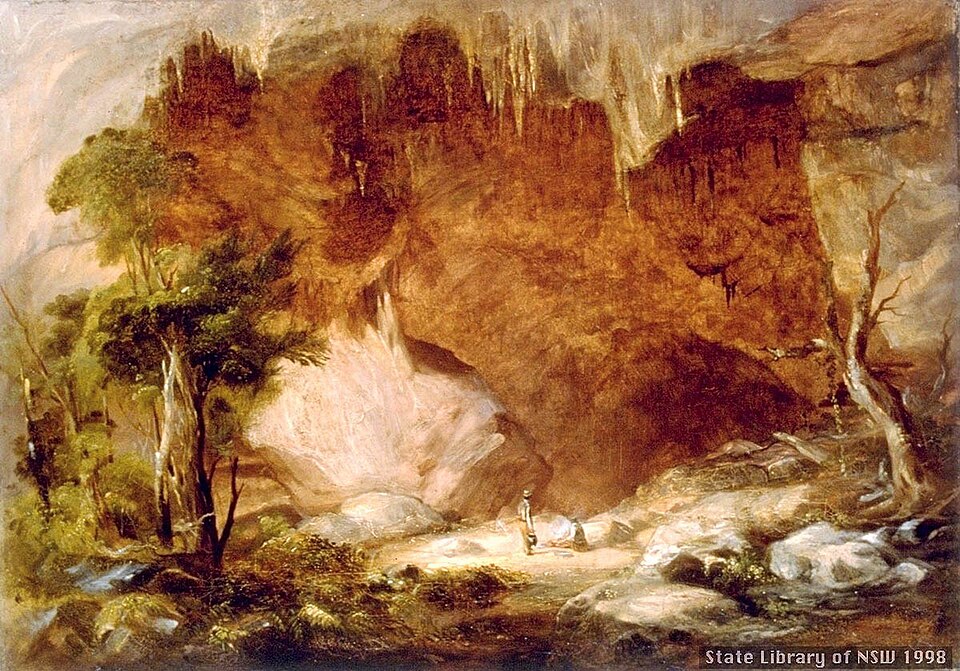

Abercrombie Caves: Burrangalong Cavern, Rockbridge Creek, 1849 / oil painting by Conrad Martens

⬅ See all events from 2 November

Spread the word on your favourite platform!

1830: Cornered at Abercrombie Caves: Ten Ribbon Gang Bushrangers Sentenced to Death at Bathurst

Ralph Entwistle was an escaped convict who had been publicly flogged on the orders of Bathurst magistrate Thomas Evernden after being spotted bathing in the Macquarie River by the Governor's travelling party. Within a year he had turned bushranger, gathering escaped convicts into a band that grew to as many as eighty men, the largest convict uprising since Castle Hill, known as the Ribbon Gang for the white streamers Entwistle wore in his hair.

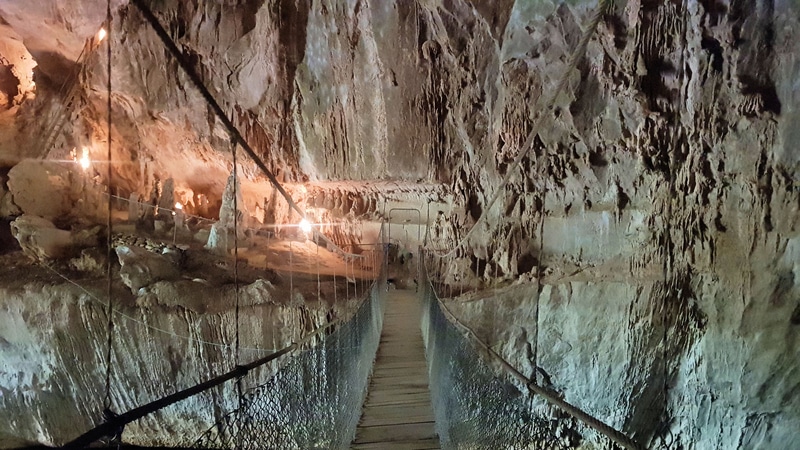
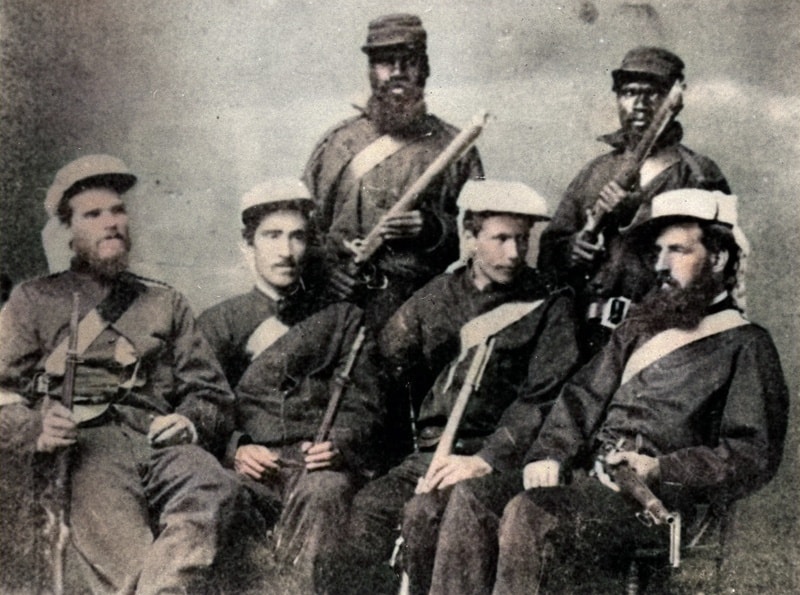
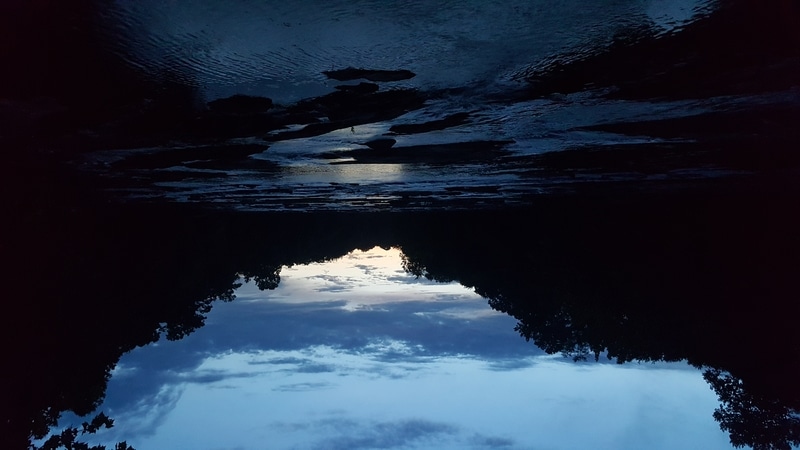
The gang's campaign turned deadly when overseer James Greenwood refused to let them recruit his master's men, baring his chest and daring them to shoot. They did. Troopers and armed volunteers, guided by two Aboriginal trackers, finally cornered the remaining bushrangers at the Abercrombie Caves, where a gunfight lasting hours forced the survivors onto a nearby hilltop before reinforcements ran the exhausted gang down.

On 30 October 1830, ten captured bushrangers faced trial at Bathurst before a jury of military officers. The court convicted six, including Entwistle, of Greenwood's murder, and four others of plundering farmhouses, sentencing all ten to death.

Suspension bridge over underground lake at Abercrombie Caves

⬅ See all events from 30 October

Spread the word on your favourite platform!

1826: The Informer Who Refused to Kill: Two Bushrangers Hanged Near Sydney

Patrick Sullivan and James Moran led a gang of bushrangers who terrorised the Bathurst district through 1826, raiding stations and homes for firearms, horses and supplies. When Sullivan ordered a gang member to murder a stockman in cold blood, the man balked, slipped away in the dark and turned himself in, giving evidence that broke the gang apart.

Tried before the Sydney Criminal Court, Sullivan and Moran pleaded guilty to burglary and horse theft and were sentenced to death. They were hanged at Irish Town on the Liverpool Road, near present-day Bankstown, on 18 October 1826, two days after their accomplices were. Their bodies were left suspended for the rest of the day as a warning to others.

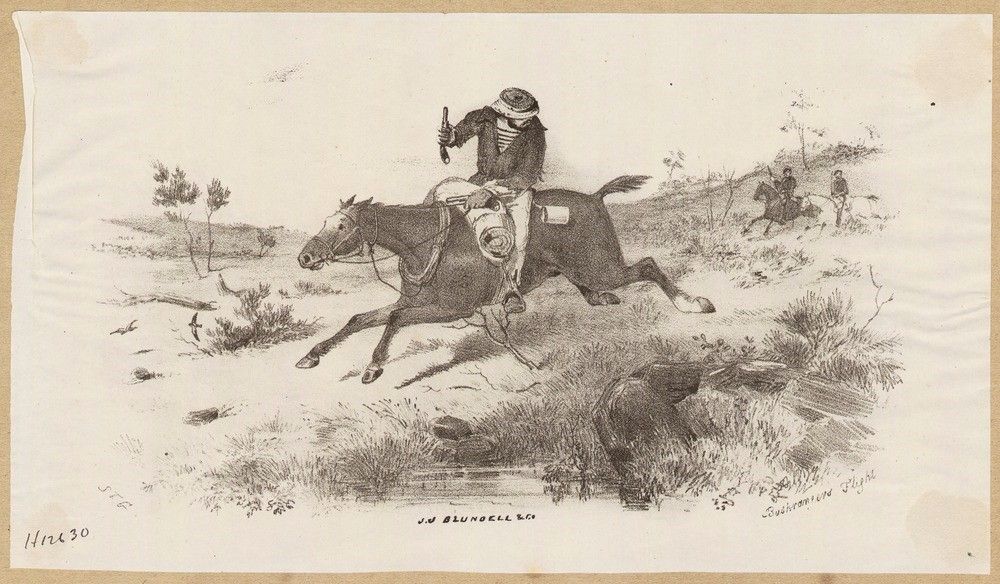
Bushrangers flight scene from 1856 illustration

⬅ See all events from 18 October

Spread the word on your favourite platform!

1826: Sullivan Gang Bushrangers Hanged Near Parramatta, One Sobbing to the Last

Matthew Craven and Thomas Cavanagh rode with a bushranging gang led by Patrick Sullivan that terrorised stations around Bathurst for half a year, robbing homesteads, stealing horses and holding settlers at gunpoint. Captured after a shootout at a bark hut, the pair pleaded guilty at trial to burglary and theft and were sentenced to hang.

On 16 October 1826 they left Sydney Gaol with three other condemned men bound for Burwood, where they were hanged before a large crowd that morning. Straight afterwards, the two men, Craven and Cavanagh travelled further on on to the Western Road near Parramatta, arriving about noon to face their own gallows.

Witnesses said their contrition was conspicuous; Craven, described as barely twenty, reportedly hung his head and sobbed bitterly as the ropes were fitted.

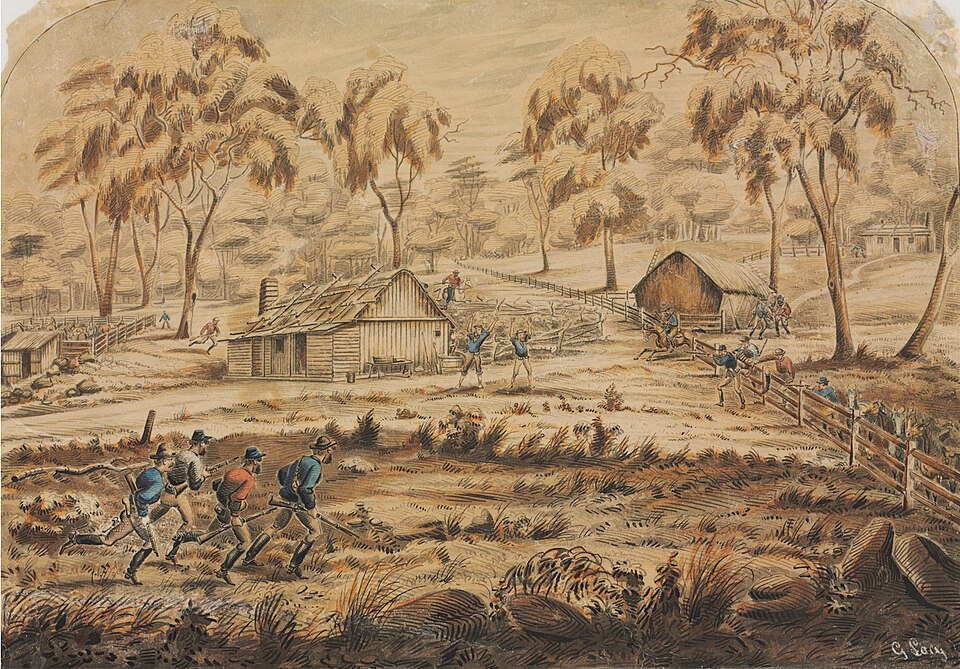
Bushrangers in action: Water colour drawing created by George Lacy 1867

⬅ See all events from 16 October

Spread the word on your favourite platform!
On This Day in True Crime History

Subscribe to Dark Stories

True crime stories, dark history and tour news, straight to your inbox.