1895: "A Feeling of Relief": Hanged in Melbourne for Drowning a Family Member

Emma Williams, a young widow living in South Melbourne, told the man she was living with that her toddler son John had become "a nuisance". One Sunday evening in August 1895, she carried him down the Port Melbourne pier, tied a stone weighing nearly 15 pounds to his frock with braid torn from her own dress, and dropped him into the lagoon.

She told her housemates she had given the boy to a Salvation Army woman, but when her lover read a newspaper report of a child's body pulled from the water and confronted her, she broke. "I have only to say: I done it," she told detectives. She described waiting half an hour by the water to see whether her son would surface, admitting she felt nothing but relief when he did not.

Williams made a full confession to police, declaring, "I will tell you everything from first to last." A jury convicted her of murder within twenty minutes, and she was hanged in Melbourne on 4 November 1895.
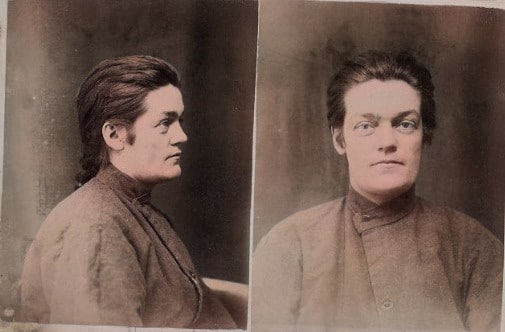

Emma Williams: Public Record Office Victoria, Central Register of Female Prisoners, VPRS 516/P0000, 5926–6415 (1891–1896)

⬅ See all events from 4 November

Spread the word on your favourite platform!

1852: Mercy Recommended, Mercy Denied: John Riches Hanged in Melbourne Over a Deadly Camp Quarrel

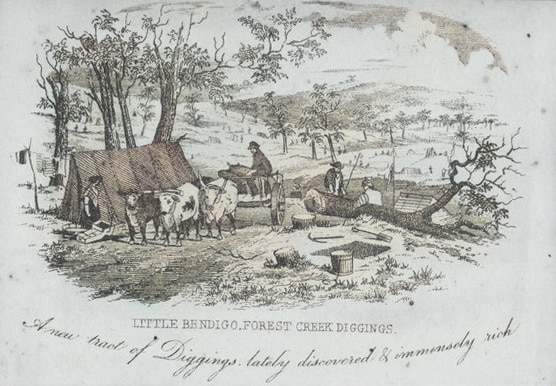
John Riches shot Harry Webb through the stomach after a drunken argument on the road to the goldfields near the town of Macedon, over who had the right to sleep under their cart. As he fell, Webb clung to a companion and gasped, "Jack done it, Jack's done, mind him, mind him, oh, my dear wife Charlotte," naming his killer with his last breath.

Riches ran but was chased down and beaten with his own gun by Webb's widow. Tried in Melbourne, he was convicted of murder, and the jury added a recommendation of mercy, then refused to explain why when the judge pressed them. The recommendation went unanswered, and Riches was hanged in Melbourne on 3 November 1852.

Sleeping under the bullock rights mattered on the Victorian Goldfields

⬅ See all events from 3 November

Spread the word on your favourite platform!

1830: Flogged for Skinny-Dipping, He Led a Bushranger Uprising That Ended With Ten Hanged at Bathurst

Ralph Entwistle was a transported labourer assigned to a farm near Bathurst when he and a fellow convict stopped to cool off in the Macquarie River after a long cart journey. Governor Ralph Darling's touring party happened to pass by, and though Darling had not even seen the incident, the local magistrate had both men flogged for the affront. Within a year the humiliated Entwistle had turned bushranger, building a band that swelled to as many as 80 men, the largest convict uprising in New South Wales since 1804, known as the Ribbon Gang for the white streamers he wore in his hair.

The rebellion turned deadly when the gang descended on a farm seeking revenge on the magistrate who had ordered the floggings. The overseer, James Greenwood, refused to free the farm's convict servants and bared his chest, daring the bushrangers to shoot, telling them they were not game enough. Entwistle and two others fired, killing him instantly.

Weeks of gun battles with troopers and soldiers followed before the gang was run down and captured. On 2 November 1830, ten of the bushrangers, including Entwistle, were publicly hanged at Bathurst, six for Greenwood's murder and four for plundering farmhouses. Their bodies were left on display for a day as a warning before being buried in two mass graves of five.

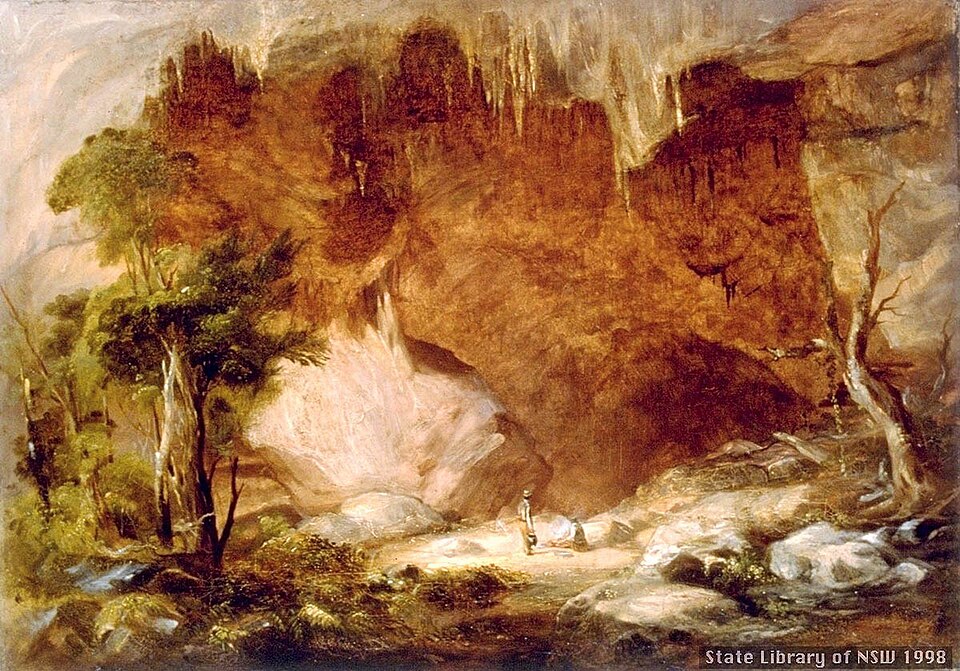
Abercrombie Caves: Burrangalong Cavern, Rockbridge Creek, 1849 / oil painting by Conrad Martens

⬅ See all events from 2 November

Spread the word on your favourite platform!

1984: The "Death Row Granny": the First Woman Executed in America Since 1962

Velma Barfield cared for the elderly and the infirm, and one by one they fell ill with the same wrenching symptoms: vomiting, diarrhoea, stomach pains that would not ease. She was dosing their food and drink with arsenic-laced rat poison, chasing insurance payouts and covering forged cheques. Her mother died of it in 1974, two elderly patients in 1977, and finally her boyfriend Stuart Taylor in 1978, even as Barfield nursed him through his final days. She confessed to six murders but was tried and convicted of only one.

On death row she became a devout Christian, ministering to fellow inmates, and her lawyers argued for clemency on the strength of it. A second defence claimed she suffered a split personality named "Billy," who insisted he alone had killed her abusers; the judge was unmoved, reportedly saying, "One of them did it, I don't care which one." North Carolina's governor refused clemency, and on this day in 1984 Barfield was executed by lethal injection, the first woman put to death in the United States since 1962 and the first ever killed by that method.

She abandoned her final appeals, wanting to "die with dignity," and left a statement before her death: "I am sorry, and I want to thank everybody who have been supporting me all these six years."

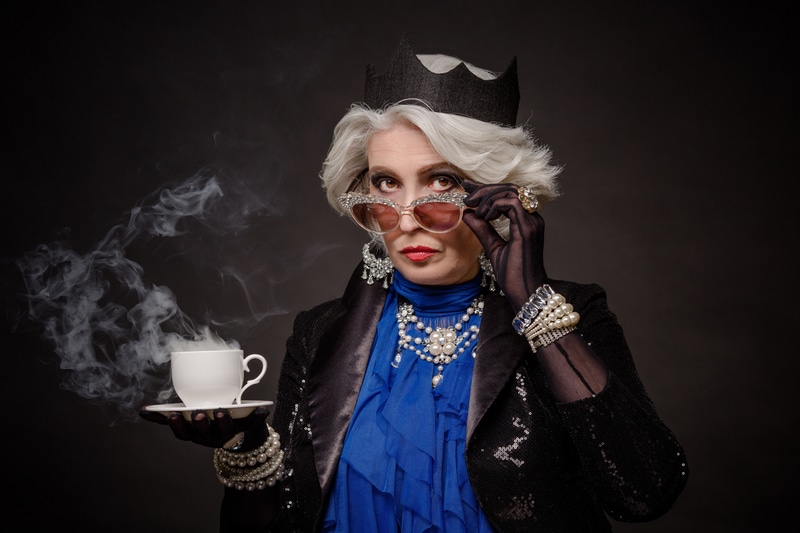
Would you like sugar or rat poison in your tea?

⬅ See all events from 2 November

Spread the word on your favourite platform!
On This Day in True Crime History

Subscribe to Dark Stories

True crime stories, dark history and tour news, straight to your inbox.