1804: He Chose a Stranger for His Last Goodbye: Hanged in Sydney for Assault

John Green, who said he had been born in Pennsylvania, committed an assault in the bush near Parramatta, then fled armed with an axe. Settlers, soldiers and the colony's newly formed police association scoured the countryside for days until a soldier levelled a pistol at him and forced his surrender.

Tried and convicted in Sydney, Green was hanged on this day in 1804. Standing on the scaffold, he picked a young man out of the watching crowd, called him forward by name, and asked to embrace him one last time before the trapdoor fell.

He had denied the charge outright in court, but on the morning of his execution he wept, expressed deep remorse, and admitted he had earlier been convicted in Great Britain and transported to the colony aboard the Coromandel.
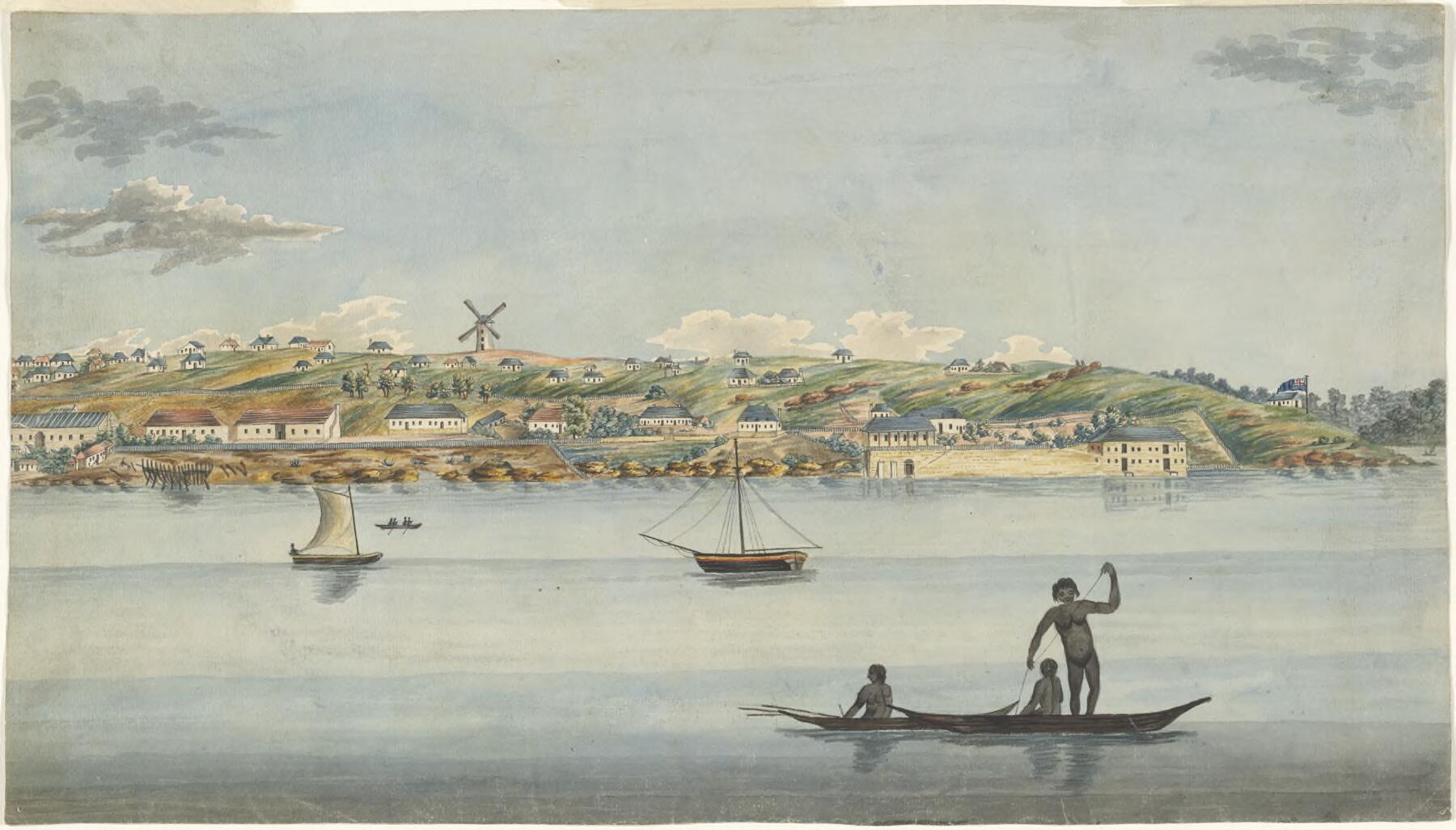
Sydney 1804 - Year of the Execution | National Library of Australia
National Library of Australia

⬅ See all events from 21 November

Spread the word on your favourite platform!

1859: "Did I not get out of it well?": The Boast That Hanged a Miner in Melbourne

Henry Brown, who had escaped slavery in the United States, worked as a miner on the Victorian goldfields near Wedderburn, where he and George Tickner were mates until an affair with Tickner's wife, which produced a child, drove them apart. The two reconciled and went back to mining together, and on 25 March 1859 Brown raised the alarm that Tickner had been buried alive in a collapsed drive.

The scene did not add up. Pick marks scored the roof of the drive as though earth had been deliberately brought down on Tickner after a blow above the eye had stunned him, and a witness recalled seeing Brown peer into the hole, then glance around to check if he was being watched, before he called for help. At the inquest, when a juror told him he could not pity a man who would do "so black a deed", Brown simply nodded at the open verdict and asked, "did I not get out of it well?" Convicted of wilful murder, he was hanged in Melbourne on 21 November 1859.

On the eve of his execution he confessed to his ministers that he had dashed a stone at Tickner's head during a renewed quarrel over the affair, then buried the body in panic, insisting to the end that the killing had been without malice.

Did not get out of it so well.

⬅ See all events from 21 November

Spread the word on your favourite platform!

1870: An Axe Murder at Springsure: Donald Ross Hanged While His Lover Walked Free

Donald Ross lodged with teamster George Rose and his wife Sarah Burgess Rose in a hut near Springsure, growing recklessly close to her while she lay confined with a new baby. When poison meant for killing native dogs failed to finish off her husband, Ross took an axe to Rose as he slept on 3 March 1870, nearly severing his head, then hid the body down a well and let suspicion fall on an innocent Chinese lodger who had simply left town that week.

Tried together in Rockhampton, the pair faced the same evidence, yet the jury acquitted Sarah Rose and convicted only Ross. He was hanged there on this day in 1870, while the woman he had killed for walked free.

Days before his execution, Ross confessed in full, clearing the man he had let suspicion fall on and admitting he alone, not Sarah, had poisoned the gruel. "I make this confession to warn every one from undue familiarity with other men's wives and all such sins," he wrote.

Gold miners outside a bark hut, Queensland, ca. 1870: State Library of QLD

⬅ See all events from 21 November

Spread the word on your favourite platform!

1898: A False Name Could Not Save Him: Alfred Archer Hanged in Melbourne for Murdering His Camp Mate

Alfred Archer and his mate William Matthews had camped together for weeks near the Victorian town of Strathmerton when Matthews vanished that September; his body turned up sewn into sacks in a creek, his skull fractured and his throat cut. Archer fled to Melbourne and gave a false name, but a landlady who had put him up days earlier recognised him on sight. Confronted, he flung off his coat and blurted out, "I am Fred Archer. I admit selling the horse and cart, but I deny the rest."

At trial, a pickaxe was found to match the fracture in Matthews's skull and a knife from the camp fitted the wounds to his throat. Archer was convicted and hanged in Melbourne on 21 November 1898.

Though he had pleaded not guilty throughout, Archer had secretly confessed to the murder before his trial even began, a fact kept hidden until after his death; he admitted waiting until Matthews fell asleep before striking him with the pickaxe for the few pounds he carried, then cutting his throat to be certain. On the scaffold he thanked his gaolers, saying he was "prepared to meet my God."

Murdered his Mate: VPRS 515/P0000, PROV.

⬅ See all events from 21 November

Spread the word on your favourite platform!
On This Day in True Crime History

Subscribe to Dark Stories

True crime stories, dark history and tour news, straight to your inbox.