1990: The Wrong Man Was Executed While the Real Rostov Ripper Kept Killing

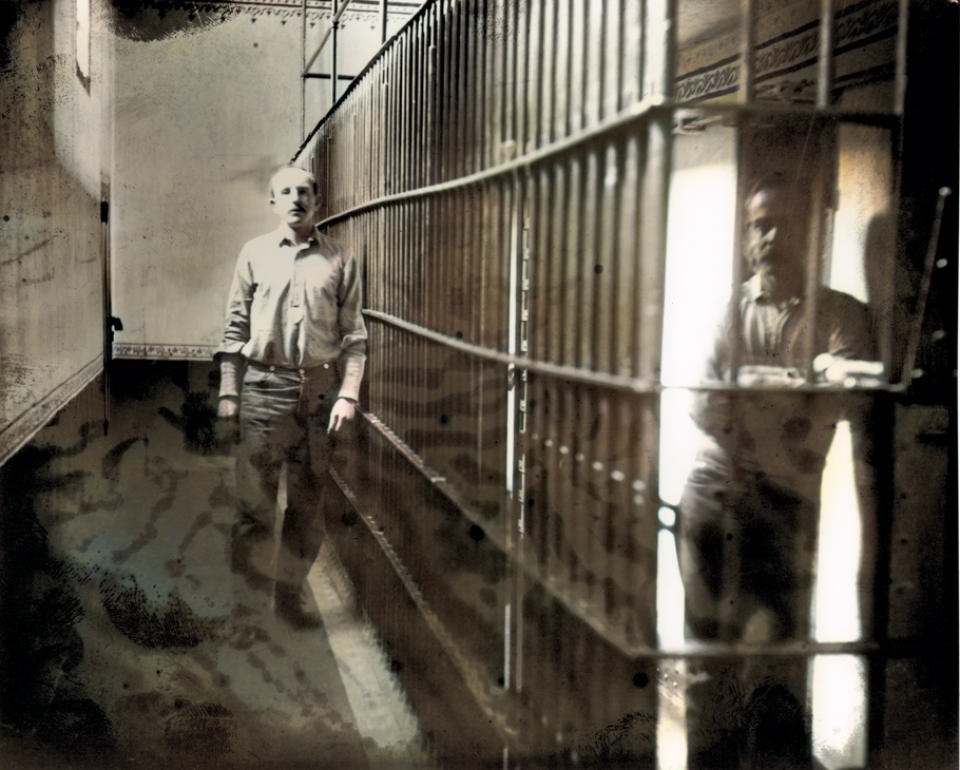
Andrei Chikatilo murdered women and children across southern Russia for years before anyone connected the killings to one man. Early in his spree, Soviet police tortured a false confession out of an innocent suspect for one of the murders; that man was tried, convicted and executed while Chikatilo remained free to kill again and again.

He was finally caught on this day in 1990, arrested near a forest where he had been seen approaching a young woman. Investigators eventually linked him to 56 victims, a toll made possible, in part, by the officials who had already closed one of his cases with the wrong man's death.

Chikatilo was tried and sentenced to death. He showed no remorse at trial, at one point demanding to know why he was in a cage like a beast.
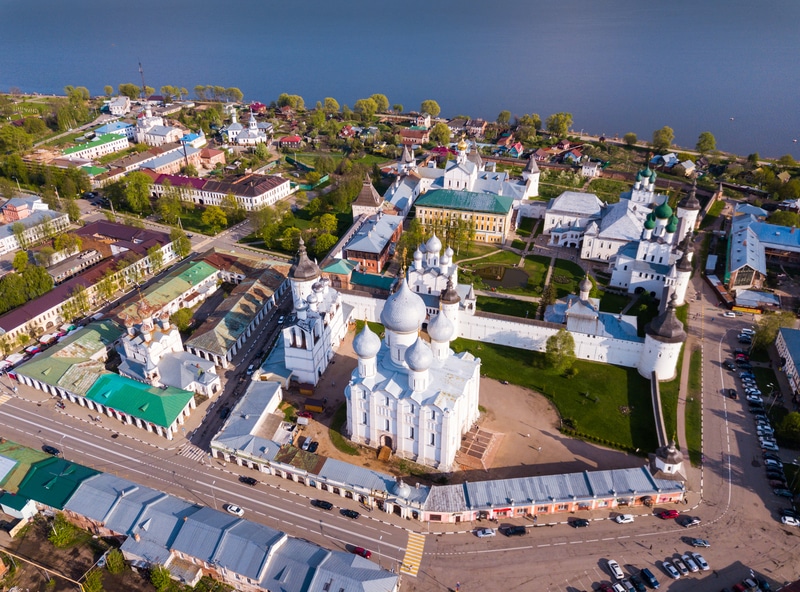

Aerial view of Rostov Ripper's Hometown

⬅ See all events from 20 November

Spread the word on your favourite platform!

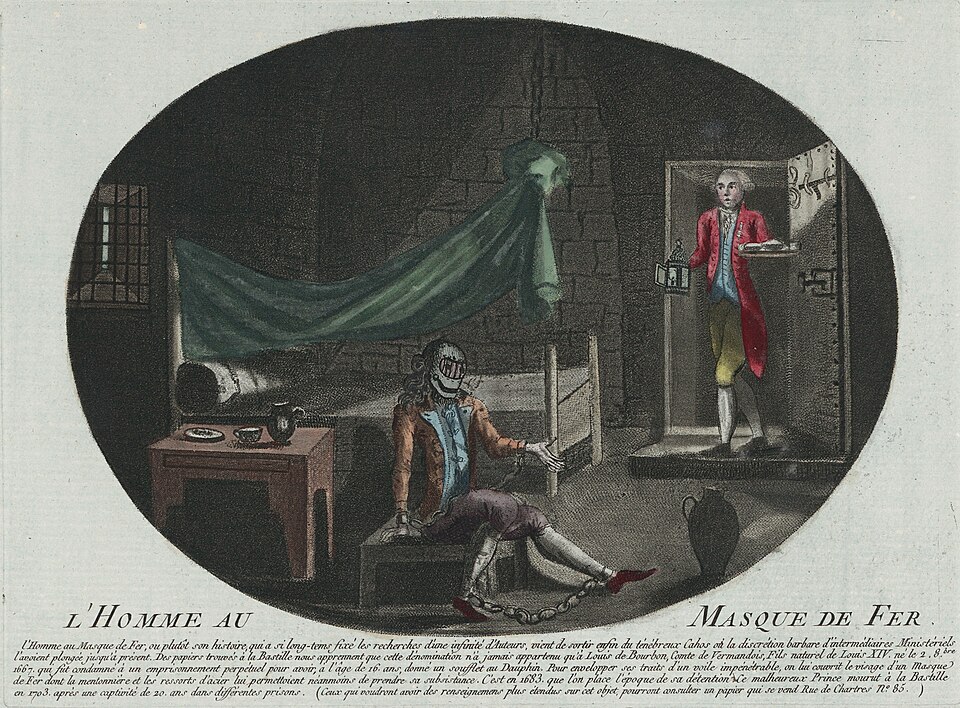
1703: The Man in the Iron Mask Dies in the Bastille, His True Identity a Secret That Still Endures

Known to history only as the man in the iron mask, he was arrested near Calais in 1669 under the invented name Eustache Dauger, and spent the next thirty four years moving through a chain of French prisons, ending in the Bastille. His jailer was ordered to see him only once a day, and the prisoner was warned that if he ever spoke of his past he would be killed; officials described him flatly as "only a valet", a label that only sharpened the mystery around him. The mask itself, a covering of black velvet rather than iron, was required only on his transfers between prisons and his final walks to prayer.

He died in the Bastille on this day in 1703, still unidentified. His burial certificate carried the false name Marchioly, a detail that has fuelled more than two centuries of speculation, from Voltaire's claim that he was an illegitimate brother of Louis XIV to theories casting him as the king's own twin. No one has ever proven who he truly was.

The Man in the Iron Mask

⬅ See all events from 19 November

Spread the word on your favourite platform!

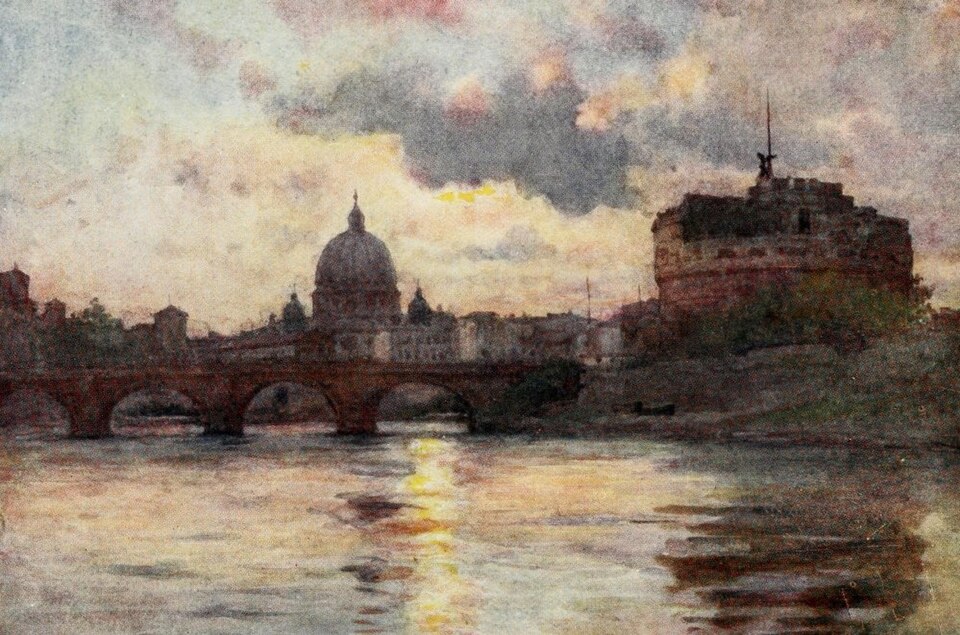
1906: Nobody Was Hurt, So the Pope Prayed for Mercy for the Bomber Who Struck St. Peter's Basilica

A homemade bomb, wrapped in newspaper and green leaves to look harmless, exploded beside the High Altar during a crowded service at St. Peter's Basilica in Rome on this day in 1906. The tin case packed with gunpowder and nails sent worshippers stampeding for the doors through smoke and the stench of burnt powder, yet by chance nobody was hurt and the ancient building escaped unmarked.

Investigators found the device had been fitted with a long fuse, giving the bomber time to slip away unnoticed before it went off. Italian authorities offered a reward for information, but it was the Pope's response that stunned observers most: on hearing the Basilica was safe, he fell to his knees and begged mercy, not punishment, for whoever had planted the bomb.

St Peters & Castel Sant Angelo by Alberto Pisa (1905)

⬅ See all events from 18 November

Spread the word on your favourite platform!

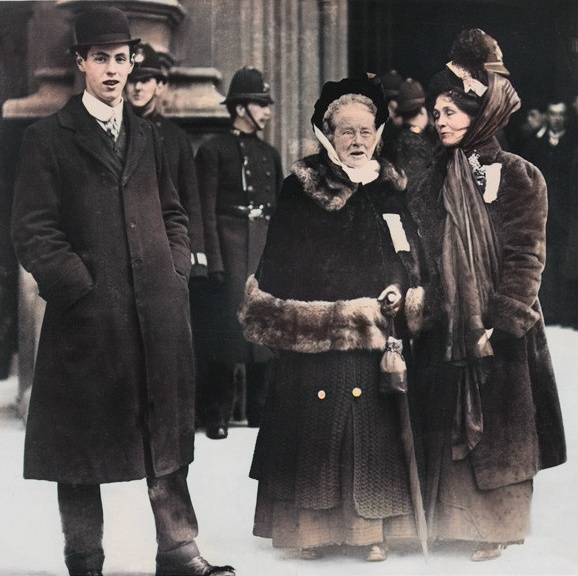
1910: Black Friday: Police Assaulted a Disabled Suffragette and Stole the Wheels From Her Wheelchair

Three hundred suffragettes marched from Caxton Hall to the Houses of Parliament in London on this day in 1910, after Prime Minister H. H. Asquith reneged on a promise to give parliamentary time to a bill granting women the vote. Waiting for them were lines of police, reinforced that day by officers with no experience of the movement, and crowds of male bystanders.

For six hours the women were beaten, groped and hurled into the crowd to be assaulted again. Rosa May Billinghurst, a suffragette who campaigned from a wheelchair, was pushed down a side street, assaulted and left stranded after police stole the valves from her wheels.

Four men and 115 women were arrested, but by the next morning every charge had been dropped on the orders of Home Secretary Winston Churchill, who also refused to investigate the violence. The day became known as Black Friday, a turning point that pushed the suffragettes back toward stone-throwing and window-smashing, tactics that at least let them escape before police could close in.

Elizabeth Garrett Anderson; Emmeline Pankhurst outside Parliament on Black Friday

⬅ See all events from 18 November

Spread the word on your favourite platform!
On This Day in True Crime History

Subscribe to Dark Stories

True crime stories, dark history and tour news, straight to your inbox.