1618: A Sharp Medicine for All Diseases: the Execution of Sir Walter Raleigh

Sir Walter Raleigh had already cheated the executioner once. Convicted of treason within months of Queen Elizabeth's death, after rivals whispered that he had opposed the accession of King James, he was spared at the last moment and spent thirteen years locked in the Tower of London instead.

Released in 1616 to hunt for gold in Guiana, Raleigh promised the voyage would bring no trouble with Spain. It did: his men attacked a Spanish outpost against direct orders, the expedition found no gold, and Raleigh came home to a king eager to please Madrid and an old death sentence still on the books. It was carried out in London on 29 October 1618.

On the scaffold he asked to examine the axe himself, running a thumb along the blade before remarking, "This is a sharp medicine, but it is a physician that will cure all diseases."
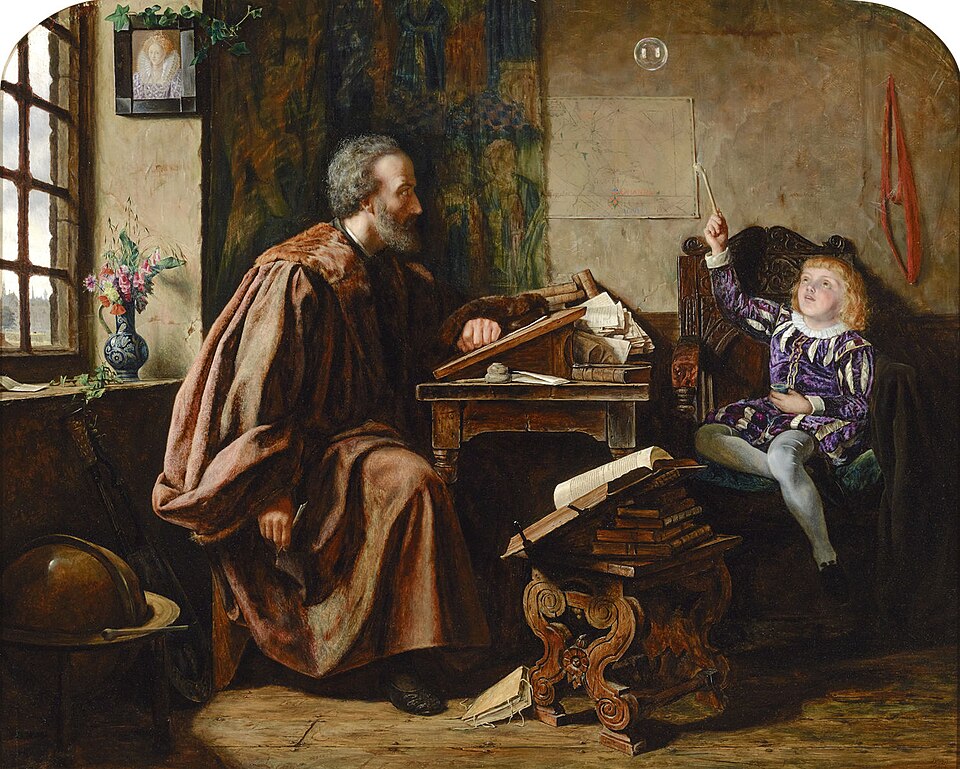

Sir Walter Raleigh imprisoned in the Tower of London by Henry Wallis

⬅ See all events from 29 October

Spread the word on your favourite platform!

1807: Aaron Burr on Trial for Plotting the Secession of New England

Aaron Burr, former Vice President of the United States, stood trial beginning 3 August 1807, accused of conspiring to engineer the secession of New England and carve out an independent empire in the American west. The charges grew from years of suspicion surrounding his political ambitions and alleged dealings with foreign powers after his catastrophic fall from grace following the fatal duel with Alexander Hamilton in 1804.

The trial, presided over by Chief Justice John Marshall in Richmond, Virginia, became one of the most closely watched legal proceedings in early American history. Burr was ultimately acquitted on the treason charge, Marshall ruling that the prosecution had failed to prove an overt act of treason as required by the Constitution.

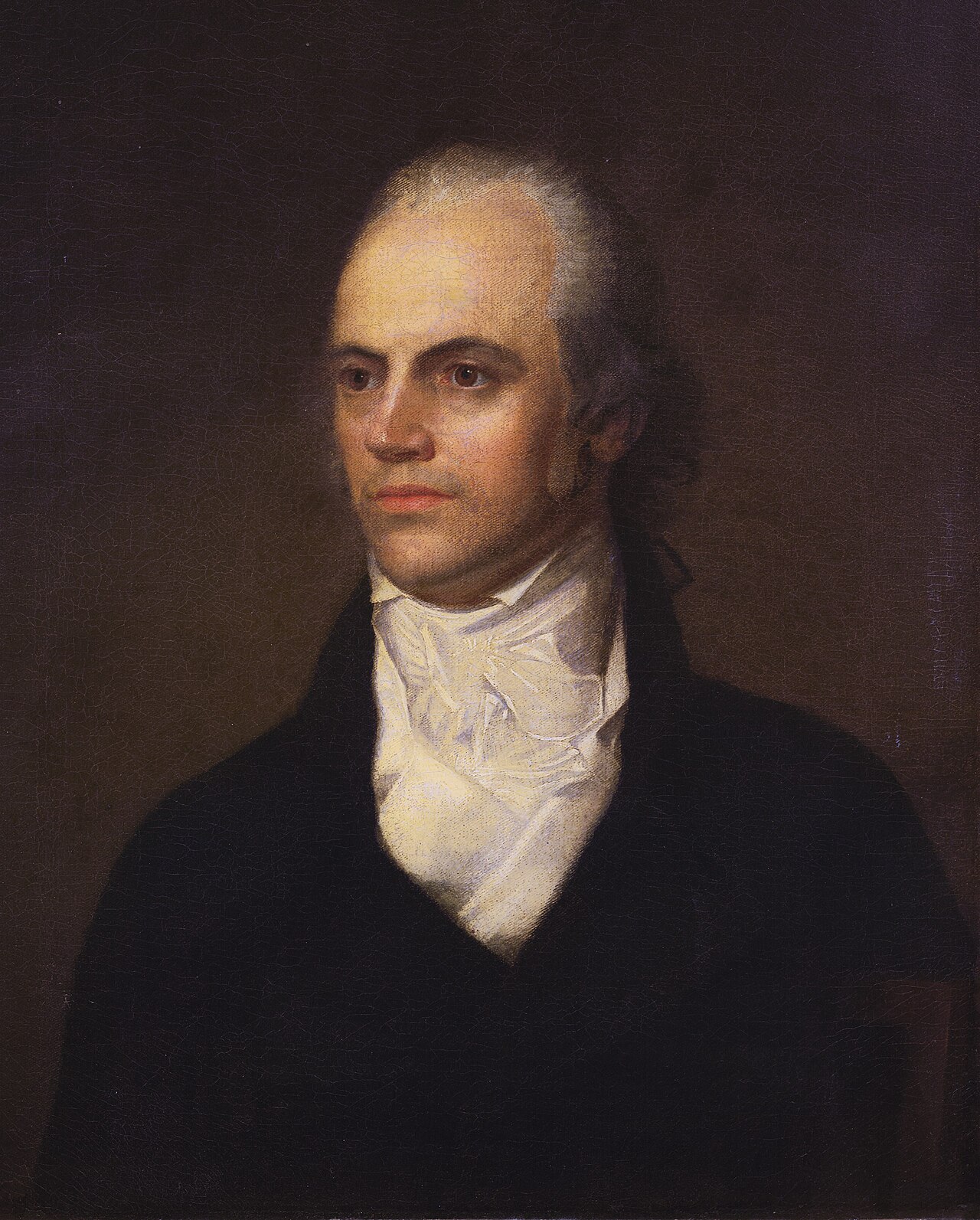
1803 Painting of Aaron Burr

⬅ See all events from 3 August

Spread the word on your favourite platform!

1916: Knighted Diplomat Hanged for Treason After Failed Easter Rising Mission

Sir Roger Casement, the British consul who had been honoured for exposing colonial atrocities in the Congo and Peru, was hanged at Pentonville Prison in London on 3 August 1916. Once celebrated as the 'father of twentieth-century human rights investigations', he had spent the war years seeking German military support for the Easter Rising before being arrested on the Kerry coast just days before the uprising began.

Stripped of his knighthood, he was tried and convicted of high treason. During and after the trial, British intelligence circulated typescripts of private journals, said to be in Casement's hand, that detailed homosexual activity. The material, illegal under the laws of the time, was used to undermine calls for clemency. He was executed at 49, and the authenticity of those diaries has been disputed by scholars ever since.

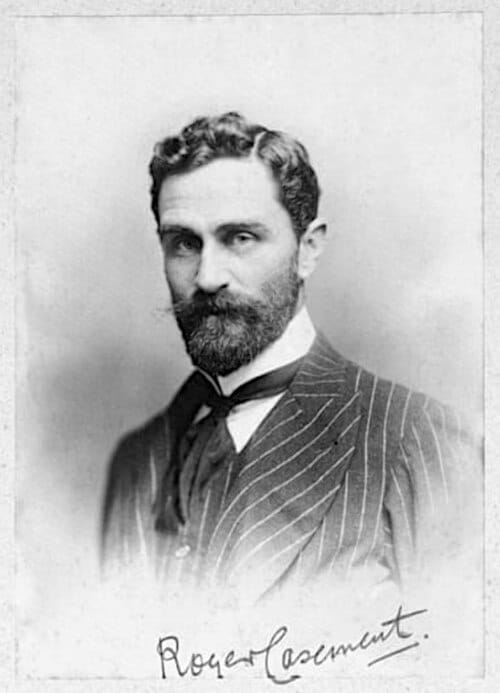
Portrait of Sir Roger Casement in formal attire

⬅ See all events from 3 August

Spread the word on your favourite platform!
On This Day in True Crime History

Subscribe to Dark Stories

True crime stories, dark history and tour news, straight to your inbox.