1816: He Hid the Stolen Goods in His Own Well: a Blacksmith Hanged in Sydney for Burglary

James Flavell was a blacksmith with a once-thriving trade in Castlereagh Street, next door to a hairdresser named Thomas Reeds. One night that June, Flavell, his servant William Tripp and his apprentice broke through the brick wall between the two houses, stripped Reeds of his clothing and valuables, and hid part of the loot, along with their housebreaking tools, down Flavell's own well. The rest was buried near Farm Cove, and Flavell took his apprentice to a neighbour's house afterwards to build himself an alibi.

The scheme unravelled when an accomplice turned Crown witness, and when the apprentice later found a silk handkerchief floating in the well and was told by his master to lie about where he had found it. Flavell and Tripp were convicted of burglary and hanged in Sydney on 15 November 1816, alongside a third man executed for cattle theft.

According to the newspaper report, the condemned men conducted themselves in their final moments in a becoming manner and died penitently.
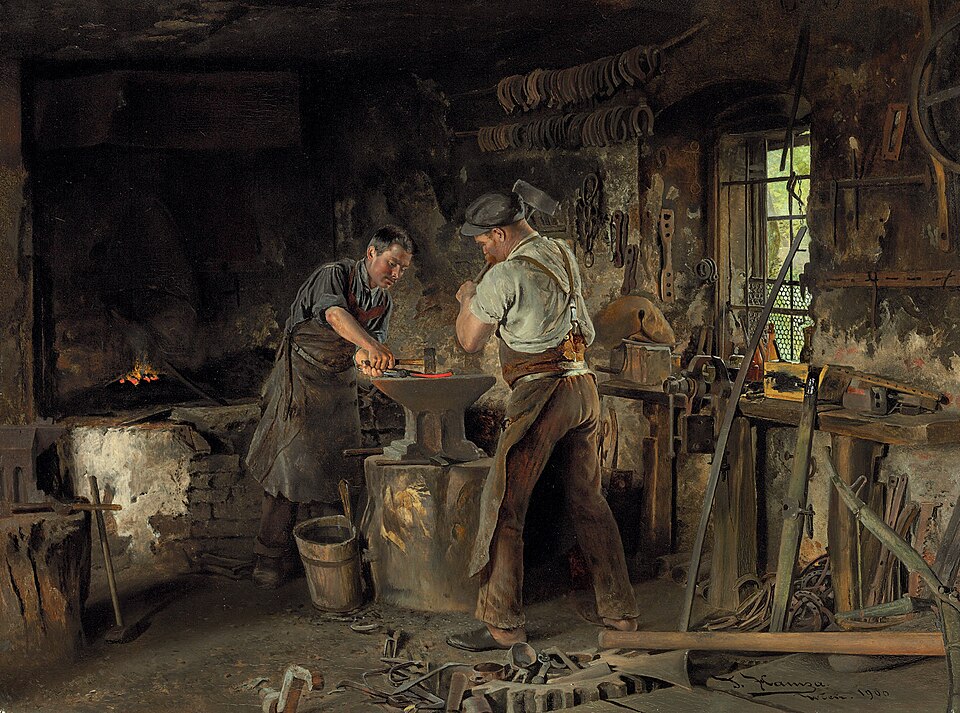

The Blacksmith's Forge: by Johann Hamza

⬅ See all events from 15 November

Spread the word on your favourite platform!

1816: One Stolen Bullock, a Capital Sentence: Hanged in Sydney as Cattle Theft Spiked

John Palmer was convicted of stealing a single bullock belonging to Captain Bunker, a crime that in most times might have drawn a lighter sentence. But cattle theft had, in the words of the court, "so alarmingly increased" across the colony that authorities decided an example had to be made, and the circumstances of his offence were judged especially aggravated.

He was sentenced to death and hanged in Sydney on 15 November 1816, alongside two other men executed that same day for burglary. The judge advocate told the condemned men plainly that the colony's interests demanded their punishment serve as a deterrent to others.

According to reports, the condemned men conducted themselves in their final moments "in a becoming manner, and died penitently."

Bullock Drays by S. T. Gill. State Library of NSW

⬅ See all events from 15 November

Spread the word on your favourite platform!

1854: A Poisoned Kettle and a Child Who Saw It All: Hanged at Geelong for Attempted Murder by Arsenic

George Roberts worked alongside fellow shepherd George Kelly on a sheep station near Geelong, and had quietly been stealing from him, cash, clothing, even a small box of gold, when Kelly began asking questions. That August, Kelly found his breakfast tea emptied from the kettle and refilled with what looked like plain water; one mouthful burned his throat like fire and he collapsed before he could reach help.

A nine-year-old boy told the court he had watched Roberts stir a white powder into the kettle before setting it back on the fire, and investigators later found a box of arsenic, the very one stolen from Kelly, hidden under Roberts's bed. Convicted of attempting to murder his workmate, Roberts was sentenced to hang.

On 9 November 1854, Roberts was hanged at Geelong alongside another man condemned for murder, in the first public execution ever carried out in the city, before a crowd of some two thousand onlookers.

Roberts went to the gallows having confessed his guilt and the justice of his sentence.

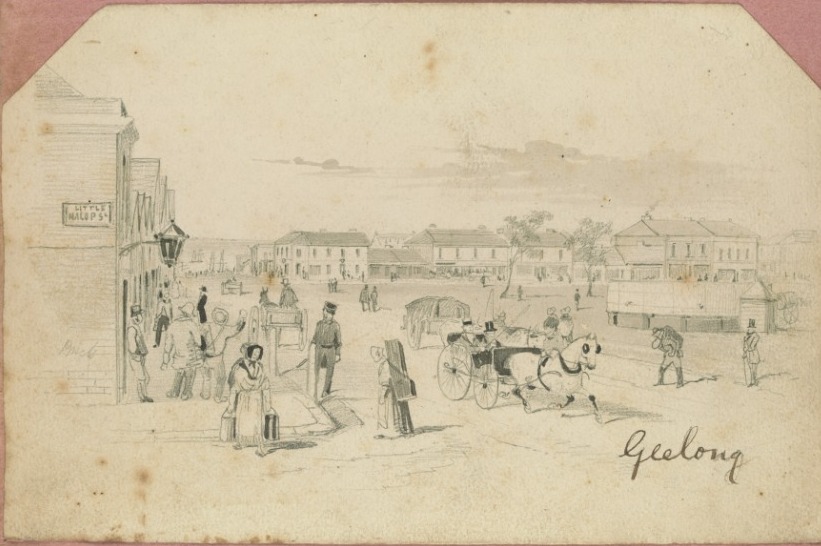
Geelong, 1855. S. T. Gill (1818–1880), pencil, pen and ink drawing of Little Malop Street. State Library Victoria, H90.91/462

⬅ See all events from 9 November

Spread the word on your favourite platform!

1789: The French State Seizes the Wealth of the Catholic Church

Revolutionary France did not just curb the power of the church, it stripped it bare. On this day in 1789, the National Assembly voted to confiscate all church property across the country: land, monasteries, cathedrals, religious artworks and sacred valuables, declaring it all now belonged to the nation.

The seized wealth was converted into assignats, paper currency issued against the value of the stolen assets, to drag the state out of crushing debt and fund the revolution itself. It was an audacious act of theft dressed as reform, one that permanently broke the financial independence of the Catholic Church in France and set the stage for the brutal persecution of clergy that followed in the years ahead.

This Day in True Crime History

⬅ See all events from 2 November

Spread the word on your favourite platform!
On This Day in True Crime History

Subscribe to Dark Stories

True crime stories, dark history and tour news, straight to your inbox.