1792: Sydney’s First Grave: The Convict Buried Beneath What Is Now the Town Hall

When Governor Phillip and the Reverend Richard Johnson chose a quiet spot on the outskirts of town for a burial ground in September 1792, the first person laid to rest there is believed to have been a convict named Michael Dunn. The site, later known as the Old Sydney Burial Ground or the George Street Burial Ground, now lies beneath Sydney Town Hall.

For 27 years the cemetery operated with almost no formal oversight: it was never gazetted, no trustees were appointed and no burial register or plan was kept. The Reverend William Cowper later admitted that “the dead of all communions were interred indiscriminately”, though social distinctions persisted among the military, with non-commissioned officers of different regiments buried in separate corners of the ground.

Once the cemetery closed in 1820 and burials moved to Brickfield Hill, now the site of Central railway station, the old ground fell into grim disrepair. Headstones were vandalised, pigs, goats and horses wandered among open graves, and grave robbers were blamed for prising up leaden coffins. A committee report even noted men using the abandoned cemetery to relieve themselves, and in hot weather the stench became unbearable.

Despite public opposition to disturbing the dead, the City of Sydney eventually cleared the site to build its Town Hall, ending nearly a century of neglect over the city’s first burial ground.
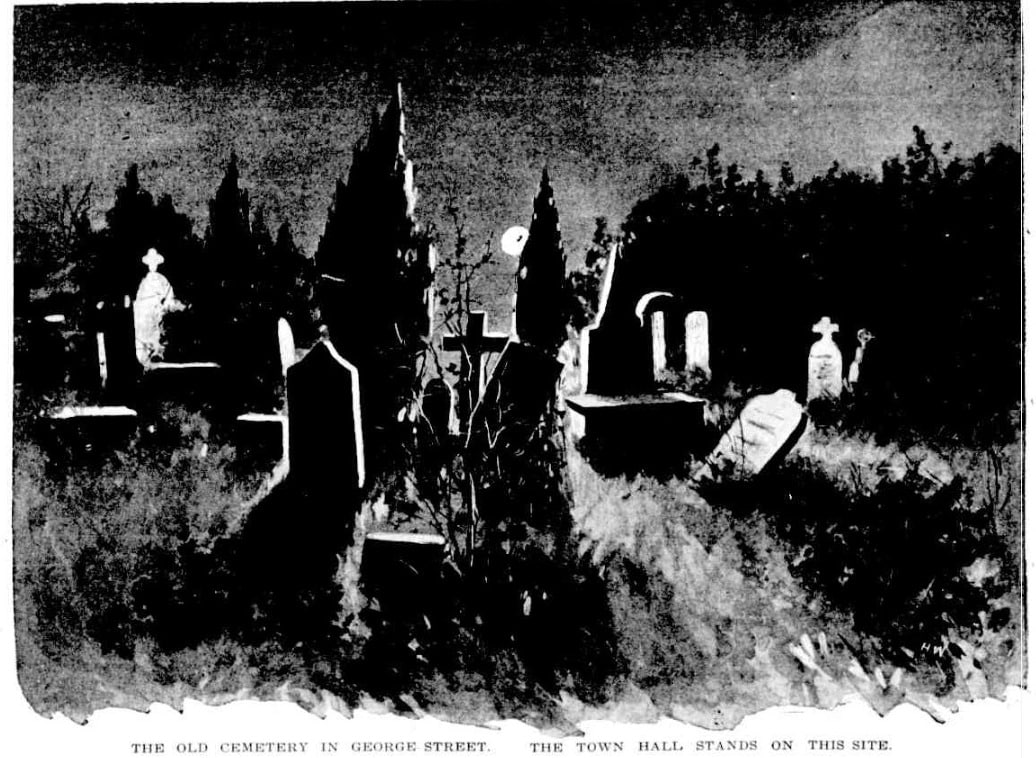

Old Sydney burial ground historic cemetery illustration

⬅ See all events from 8 September

Spread the word on your favourite platform!

1877: Martin Cash, the Bushranger Who Cheated the Gallows, Dies at His Farm

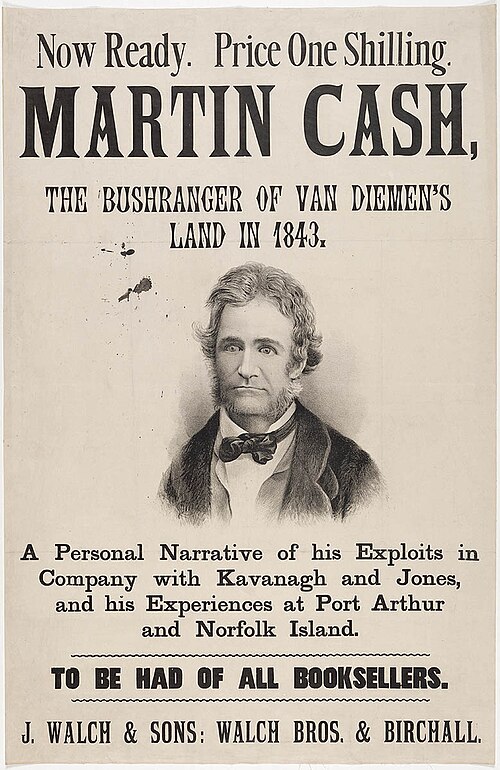
Martin Cash, Irish-born convict and bushranger, died on 26 August 1877 at his farm cottage in Glenorchy, Tasmania, aged 68. Twice he escaped from the supposedly escape-proof Port Arthur penal colony, the second time by swimming the shark-infested waters. On Boxing Day 1842, Cash and two companions absconded from a work party and launched an eight-month bushranging spree across Van Diemen’s Land, robbing mail coaches and homesteads before his eventual recapture. His 1870 autobiography, The Adventures of Martin Cash, ghostwritten by a fellow former convict, became a bestseller. He was one of the few bushrangers of his era to die of natural causes, cheating the gallows.

Martin Cash Author: The Bushranger of Van Diemen's Land in 1843
Martin Cash Author: The Bushranger of Van Diemen’s Land in 1843

⬅ See all events from 26 August

Spread the word on your favourite platform!

1900: The Last Escape of Moondyne Joe, Western Australia's Most Famous Bushranger

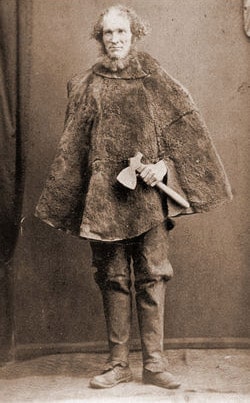
Joseph Bolitho Johns, born in Wales around 1826 and transported to Fremantle in 1853 as convict 1790, became the most celebrated escape artist in Western Australian history. Known as Moondyne Joe, the Cornish-Welsh convict turned bushranger broke out of custody so many times that his repeated escapes became legend.

He made his final escape on 13 August 1900, dying at the Fremantle Lunatic Asylum after years of confinement and declining health. He was buried two days later in a pauper’s grave at Fremantle Cemetery.

moondyne joe
Moondyne Joe – Perennial Escapee

⬅ See all events from 13 August

Spread the word on your favourite platform!

1796: First Fleet Convict John Finlow Hanged in Sydney for Murder

John Fendlow (c.1768-1796), a tinsmith convicted at the Old Bailey in 1783 for highway robbery, arrived in Sydney with the First Fleet in January 1788. After time on Norfolk Island, he received a 30-acre land grant at Mulgrave Place in November 1794 and worked as a settler in the Hawkesbury region with his partner Eleanor Byrnes.

On 4 July 1796, Fendlow shot dead his servant David Lane after Lane attempted to assault Byrnes. Byrnes testified that all three had been drinking on a boat that evening, and that Lane had come after her in the house. Fendlow was hanged in Sydney on 8 August 1796.

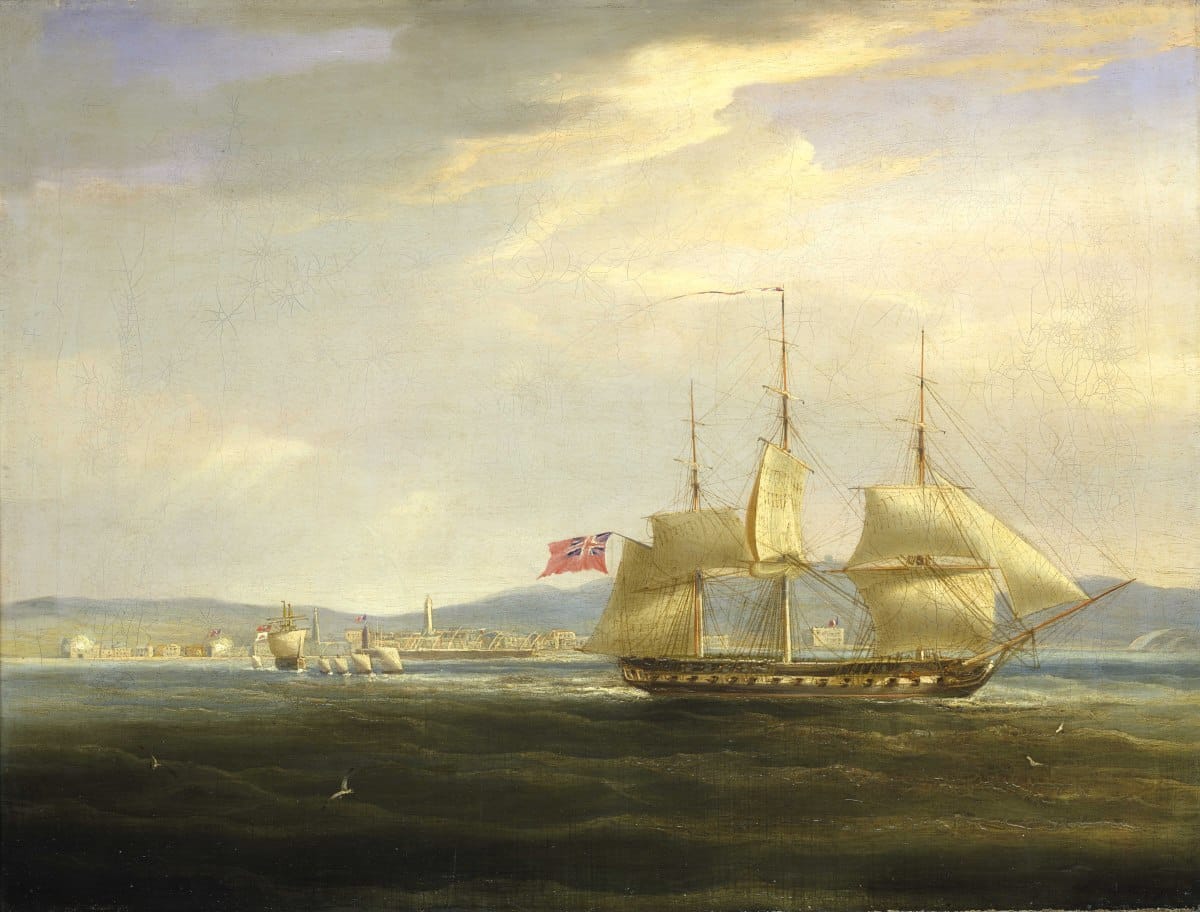
HMS Mercury after 1809. By William Huggins. National Maritime Museum, Greenwich, London

⬅ See all events from 8 August

Spread the word on your favourite platform!
On This Day in True Crime History
1891·The Mace, the Madam, and a Melbourne Scandal That Never Died
1959·Through a Chapel Ventilator: the Sydney Jailbreak That Triggered Australia's Biggest Manhunt
More Crime On This Day →

Subscribe to Dark Stories

True crime stories, dark history and tour news, straight to your inbox.