2001: "I Will Never Die": Mona Fandey Hanged for the Ritual Murder of a Malaysian Politician

Mona Fandey's pop career never took off, so she and her husband reinvented themselves as sought after bomohs, trading in talismans and black magic for wealthy clients chasing power. In 1993 a state politician named Mazlan Idris paid them a fortune for a talisman said to once belong to an Indonesian president, convinced it would carry him to higher office. Instead he was led to a house for a ritual cleansing, told to lie down and wait for a mysterious voice to speak, and never left alive.

Their assistant admitted striking the fatal blow with an axe, claiming he was following orders. Mazlan's body was cut into eighteen pieces and buried under cement, while Mona spent the following days on a cash fuelled shopping spree, a new Mercedes among the purchases. At trial she arrived each day in bright, theatrical outfits, smiling for photographers as though finally enjoying the fame her singing career never gave her. All three were convicted and sentenced to death.

Mona, her husband and their assistant were hanged together at Kajang Prison near Kuala Lumpur on this day in 2001. Prison officials said the trio showed no remorse, and Mona reportedly smiled on the gallows and declared, "I will never die."
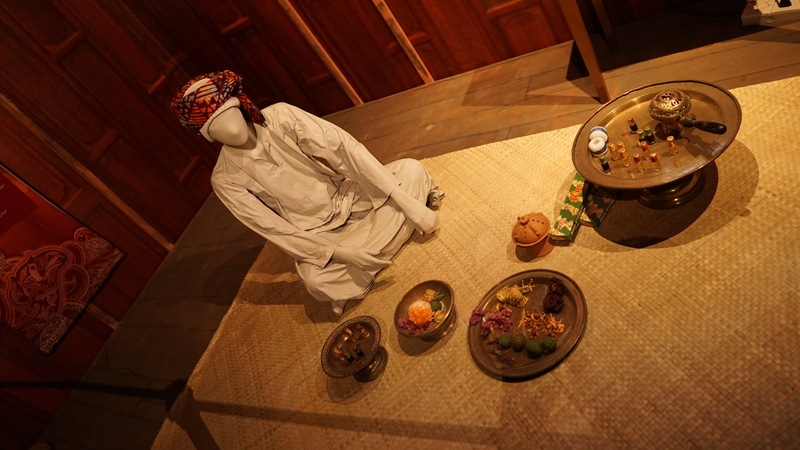

Shaman or bomoh in Malay. A bomoh is a Malay shaman and traditional medicine practitioner. [1] The term is used mainly in Malaysia and parts of Sumatra, whereas most Indonesians use the word dukun. | ID 113690847 © Syed Mohd Badril Hisham Syed Abdul Khalid | Dreamstime.com
ID 113690847 © Syed Mohd Badril Hisham Syed Abdul Khalid | Dreamstime.com

⬅ See all events from 2 November

Spread the word on your favourite platform!

1816: Betrayed Twice by the Same Informer: Thomas Collins Hanged in Sydney for a Parramatta Road Robbery

Thomas Collins had been transported from Cork on the convict ship Canada, arriving in New South Wales in 1815, and within a year was standing trial in Sydney for burglary. He and two accomplices had broken into a shop in O'Connell Street and made off with baskets of tobacco, burying part of it in the earth near Farm Cove before selling a basket on for a watch and cash. The case against him rested on the evidence of Edward Dempsey, a fellow gang member turned Crown witness, and Collins was convicted of burglary that September.

Days later he was back in the dock on an entirely separate charge: robbing a carter on the Parramatta Road the previous July, in a predawn ambush that saw three carts stopped and their drivers beaten to the ground. Dempsey gave evidence again, and Collins was convicted a second time.

He was hanged in Sydney on this day in 1816, alongside two other condemned men.

Collins confessed his guilt before his death; the record states that all three men executed that morning died penitent.

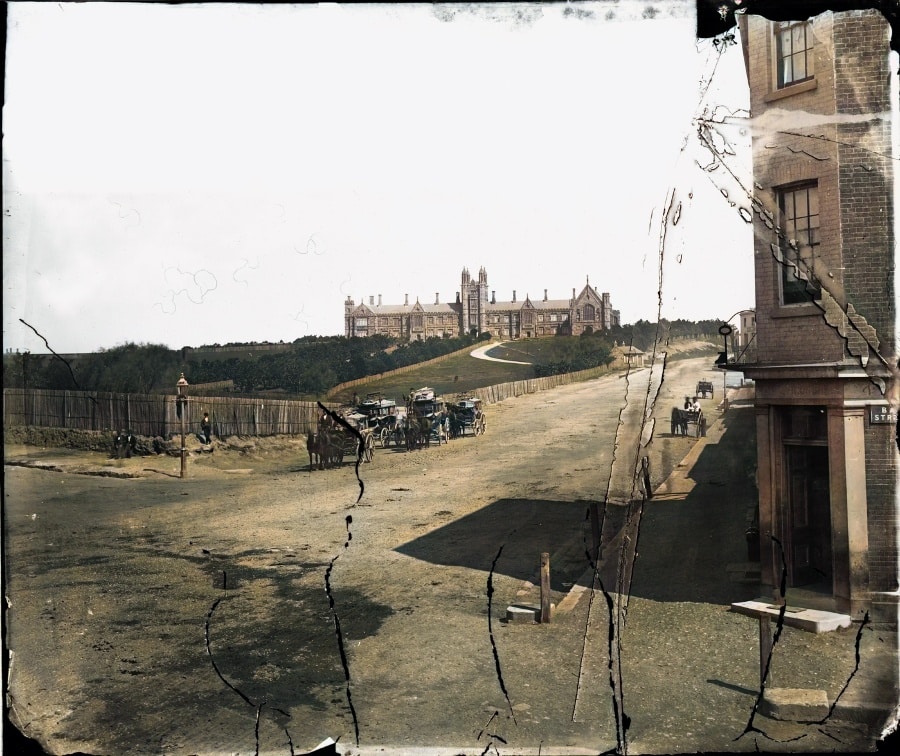
Horse-drawn omnibuses on Parramatta Road, Sydney, c. 1870–1875. Mitchell Library, State Library of NSW.

⬅ See all events from 1 November

Spread the word on your favourite platform!

1816: Betrayed by the Same Informer Twice: Hugh McLarie Hanged in Sydney for Highway Robbery

Hugh McLarie and his gang lay in wait on the Parramatta Road one morning in July 1816, ambushing a line of carts before dawn, knocking the drivers to the ground and making off with a keg of spirits, bolts of cloth and a haul of clothing from the cart of John Andrews. The robbery unravelled when Edward Dempsey, one of the raiders, turned King's evidence and gave the court a detailed account of the ambush.

It was not the first time Dempsey's testimony had put McLarie in the dock. Weeks earlier the same informer had helped convict him over a break in at a Sydney shop, naming him as one of the men who carried off baskets of tobacco, coin and clothing hidden in the bush beyond the town.

McLarie was hanged in Sydney on 1 November 1816 for the Parramatta Road robbery.

He confessed his crime before the scaffold and, the record states, died penitent.

Horse-drawn omnibuses on Parramatta Road, Sydney, c. 1870–1875. Mitchell Library, State Library of NSW.

⬅ See all events from 1 November

Spread the word on your favourite platform!

1816: The Black Beau of London, Hanged in SydneyAustralia

Daniel Moowattin was raised from infancy by the colony's own flogger and hangman, grew up fluent in English manners, and became a trusted bush guide to the botanist George Caley. In 1810 Caley took him to London, where society was charmed by his polished English and the latest fashions; one newspaper called him, admiringly, "a black beau." He even sang his own songs at a London party before confessing he longed for home, telling a companion he found more pleasure under a gum tree with his own people than anywhere in England.

He returned to the colony in 1812 and drifted between farm labour and life in the bush. That August, a teenage girl named Hannah Russell was walking alone on a road near Parramatta when, she testified, Moowattin dragged her into the scrub, beat and assaulted her, robbed her of money, then beat her again before a passing stockman frightened him off.

Under the colony's rules, Aboriginal people could not ordinarily be tried in its courts, but the men who knew Moowattin argued he no longer counted as one of them: he dressed, worked and spoke like a settler. On that reasoning he became the first Aboriginal man ever tried before a court in New South Wales, and on this day in 1816 he was hanged in Sydney alongside two men convicted of highway robbery, the first Aboriginal person legally executed in colonial Australia.

Governor Lachlan Macquarie claimed in his records that all three "confessed their crimes... and died penitent."

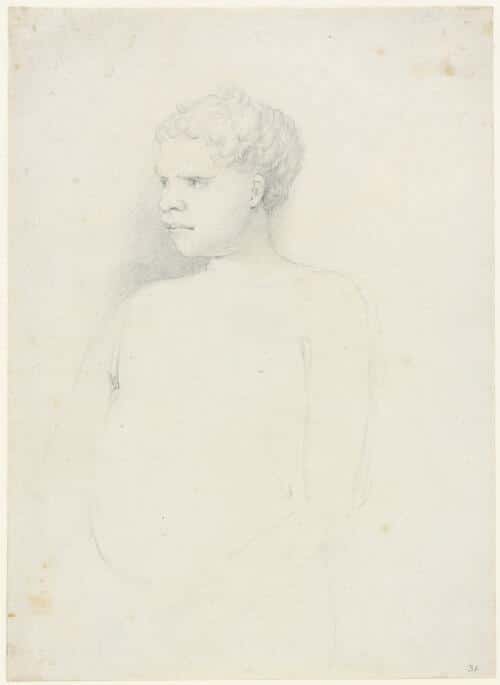
Port Jackson, a Native Boy; contemporary to Moowattin, William Westall, 1802. Courtesy of the National Library of Australia.

⬅ See all events from 1 November

Spread the word on your favourite platform!
On This Day in True Crime History

Subscribe to Dark Stories

True crime stories, dark history and tour news, straight to your inbox.