1798: Boarded and Press-Ganged: the Kidnapping of 55 American Sailors That Nearly Sparked a War

Impressment was the Royal Navy's practice of forcibly seizing men from other vessels to crew its own warships, a kind of state-sanctioned kidnapping that Britain justified by claiming the right to reclaim its own citizens wherever it found them. Off Havana, Cuba, a British squadron led by a seventy four gun warship stopped the American frigate USS Baltimore as it escorted a merchant convoy. Outgunned, Captain Isaac Phillips let British officers board and muster his crew, and on 16 November 1798 they marched off 55 men they claimed lacked proof of American citizenship.

Five were kept as British subjects; the rest were eventually handed back, but the damage was done. Phillips was dismissed from the US Navy without a court martial for surrendering without a fight, and Washington issued new orders forbidding any American commander from ever again letting a foreign warship search a US naval vessel.

The grudge festered for nine years until a US frigate, obeying those very orders, was fired on for refusing a search in the Chesapeake-Leopard affair. Impressment remained the rawest wound between the two nations, cited by President James Madison among his reasons for declaring the War of 1812.
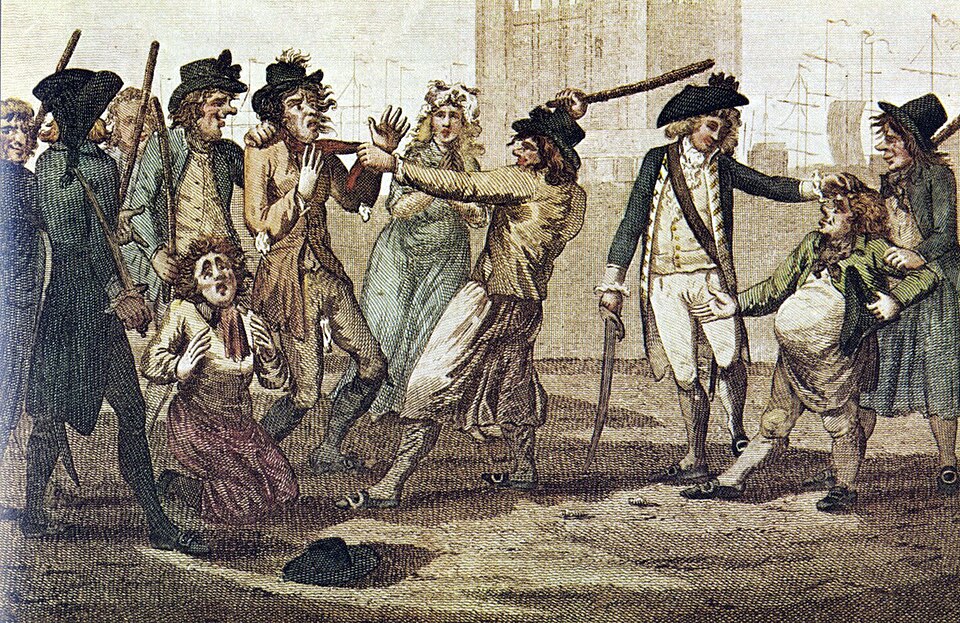

1780 caricature of a press gang

⬅ See all events from 16 November

Spread the word on your favourite platform!

1949: The Assassin Who Bowed Before He Fired: Nathuram Godse Hanged for the Murder of Mahatma Gandhi

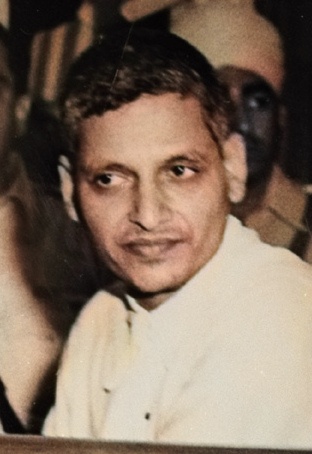
Nathuram Godse stepped out of the crowd at a Delhi prayer meeting, bowed low as though to touch Gandhi's feet, then drew a pistol and fired three shots into him at point blank range on 30 January 1948. He made no attempt to run. Witnesses said he stood waiting to be arrested, convinced Gandhi's tolerance of Muslims during Partition had betrayed Hindus and weakened the new nation.

Godse and his collaborator Narayan Apte, along with six co-conspirators, were tried over eight months. Both men were sentenced to death, and hanged together at Ambala jail on this day in 1949. Apte's neck broke and he died at once; Godse, by most accounts, choked slowly on the rope for some fifteen minutes.

Godse never denied the killing or sought mercy for it. "I did not hate Gandhi," he told the court, "I revered him... then performed my moral duty and killed Gandhi."

Nathuram Godse taken during M.K.Gandhi's murder trial

⬅ See all events from 15 November

Spread the word on your favourite platform!

1976: Not Even on the List: Terry Lewis Leapfrogs 100 Officers as Queensland Police Chief Quits in Disgust

Terry Lewis was a Charleville inspector who was not even on Commissioner Ray Whitrod's shortlist for promotion, yet on this day in 1976 the Bjelke-Petersen Cabinet, sitting in Brisbane, rejected Whitrod's own candidates and jumped Lewis straight to Assistant Commissioner, over more than 100 officers senior to him.

Whitrod, who called the decision shattering, resigned that same day rather than accept it. The next morning's Courier-Mail front page summed up the fallout in four words: Shocks as police chief quits.

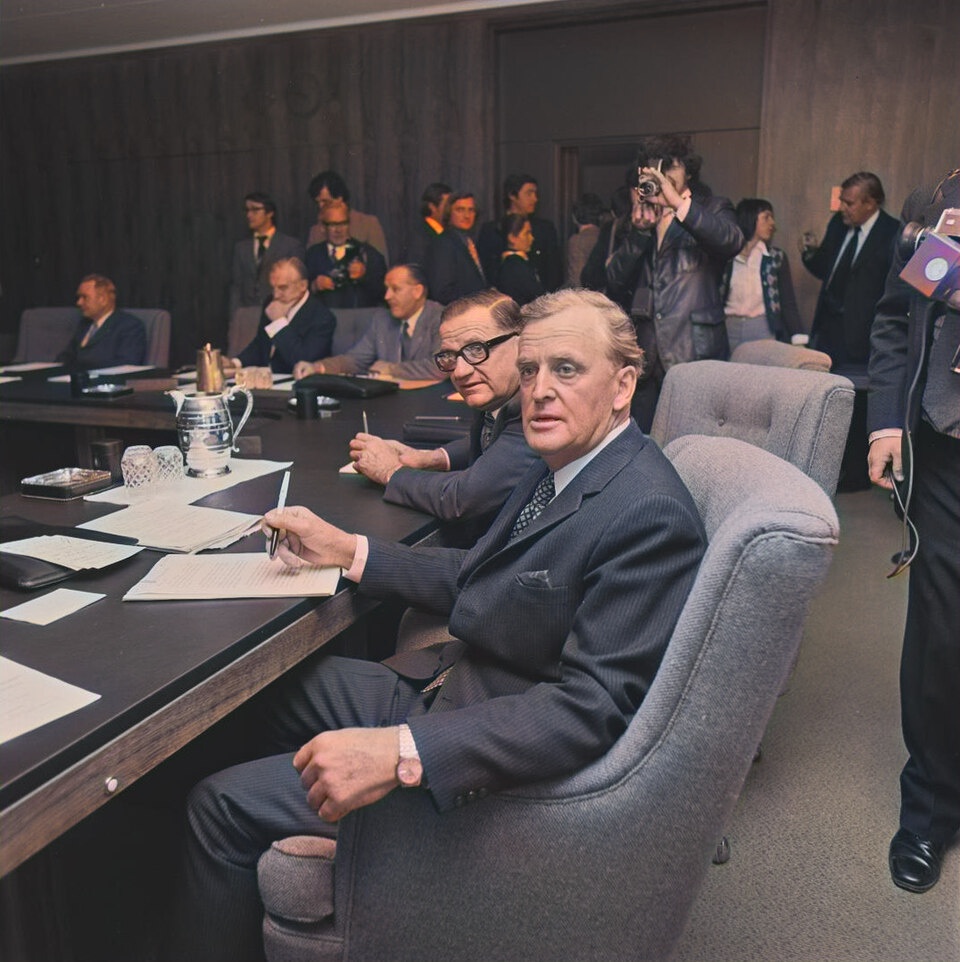
QLD Premier Joh Bjelke-Petersen at the Premiers' Conference, 1974. National Archives of Australia.

⬅ See all events from 15 November

Spread the word on your favourite platform!

1930: Shot at Tokyo Station, the Lion Prime Minister Died of the Wound Nine Months Later

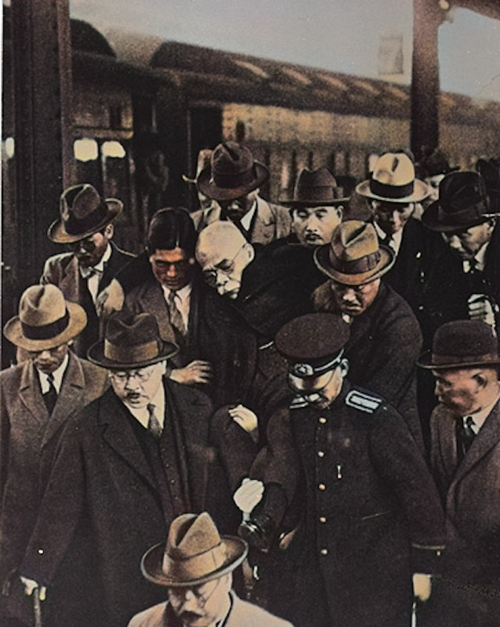
Hamaguchi Osachi, the Japanese prime minister known for his dignified bearing and mane-like hair, was waiting on the platform at Tokyo Station on 14 November 1930 when a young ultranationalist named Tomeo Sagoya stepped close and shot him in the stomach. Sagoya belonged to Aikokusha, a right-wing society that despised Hamaguchi's liberal policies. Bystanders carried the wounded premier from the platform as Sagoya was seized on the spot.

Surgeons at Tokyo Imperial University Hospital managed to save him, and Hamaguchi even returned briefly to public life. But the wound never properly healed. A bacterial infection took hold in the damaged tissue, and nine months after the shooting, on 26 August 1931, it finally killed the man his own countrymen had once nicknamed the Lion Prime Minister.

Assassination attempt on hamaguchi osachi 1930

⬅ See all events from 14 November

Spread the word on your favourite platform!
On This Day in True Crime History

Subscribe to Dark Stories

True crime stories, dark history and tour news, straight to your inbox.