1887: Bloody Sunday: London Police and Troops Crush an Unemployed Workers Protest in Trafalgar Square

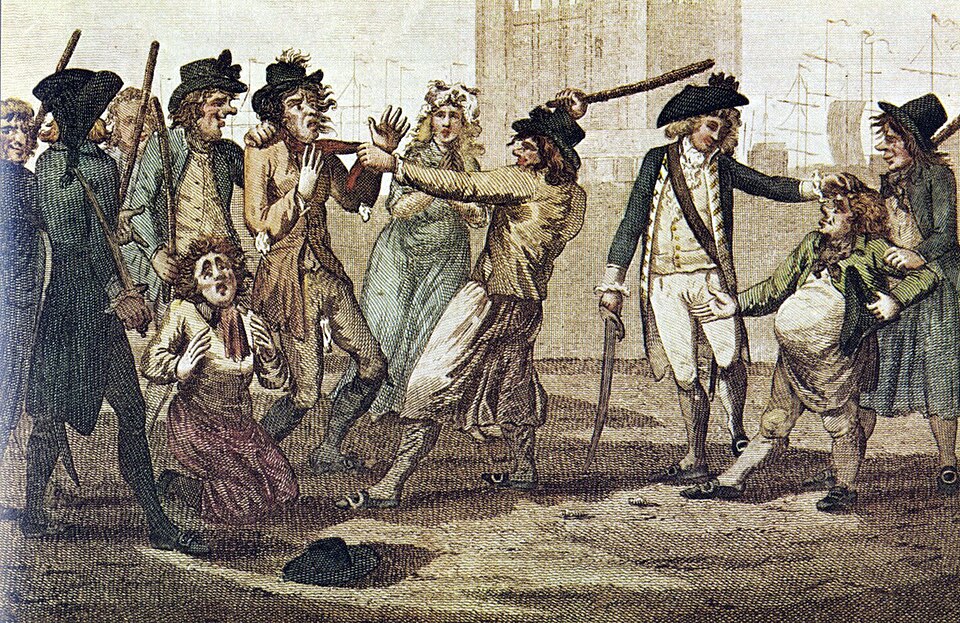
Tens of thousands of unemployed workers and Irish protesters converged on Trafalgar Square in London on this day in 1887, defying a police ban to demand jobs and the release of an imprisoned Irish MP. Commissioner Charles Warren met them with 2,000 constables and 400 soldiers under fixed bayonets; a local manufacturer even offered his steam fire engine as an improvised water cannon to clear the crowd, an offer Warren turned down.

The baton charges that followed left two or three protesters dead and hundreds injured, with 400 arrests made amid iron bars, knives and broken glass. Organisers including John Burns and Robert Cunninghame-Graham were jailed for six weeks, while Annie Besant, who addressed the crowd, was never charged.

The violence was not over. The following Sunday a young clerk named Alfred Linnell was run down by a police horse during a second demonstration, dying a fortnight later from his injuries; his funeral drew thousands and turned him into a martyr for the cause.
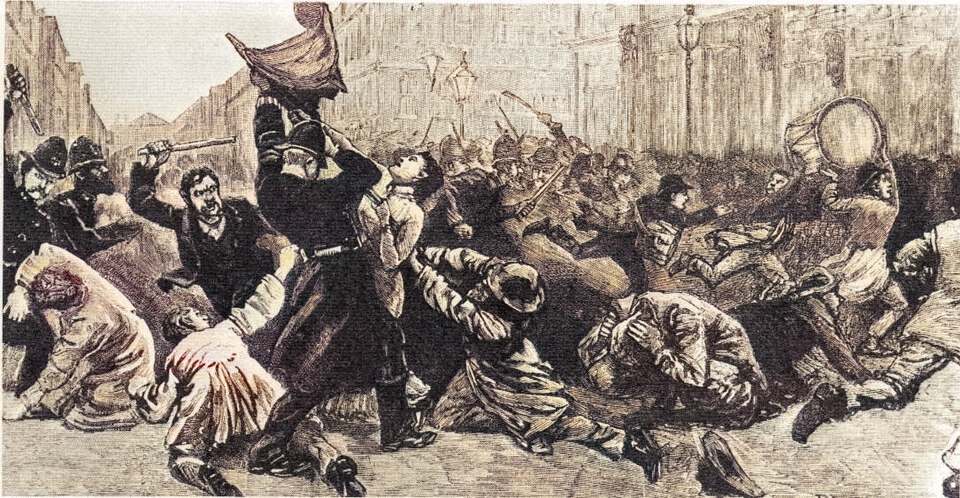

Bloody Sunday, London, 1887. Illustration from The Illustrated London News.

⬅ See all events from 13 November

Spread the word on your favourite platform!

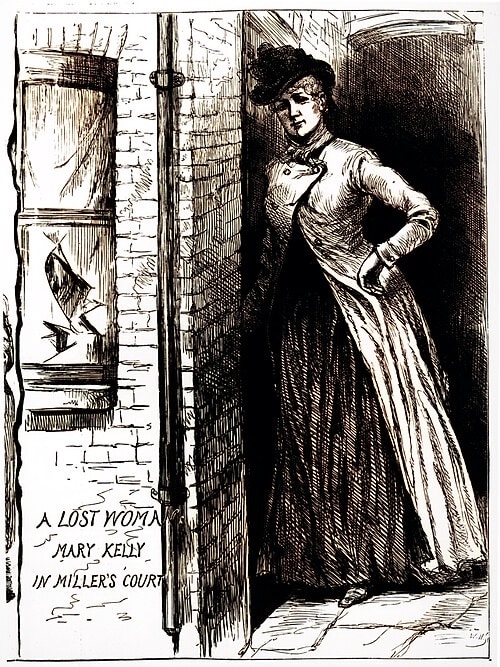
1888: The Last Known Victim of Jack the Ripper: Mary Kelly Murdered Behind a Locked Door

Mary Kelly broke the pattern that had defined four earlier Whitechapel murders. Her killer did not strike her down on a dark street but inside her own rented room at Millers Court, a tiny space off Dorset Street where he had hours, not minutes, to work unseen. On this day in 1888, a rent collector sent to chase six weeks of unpaid arrears peered through a broken windowpane and found her body so extensively mutilated that her appearance in life could never be established.

She was identified only by her former partner, who recognised her by the ear and the eyes alone. An inquest returned a verdict of wilful murder against some person or persons unknown, and despite a police pardon offered to any accomplice who came forward, no one was ever charged. Kelly is widely considered the Rippers final and most savage victim, and his identity has remained one of history's most notorious unsolved mysteries ever since.

Mary Jane Kelly - Ripper Victim

⬅ See all events from 9 November

Spread the word on your favourite platform!

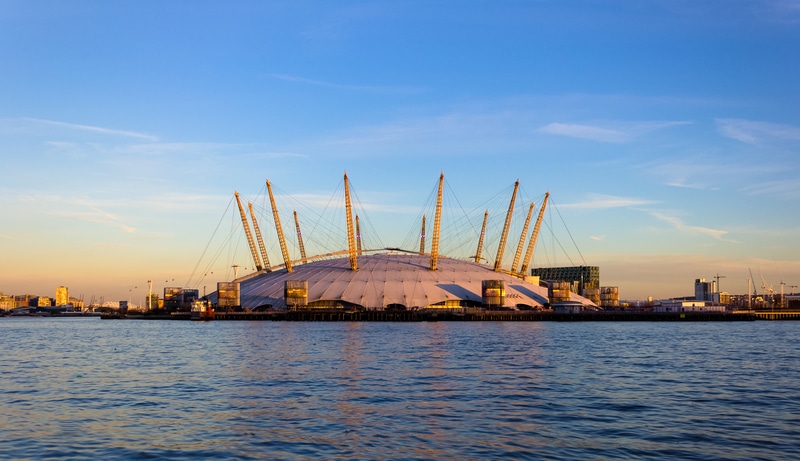
2000: The Diamond Heist That Was Really a Trap: Police Foil a 350-Million-Pound Raid on the Millennium Dome

A seven-man gang planned to smash into the Millennium Dome's diamond exhibition, grab a haul worth 350 million pounds, and roar off down the Thames on a speedboat. It was a bold escape plan for a bold crime, but the gang never got the chance to use it.

Police had been watching for weeks. Surveillance cameras had already filmed members of the crew casing and videoing the exhibition beforehand, and on this day in 2000, a 100-strong police operation was waiting the moment they struck, ready to close in before the gang could reach the river.

Had they somehow broken through and made it to their boat, there was one final twist waiting for them: the diamonds on display that day were fakes, the real stones having already been quietly removed for safekeeping.

02 Arena in London. London, UK - January 21, 2014: The O2 Arena in London at sunset. The venue contains shops, bars, cinemas, clubs and often holds entertainment concerts. | ID 36920457 © Mike Clegg | Dreamstime.com
ID 36920457 © Mike Clegg | Dreamstime.com

⬅ See all events from 7 November

Spread the word on your favourite platform!

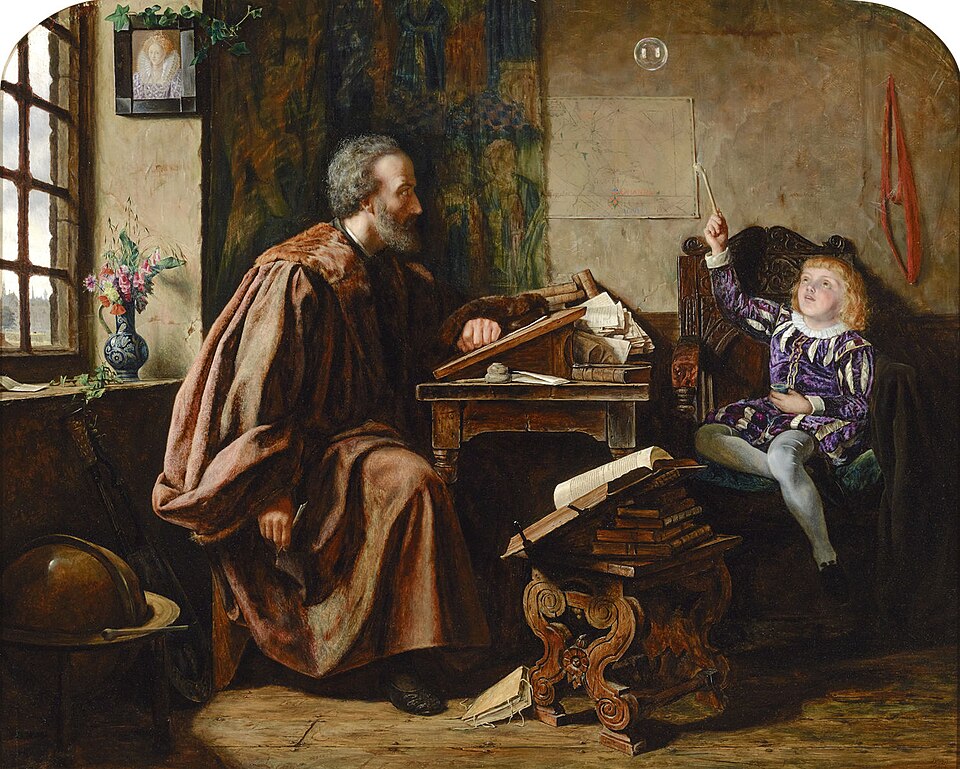
1618: A Sharp Medicine for All Diseases: the Execution of Sir Walter Raleigh

Sir Walter Raleigh had already cheated the executioner once. Convicted of treason within months of Queen Elizabeth's death, after rivals whispered that he had opposed the accession of King James, he was spared at the last moment and spent thirteen years locked in the Tower of London instead.

Released in 1616 to hunt for gold in Guiana, Raleigh promised the voyage would bring no trouble with Spain. It did: his men attacked a Spanish outpost against direct orders, the expedition found no gold, and Raleigh came home to a king eager to please Madrid and an old death sentence still on the books. It was carried out in London on 29 October 1618.

On the scaffold he asked to examine the axe himself, running a thumb along the blade before remarking, "This is a sharp medicine, but it is a physician that will cure all diseases."

Sir Walter Raleigh imprisoned in the Tower of London by Henry Wallis

⬅ See all events from 29 October

Spread the word on your favourite platform!
On This Day in True Crime History

Subscribe to Dark Stories

True crime stories, dark history and tour news, straight to your inbox.