1851: "And Am Willing to Suffer": the Chilling Calm After a Deloraine Hut Stabbing

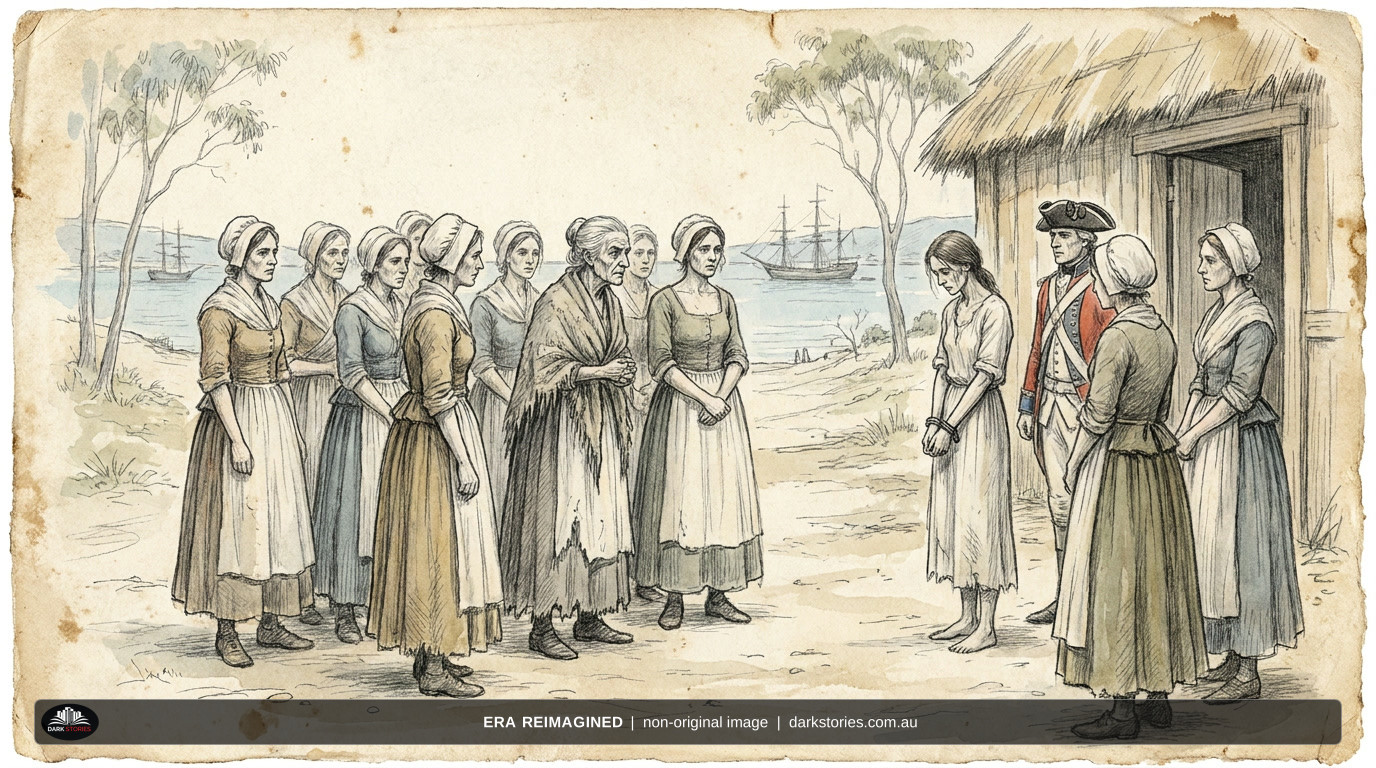
James Yardsley was drinking keg beer with fellow farm servants in a hut near Deloraine on the night of 26 July 1851 when, after a separate scuffle outside, he strode back in and told Robert Hudson he would be his "butcher to night." He stabbed Hudson three times with a pocket knife while another labourer, Bush, wrestled for the blade and begged him to stop; Hudson collapsed with wounds to his chest, arm and back.

Convicted of wounding with intent to do bodily harm, Yardsley was hanged at Launceston on this day in 1851, the same port where he had landed as a transported convict sixteen years earlier.

When his employer confronted him that night, Yardsley answered flatly, "I've done it, and am willing to suffer," and later said he was ready to "die on the gallows for it."

Butcher and butcherer

⬅ See all events from 31 October

Spread the word on your favourite platform!

1861: They Dined on Stolen Ham While the Family Lay Bound: Thomas Sanders Hanged in Melbourne for a Farmhouse Attack

Thomas Sanders and his accomplice, John Johnson, burst into a farmhouse at Keilor, outside Melbourne, and held the farmer, his pregnant wife and their teenage servant girl at gunpoint for six hours. They nailed the windows shut, hung the family's double-barrelled gun out of reach, then settled by the fire to fry a stolen ham and drink the household's wine and brandy while their captives sat bound and silent in the kitchen.

At trial, Sanders admitted his involvement in the robbery but disputed the evidence against him on the more serious charge. Both men were convicted, and Sanders was hanged on 31 October 1861. The rope had been improperly adjusted, leaving him struggling on the gallows for three minutes. He maintained his innocence of the capital offence to the end, declaring before the execution crowd, "I stand before you innocent of the offence for which I am about to die... I swear I am innocent."

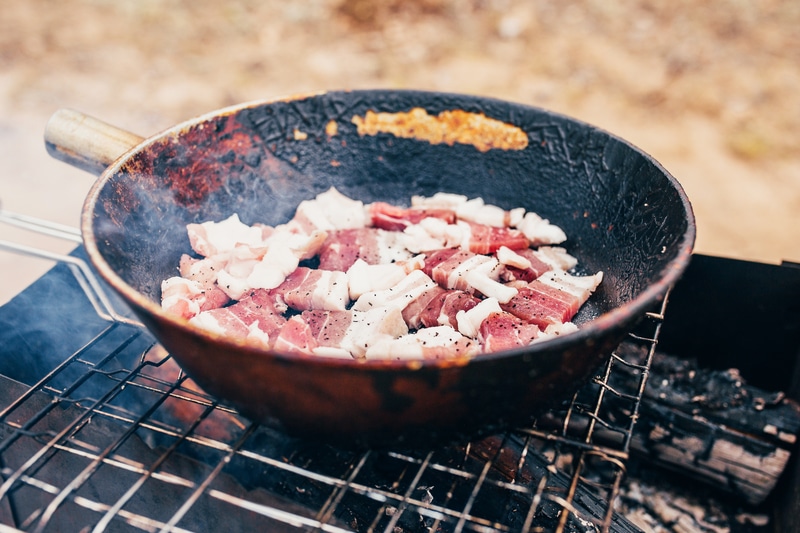
Cast-iron pan with pork belly cooking over a forest campfire

⬅ See all events from 31 October

Spread the word on your favourite platform!

1830: Cornered at Abercrombie Caves: Ten Ribbon Gang Bushrangers Sentenced to Death at Bathurst

Ralph Entwistle was an escaped convict who had been publicly flogged on the orders of Bathurst magistrate Thomas Evernden after being spotted bathing in the Macquarie River by the Governor's travelling party. Within a year he had turned bushranger, gathering escaped convicts into a band that grew to as many as eighty men, the largest convict uprising since Castle Hill, known as the Ribbon Gang for the white streamers Entwistle wore in his hair.

The gang's campaign turned deadly when overseer James Greenwood refused to let them recruit his master's men, baring his chest and daring them to shoot. They did. Troopers and armed volunteers, guided by two Aboriginal trackers, finally cornered the remaining bushrangers at the Abercrombie Caves, where a gunfight lasting hours forced the survivors onto a nearby hilltop before reinforcements ran the exhausted gang down.

On 30 October 1830, ten captured bushrangers faced trial at Bathurst before a jury of military officers. The court convicted six, including Entwistle, of Greenwood's murder, and four others of plundering farmhouses, sentencing all ten to death.

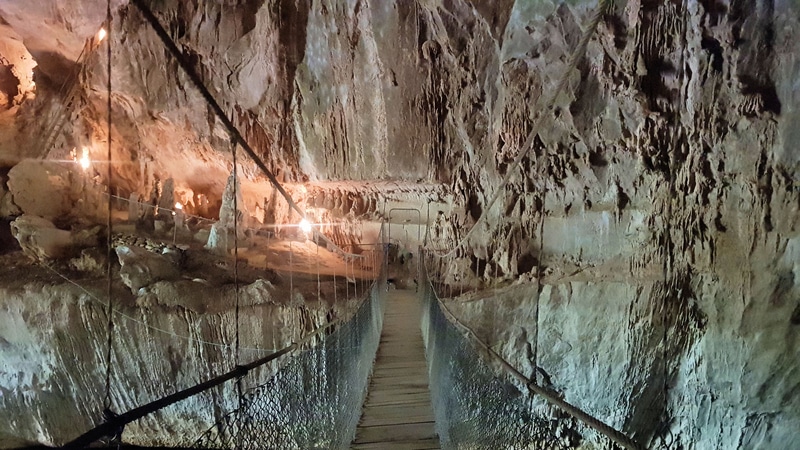
Suspension bridge over underground lake at Abercrombie Caves

⬅ See all events from 30 October

Spread the word on your favourite platform!

1878: Shoot on Sight: the Extraordinary Law That Outlawed Ned Kelly

Just four days after three police officers were shot dead at Stringybark Creek, the Victorian government introduced the Felons Apprehension Bill on 30 October 1878, paving the way for extraordinary powers that would allow Ned Kelly and his gang to be declared outlaws.

Once Ned and his brother Dan were formally declared outlaws, they could legally be shot on sight by police or any member of the public, without first standing trial. The legislation also threatened severe penalties for anyone knowingly sheltering or assisting the fugitives.

The crackdown extended beyond the outlaws themselves. Police arrested suspected Kelly sympathisers, with around twenty men detained for months as authorities attempted to break the gang's network of support. The heavy-handed campaign fuelled resentment among sections of the local population, strengthening sympathy for the very men the government was determined to capture.

Even after the gang robbed banks at Euroa and Jerilderie, prompting Victoria and New South Wales to offer a combined reward of £8,000 in February 1879, the outlaws remained at large. It took another sixteen months, and the bloody siege at Glenrowan in June 1880, before Ned Kelly, wearing his homemade iron armour, was finally captured.

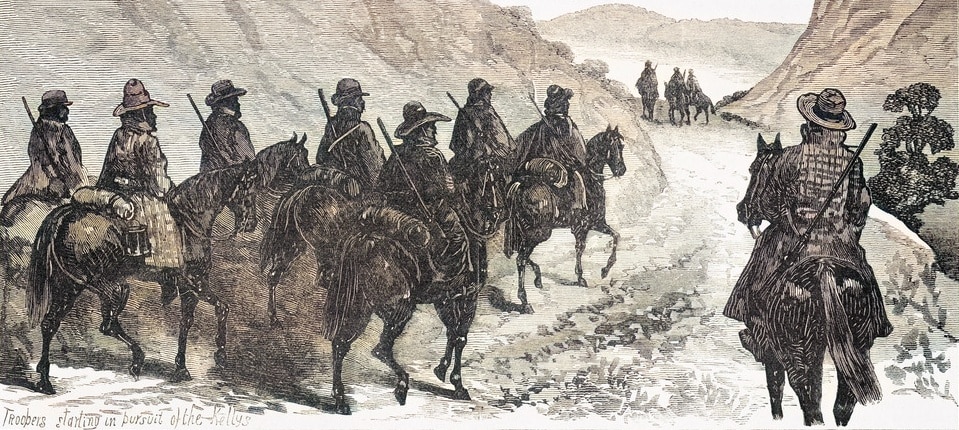
Troopers pursuing the Kelly Gang on horseback

⬅ See all events from 30 October

Spread the word on your favourite platform!
On This Day in True Crime History

Subscribe to Dark Stories

True crime stories, dark history and tour news, straight to your inbox.