1878: Shoot on Sight: the Extraordinary Law That Outlawed Ned Kelly

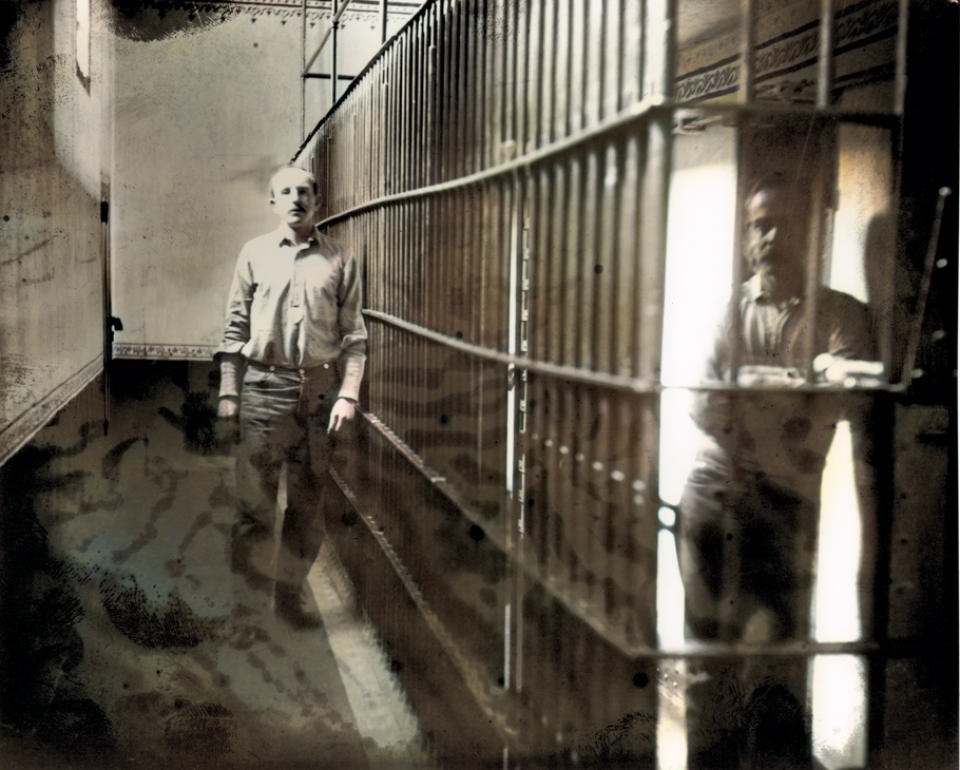
Just four days after three police officers were shot dead at Stringybark Creek, the Victorian government introduced the Felons Apprehension Bill on 30 October 1878, paving the way for extraordinary powers that would allow Ned Kelly and his gang to be declared outlaws.

Once Ned and his brother Dan were formally declared outlaws, they could legally be shot on sight by police or any member of the public, without first standing trial. The legislation also threatened severe penalties for anyone knowingly sheltering or assisting the fugitives.

The crackdown extended beyond the outlaws themselves. Police arrested suspected Kelly sympathisers, with around twenty men detained for months as authorities attempted to break the gang's network of support. The heavy-handed campaign fuelled resentment among sections of the local population, strengthening sympathy for the very men the government was determined to capture.

Even after the gang robbed banks at Euroa and Jerilderie, prompting Victoria and New South Wales to offer a combined reward of £8,000 in February 1879, the outlaws remained at large. It took another sixteen months, and the bloody siege at Glenrowan in June 1880, before Ned Kelly, wearing his homemade iron armour, was finally captured.
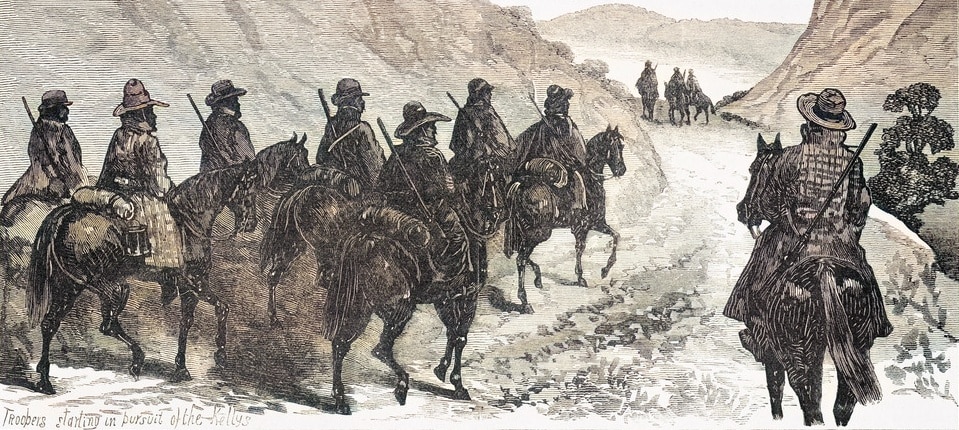

Troopers pursuing the Kelly Gang on horseback

⬅ See all events from 30 October

Spread the word on your favourite platform!

1919: Congress Overrides a Veto and Unleashes Prohibition: the Volstead Act Becomes Law

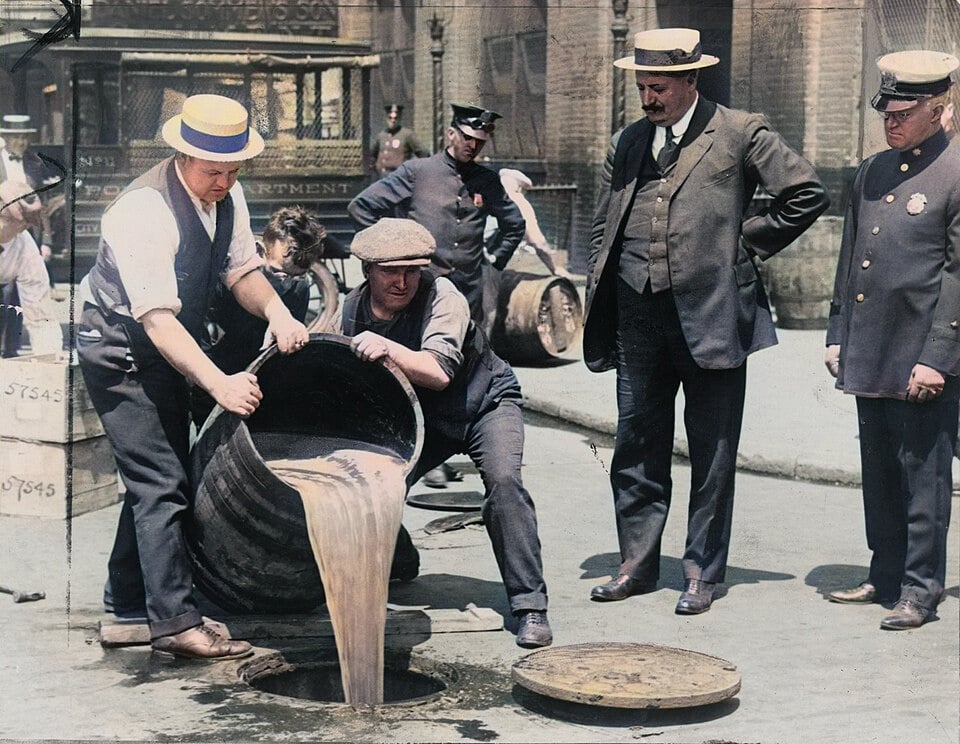
President Woodrow Wilson vetoed it, warning that banning alcohol while rationing wartime grain made no sense now the war was over. Congress disagreed, and on this day in 1919 the Senate and House of Representatives overrode his veto, pushing the Volstead Act into law and setting a date to enforce the newly ratified Eighteenth Amendment.

The Act gave Prohibition its teeth: it defined any drink over 0.5 percent alcohol as illegal and handed federal agents the power to raid, seize and prosecute. Within months, that vacuum would be filled not by sobriety but by bootleggers, speakeasies and the organised crime syndicates who built fortunes smuggling what the law had just made forbidden.

New York City Deputy Police Commissioner overseeing the disposal of confiscated liquor during Prohibition, c. 1921. Source: Library of Congress.

⬅ See all events from 28 October

Spread the word on your favourite platform!
On This Day in True Crime History

Subscribe to Dark Stories

True crime stories, dark history and tour news, straight to your inbox.