1865: Australia’s Only Chinese Bushranger: Convicted of Murdering a Constable Without Understanding His Own Trial

Sam Poo was an itinerant Chinese bushranger who spent ten days terrorising stockmen and settlers near Talbragar before shooting Senior Constable John Ward in February 1865. Tried at Bathurst that October, Poo took no part in his own defence; the court’s Chinese interpreter could not understand his dialect, and he sat through the entire proceedings in silence while witnesses and the dying constable’s own written statement were read against him.

The jury convicted him largely on that statement, in which Ward, certain he was dying, described being chased and shot by a “short, little, cranky old man” armed with a gun and pistol. The judge, visibly moved as he spoke the final words of the sentence, ordered Poo hanged, calling him a man who had terrified unarmed men, women and children before the killing.
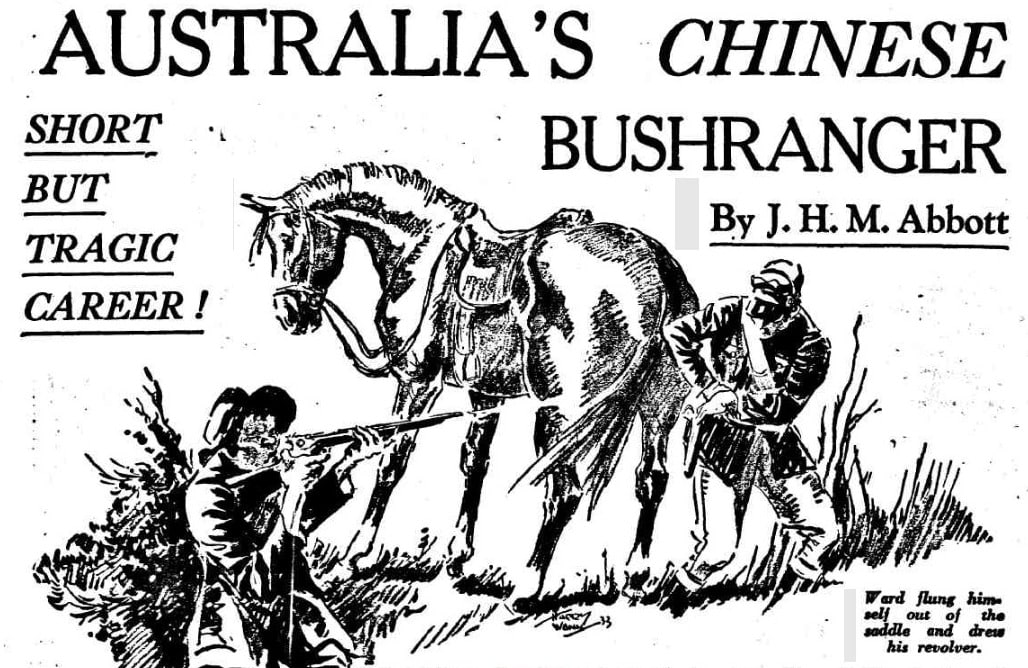

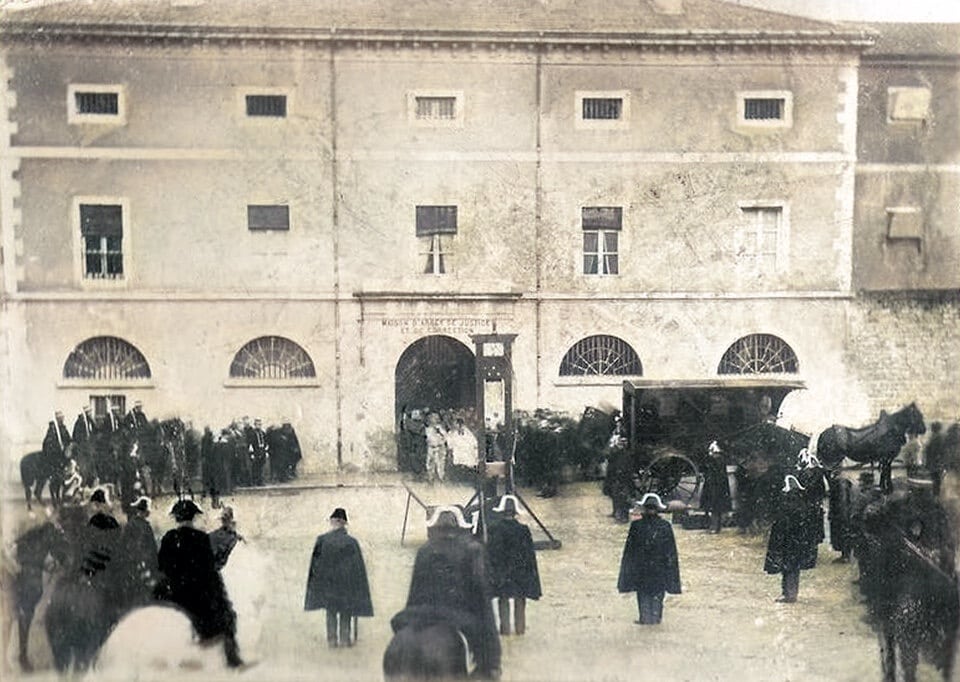
Australias only Chinese bushranger.

⬅ See all events from 10 October

Spread the word on your favourite platform!

1852: Timothy Sullivan Cried “Robbers, Robbers” While Beating an Old Shepherd to Death

Timothy Sullivan lived with an elderly shepherd named Daniel Harrington at King’s Plains, near Carcoar in the Bathurst district. On the night of 4 June 1852, neighbours were woken by Sullivan himself shouting “robbers, robbers” from his hut. When a neighbour, Daniel Healy, ran to help, he found no robber, only Sullivan raining blows on the old man with a heavy weapon he then hurled onto the roof. Harrington, barely alive, managed to whisper his own name before he died.

At the Bathurst Assizes the judge dismissed the robbery story as invention, noting that nothing had actually been stolen and that the wounds showed deliberate, prolonged violence. Convicted of wilful murder, Sullivan was hanged on 30 September 1852; the drop was so severe it very nearly tore his head from his body.

On the scaffold a priest read a statement on Sullivan’s behalf: he claimed he had rushed out in the dark with a flesh fork believing a robber was near, striking blindly, and insisted “he did not know it was Harrington he was wounding.”

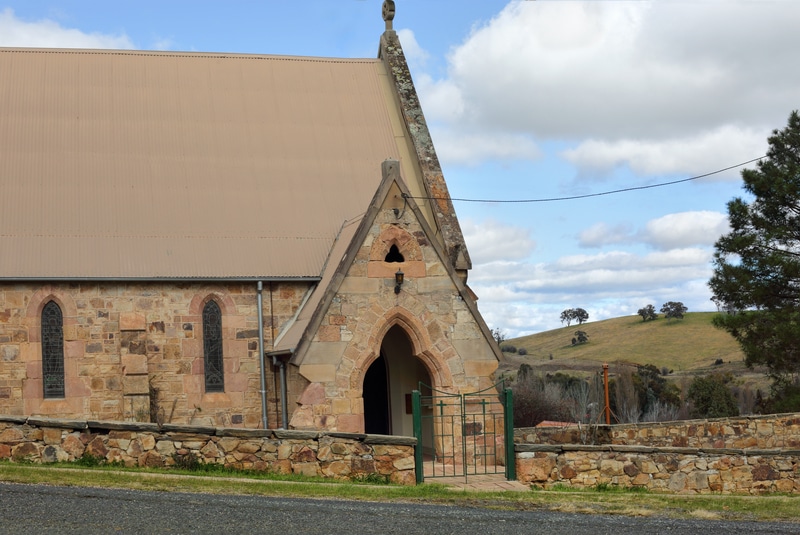
Sandstone building in Carcoar

⬅ See all events from 30 September

Spread the word on your favourite platform!

1852: He Only Aimed for the Knees: John Newing Hanged for Murder Anyway

In October 1851, at a shearers’ hut on a station on the Castlereagh, a Chinese labourer named John Newing burst in armed with a shear blade lashed to a pole and stabbed a fellow countryman, Hing, in the groin. Bystanders wrenched the weapon from him, but he returned with two knives before he could be disarmed again, and Hing bled out within minutes.

At his trial at Bathurst in August 1852, defence counsel argued there had been no intent to kill, telling the court that Newing himself had said he aimed only for the knees. The jury was unmoved and returned a verdict of guilty, and Newing was sentenced to death without hope of mercy. He went to the gallows the following month alongside an unrelated condemned man, Timothy Sullivan, in an execution remembered chiefly for how badly it was botched.

Unable to speak or understand English, and with no interpreter willing to attend him at the end, Newing left no final statement and died in silence.

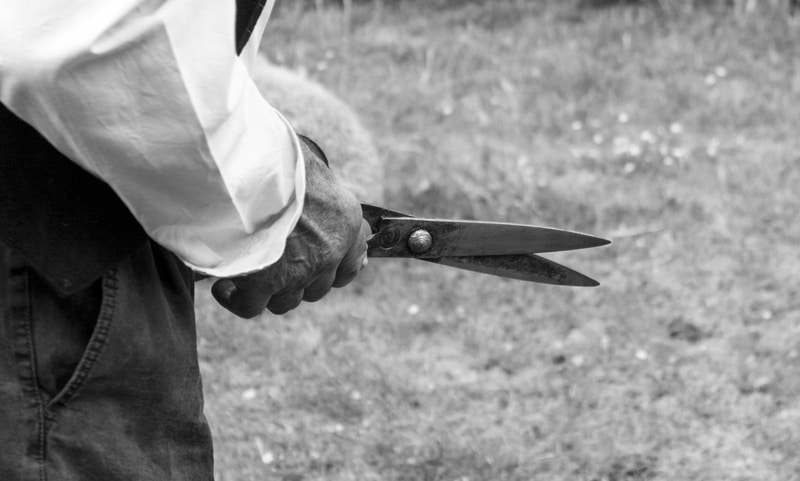
Sheep shearer scissors.

⬅ See all events from 30 September

Spread the word on your favourite platform!

1829: The Informer They Called Kangaroo Jack: Silenced in the Bush Near Bathurst

John Hazeldine went by the name Kangaroo Jack, and he liked to remind men what his evidence could do: he claimed it had hanged one man in England and transported two others. So when he and a young absconded convict named Parker were caught butchering a stolen bullock in the bush near Bathurst in 1828, Parker knew exactly what Hazeldine intended to do next. That evening, as Hazeldine knelt blowing a campfire alight, Parker struck him with a tomahawk.

The case against him rested almost entirely on a confession he was said to have made to two fellow convicts, men a settler who watched the trial branded liars who “contradicted each other in all other things” and may have been the real killers. It was enough. Parker, about 19, was hanged behind the gaol at Sydney on 28 September 1829, still hoping until the last for a reprieve.

He denied the murder almost to the moment the rope was placed around his neck, then confessed his guilt as the drop was prepared.

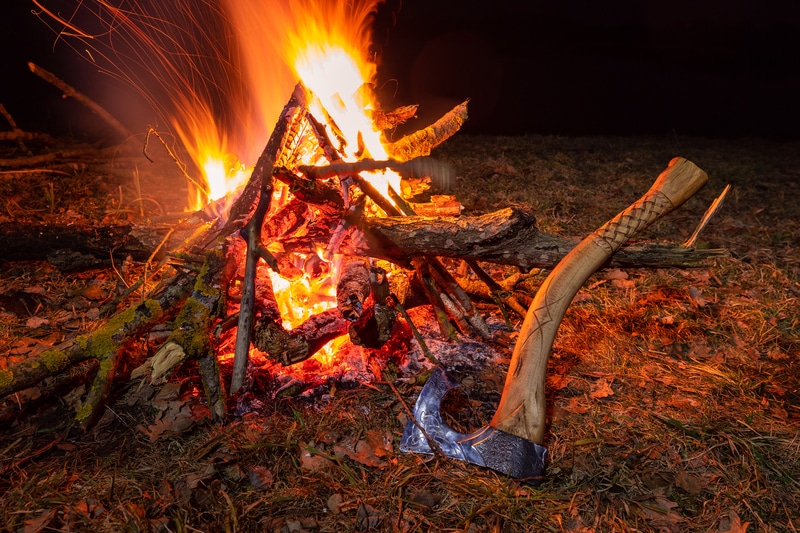
Campfire with hand-forged axe at night.

⬅ See all events from 28 September

Spread the word on your favourite platform!
On This Day in True Crime History

Subscribe to Dark Stories

True crime stories, dark history and tour news, straight to your inbox.