1721: Executed at Twenty: The Soldier Who Claimed He Was Defending His Honour

William Casey, a young Guardsman only about twenty years old, was hanged in London on 11 September 1721 after being convicted of robbing a man named John Stone in a city park. Casey never accepted the charge; he insisted the confrontation had nothing to do with theft and everything to do with Stone making indecent advances toward him, a claim that, if true, cast the entire prosecution in a very different light.

At the gallows Casey did not simply protest verbally. He left behind a written statement formally proclaiming his innocence of the robbery, a deliberate act by a condemned soldier determined that his version of events would outlive him.

“He maintained until death that the confrontation arose because Stone had made indecent advances toward him” and went to his execution still denying the crime for which he was hanged.
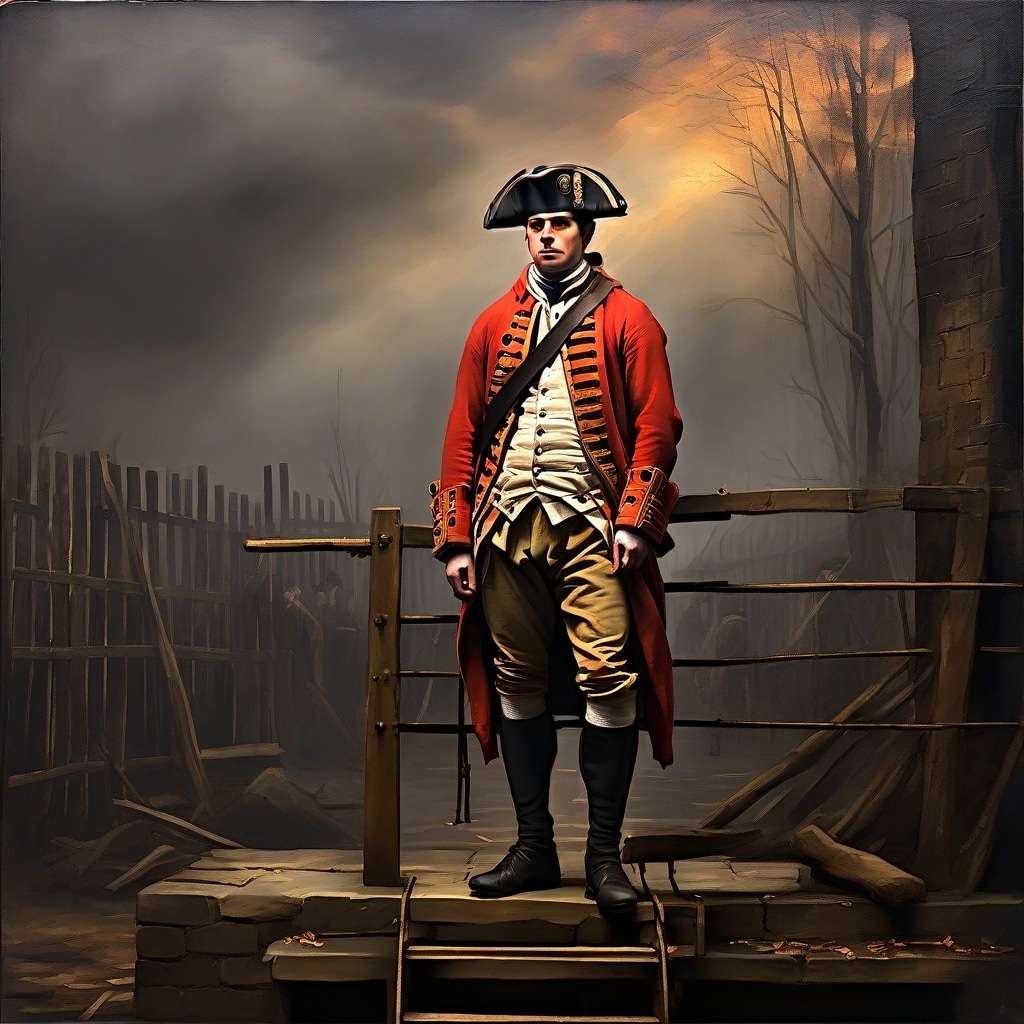

William Casey: The Soldier Accused of Robbery in the Park

⬅ See all events from 11 September

Spread the word on your favourite platform!

1863: The Escape-Proof Prison That Wasn’t: Captain Thunderbolt Breaks Out of Cockatoo Island

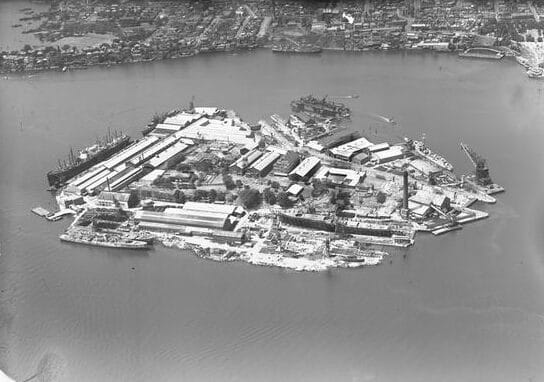
Frederick Wordsworth Ward, the bushranger known as Captain Thunderbolt, was serving time on Sydney‘s Cockatoo Island, a prison ringed by harbour currents and sheer sandstone cliffs and widely declared impossible to escape. On the night of 11 September 1863, Ward slipped his cell and plunged into the water, swimming through the cold, shark infested harbour to the mainland shore.

The breakout humiliated colonial authorities and turned Ward into a folk figure almost overnight. He spent the next seven years roaming the bush of northern New South Wales, robbing coaches, inns and travellers as one of the colony’s most enduring and elusive bushrangers before he was finally shot dead by police near Uralla in 1870.

Cockatoo Island, Sydney, 1951. Photograph by Frank Hurley. National Library of Australia, PIC FH/7951. Out of copyright.

⬅ See all events from 11 September

Spread the word on your favourite platform!

1876: A Cashier’s Refusal Dooms the Jesse James-Younger Gang at Northfield, Minnesota

On September 7, 1876, the Jesse James-Younger Gang rode into Northfield, Minnesota, intending to rob the First National Bank. Inside, cashier Joseph Lee Heywood refused to open the safe even as a revolver was pressed to his head and he was pistol-whipped; he was shot dead at his desk for his defiance, having falsely claimed the safe was on a time lock.

Outside, armed townspeople grabbed rifles and shotguns and opened fire from doorways and windows along the main street. Two of the raiders, Clell Miller and William Stiles, were killed in the street, and several others were wounded before the surviving gang members fled empty-handed.

A massive manhunt followed through the Minnesota countryside. Jesse and Frank James eventually broke away and escaped, but Cole, Jim and Bob Younger were tracked down two weeks later, badly wounded, and captured. The disastrous raid effectively destroyed the gang as a fighting unit and ended its run of successful robberies.

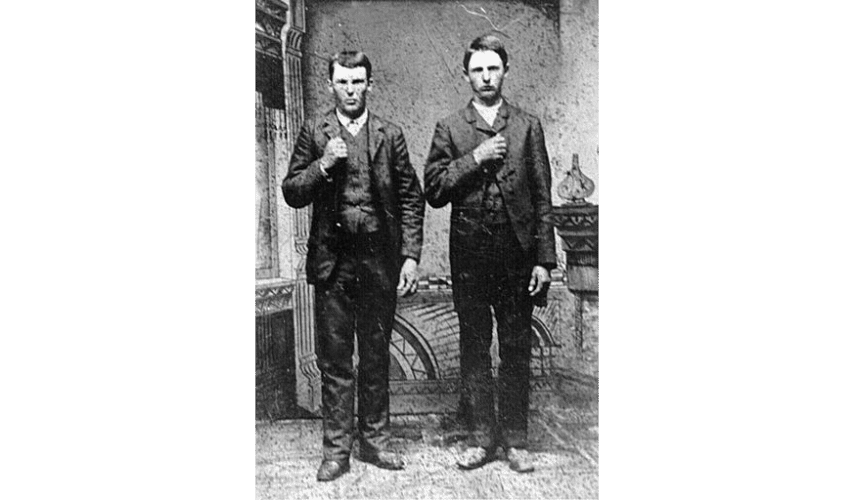
Jesse and Frank James

⬅ See all events from 7 September

Spread the word on your favourite platform!

1924: John Dillinger Commits His First Crime: A Robbery That Set a Legend in Motion

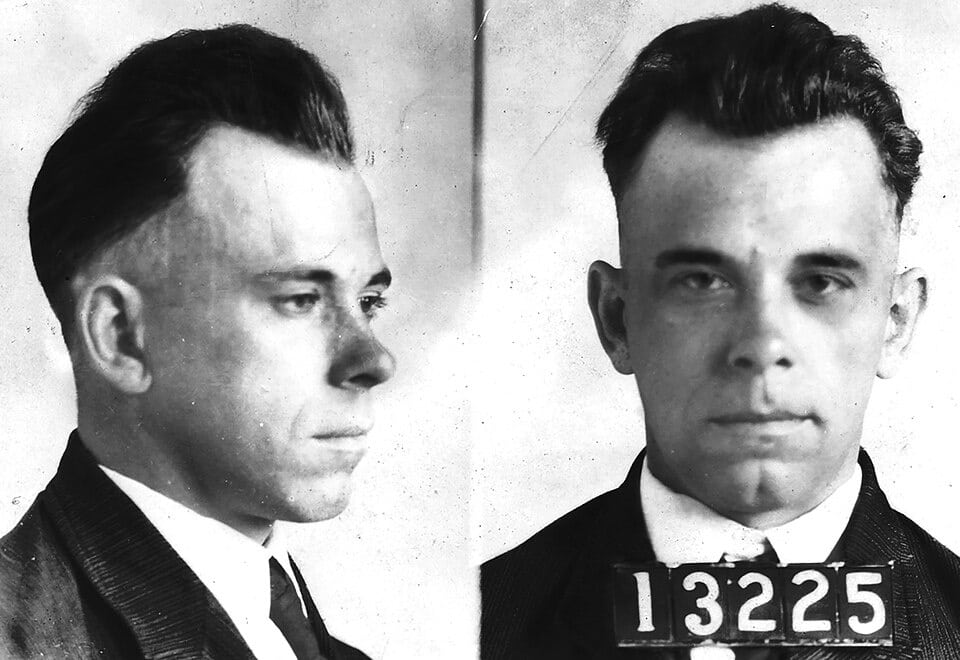
On 6 September 1924, twenty-one-year-old John Dillinger joined his friend Edgar Singleton in robbing a local grocer, Frank Morgan, as he returned home carrying the week’s takings. Dillinger struck Morgan with a cloth-wrapped iron bolt. Both men were arrested, but despite Dillinger having no prior record, he received the harsher sentence: between 10 and 20 years. Singleton, the experienced criminal who had planned the job, hired a lawyer and walked away with a lighter term.

Inside the Indiana State Reformatory, Dillinger kept his head down, worked as a seamster in the shirt factory, and carefully cultivated friendships with hardened criminals including Harry Pierpont, Homer Van Meter, and Charles Makley. These men would later form the core of the Dillinger gang. He later wrote to his father: ‘if I had gotten off more leniently when I made my first mistake this would never have happened.’

John Dillinger 1924 mugshot

⬅ See all events from 6 September

Spread the word on your favourite platform!
On This Day in True Crime History

Subscribe to Dark Stories

True crime stories, dark history and tour news, straight to your inbox.