1795: Pardoned on the Gallows: One Housebreaker Hanged in Sydney, His Accomplice Spared

William Smith and an accomplice named Whitehouse broke into a house outside Sydney, tearing the place apart, killing the livestock and beating a servant before making off with a bundle of clothing and brooches worth around 32 shillings.

Both men were convicted and sentenced to hang together. On 16 November 1795 they were led out to the gallows side by side, the rope prepared for each of them, when the Governor stepped in at the last moment and pardoned Whitehouse. Smith was left to die alone.
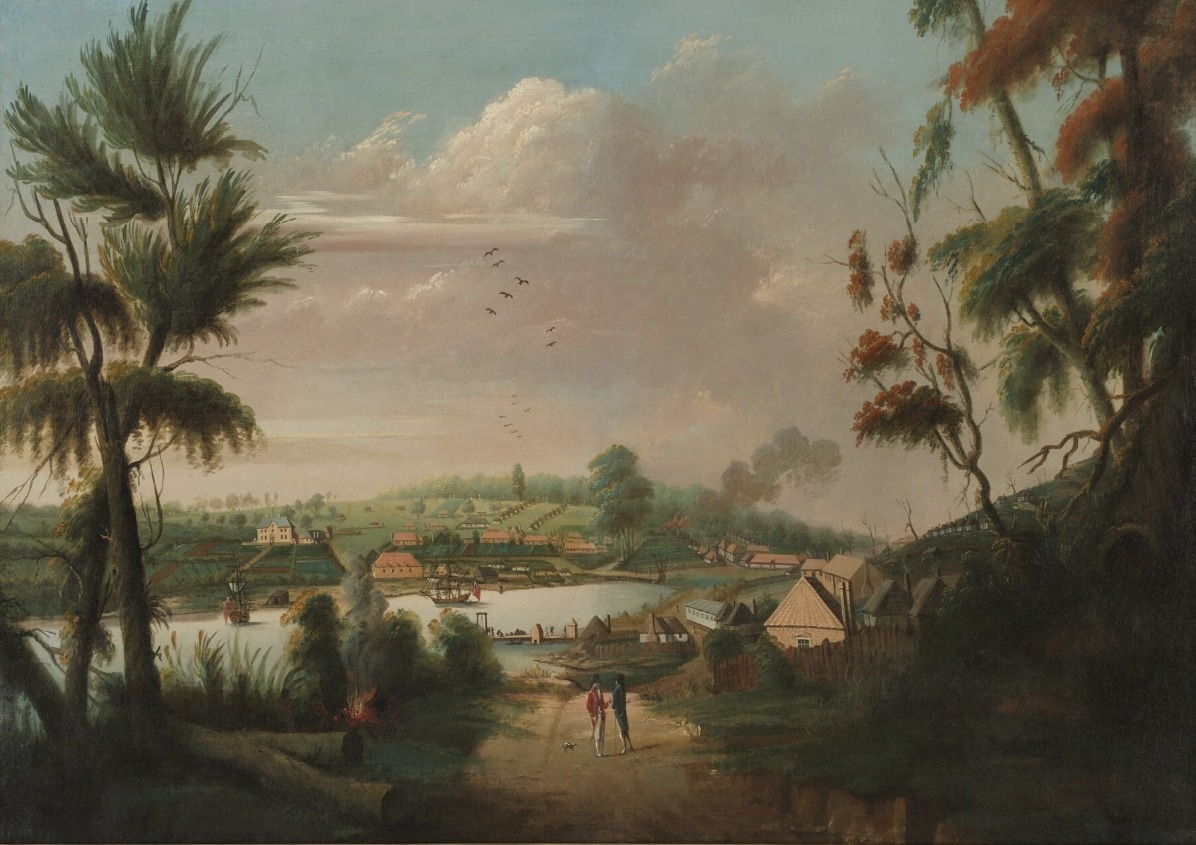

A direct north general view of Sydney Cove... 1794... / oil painting | Dixson Galleries:State Library of NSW
Dixson Galleries:State Library of NSW

⬅ See all events from 16 November

Spread the word on your favourite platform!

1816: He Hid the Stolen Goods in His Own Well: a Blacksmith Hanged in Sydney for Burglary

James Flavell was a blacksmith with a once-thriving trade in Castlereagh Street, next door to a hairdresser named Thomas Reeds. One night that June, Flavell, his servant William Tripp and his apprentice broke through the brick wall between the two houses, stripped Reeds of his clothing and valuables, and hid part of the loot, along with their housebreaking tools, down Flavell's own well. The rest was buried near Farm Cove, and Flavell took his apprentice to a neighbour's house afterwards to build himself an alibi.

The scheme unravelled when an accomplice turned Crown witness, and when the apprentice later found a silk handkerchief floating in the well and was told by his master to lie about where he had found it. Flavell and Tripp were convicted of burglary and hanged in Sydney on 15 November 1816, alongside a third man executed for cattle theft.

According to the newspaper report, the condemned men conducted themselves in their final moments in a becoming manner and died penitently.

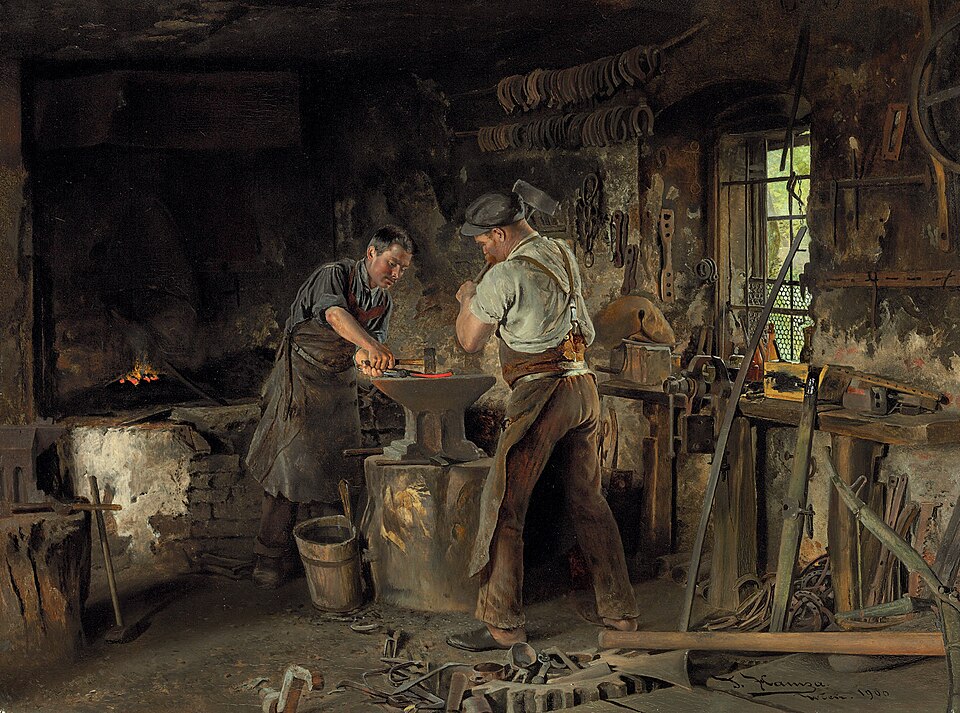
The Blacksmith's Forge: by Johann Hamza

⬅ See all events from 15 November

Spread the word on your favourite platform!

1816: Transported Once for Burglary, Hanged a Second Time in Sydney.

Already transported once for burglary in England, William Tripp was serving as a blacksmith's servant in Sydney when he and his master, James Flavell, cut a hole through the brick wall of the house next door and emptied a hairdresser's boxes of clothing and valuables on the night of 6 June 1816.

The theft unravelled when an accomplice turned Crown witness, and Flavell's apprentice later found a stolen silk handkerchief floating in his master's well, where the burglary tools and loot had been hidden; the boy was told to say he had found it in the garden instead. The court was told Tripp had already been given one chance at reform after his earlier conviction and had chosen crime again. He was hanged alongside Flavell on this day in 1816 for the burglary.

The pair were reported to have met their deaths 'in a becoming manner', and to have 'died penitently'.

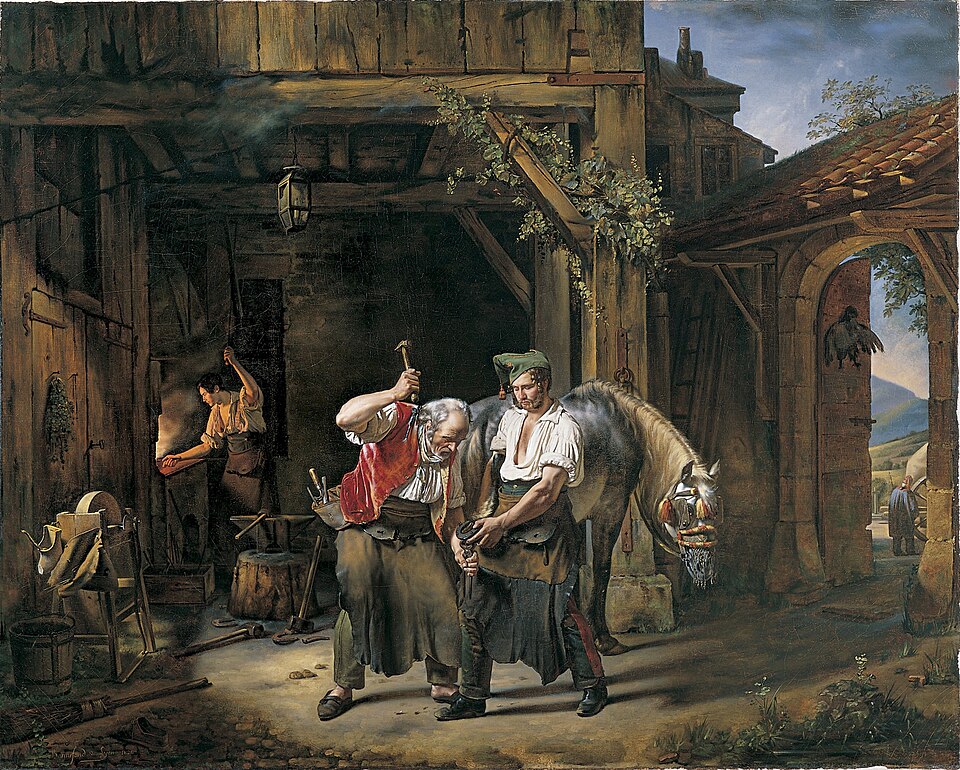
The Blacksmith by Jean-Claude Bonnefond

⬅ See all events from 15 November

Spread the word on your favourite platform!

1816: Betrayed by the Same Informer Twice: Hugh McLarie Hanged in Sydney for Highway Robbery

Hugh McLarie and his gang lay in wait on the Parramatta Road one morning in July 1816, ambushing a line of carts before dawn, knocking the drivers to the ground and making off with a keg of spirits, bolts of cloth and a haul of clothing from the cart of John Andrews. The robbery unravelled when Edward Dempsey, one of the raiders, turned King's evidence and gave the court a detailed account of the ambush.

It was not the first time Dempsey's testimony had put McLarie in the dock. Weeks earlier the same informer had helped convict him over a break in at a Sydney shop, naming him as one of the men who carried off baskets of tobacco, coin and clothing hidden in the bush beyond the town.

McLarie was hanged in Sydney on 1 November 1816 for the Parramatta Road robbery.

He confessed his crime before the scaffold and, the record states, died penitent.

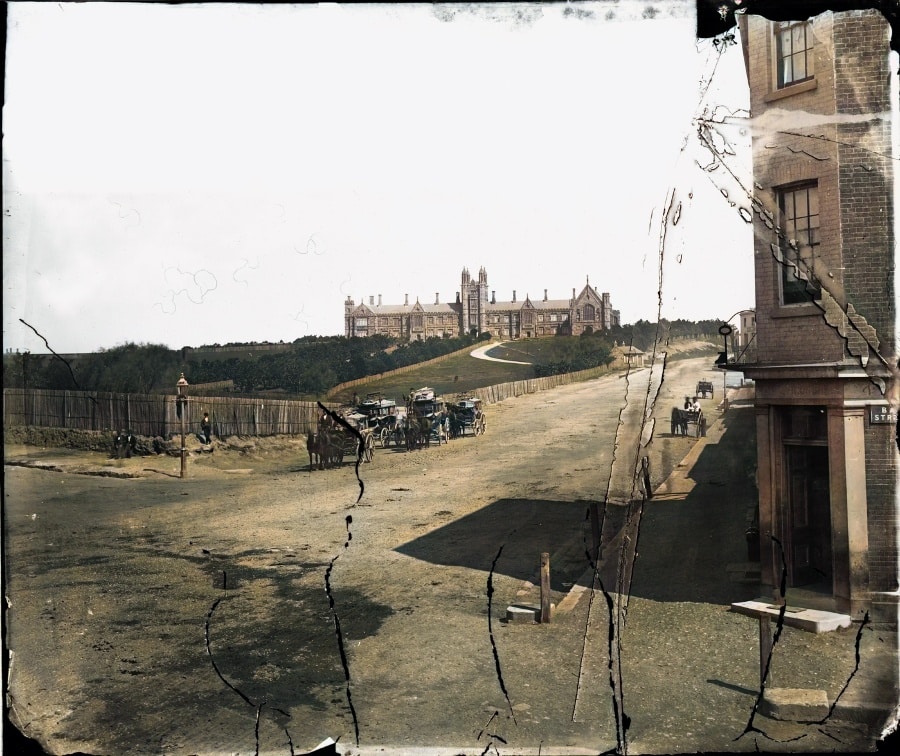
Horse-drawn omnibuses on Parramatta Road, Sydney, c. 1870–1875. Mitchell Library, State Library of NSW.

⬅ See all events from 1 November

Spread the word on your favourite platform!
On This Day in True Crime History

Subscribe to Dark Stories

True crime stories, dark history and tour news, straight to your inbox.