1866: America’s First Train Robbery: the Reno Gang Strikes Near Seymour, Indiana

On the night of October 6, 1866, three members of the Reno Gang boarded an Ohio and Mississippi Railway train as it pulled out of Seymour, Indiana, overpowered the express guard and cracked open a safe holding roughly 16,000 dollars. They then shoved a second, heavier safe off the moving train for the rest of the gang to finish the job, but could not break it open before a posse closed in and they fled. It was, as far as anyone could tell, the first train robbery in American history.

The job, pulled off by brothers Frank, John, Simeon and William Reno, became the blueprint for a wave of copycat train robberies across the Midwest. Within two years the brothers paid for it dearly: dragged from jail cells by masked vigilantes and hanged, most of the gang’s stolen fortune never recovered.
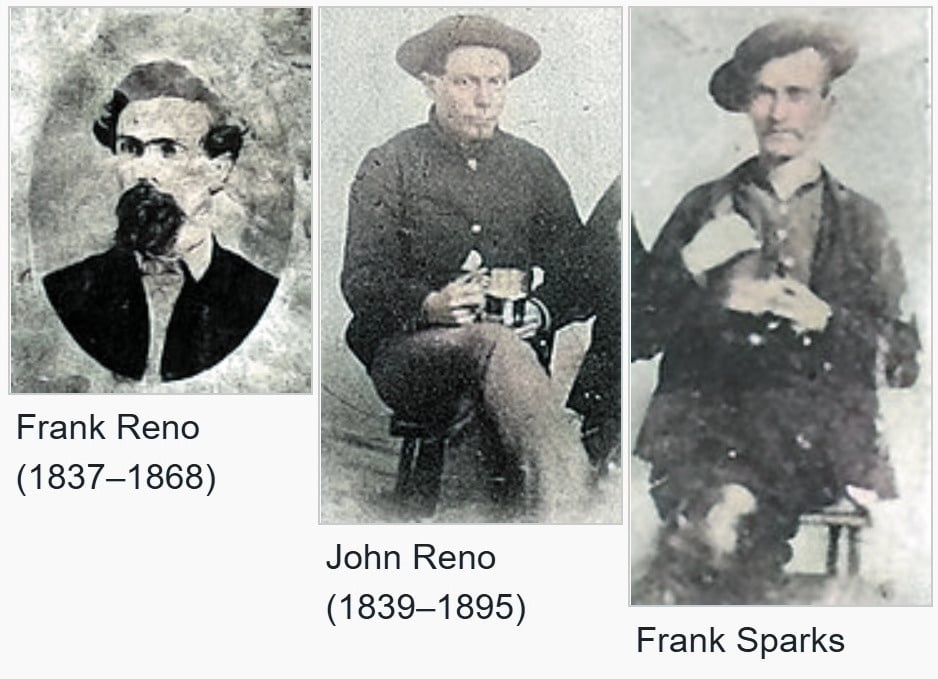

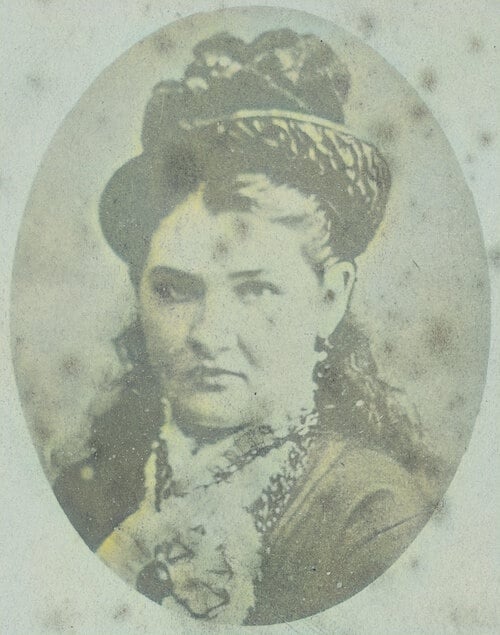
Portrait of the Reno Brothers members of the Reno Gang train robbers

⬅ See all events from 6 October

Spread the word on your favourite platform!

1882: The Last Outlaw Surrenders: Frank James Hands Over a Gun Untouched Since 1861

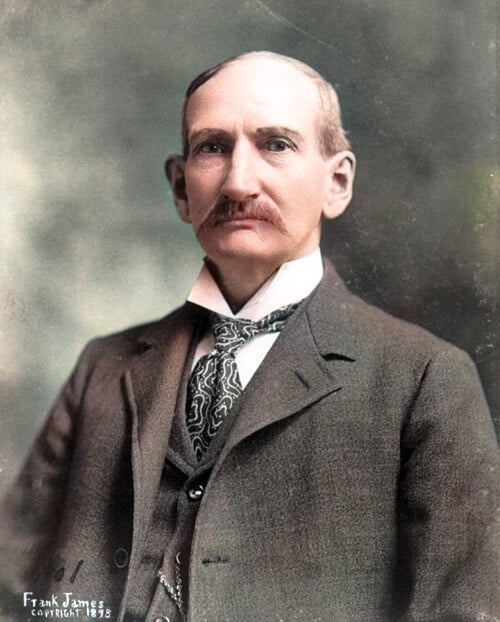
Five months after his brother Jesse James was gunned down in 1882, Frank James boarded a train to the Missouri state capital and laid his revolver in the hands of Governor Crittenden. “I have been hunted for twenty-one years,” he said, “have literally lived in the saddle… It was one long, anxious, inexorable, eternal vigil.” He added that he had never let another man touch his gun since 1861.

Tried for only two of the gang’s robberies and killings, in Missouri and Alabama, James was acquitted both times, helped by testimony from a former Confederate general. He was never extradited over the infamous Northfield raid and never spent a day in prison. He spent his remaining three decades as a shoe salesman, a racetrack official and a tour guide on the old family farm, where he died in 1915 at the age of 72.

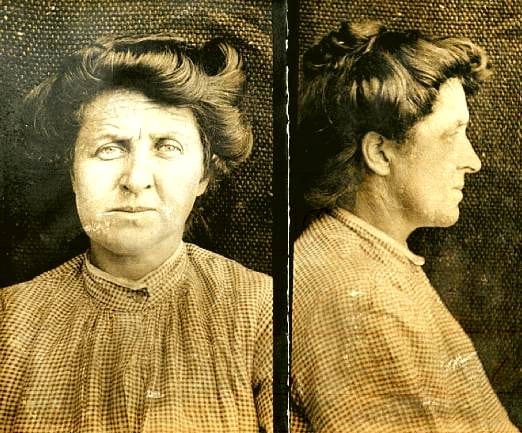
Frank James outlaw and criminal figure

⬅ See all events from 5 October

Spread the word on your favourite platform!

1853: A Hanged Bushranger’s Corpse Put on Display in a Melbourne Shop Window

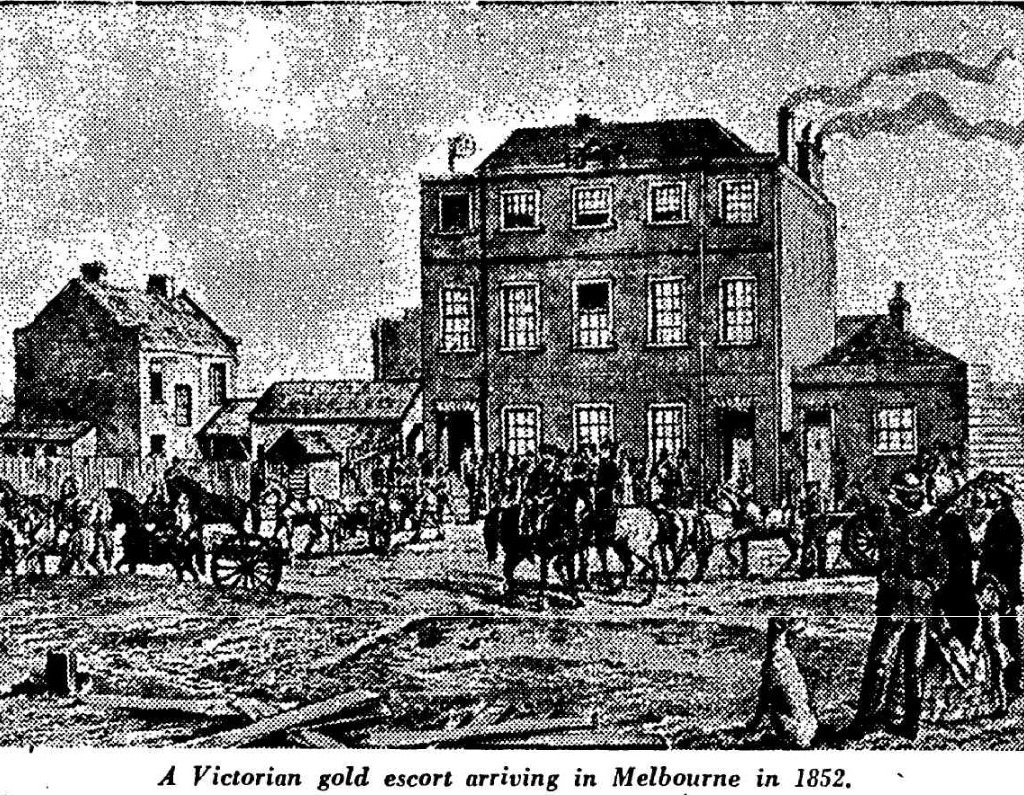
Within hours of his execution, the body of bushranger George Melville was handed to his widow, decorated with ribbons and laid out in the window of their oyster shop in Little Bourke Street. The Argus called it a disgusting and inhuman act, presuming it was staged simply to draw in customers.

Melville had been hanged at Melbourne Gaol alongside William Atkins and George Wilson for the Private Escort gold robbery near Kalkallo, an ambush that left four mounted troopers shot, one of them fired on again as he lay wounded on the road. All three had been identified after an accomplice turned informer to the police before taking his own life with a razor.

None of the condemned made a clear confession. Wilson used his final moments on the scaffold to forgive the witnesses who had convicted him, while Melville, claiming the crowd could not hear him, simply said he could not make himself heard and wished them all a very good morning.

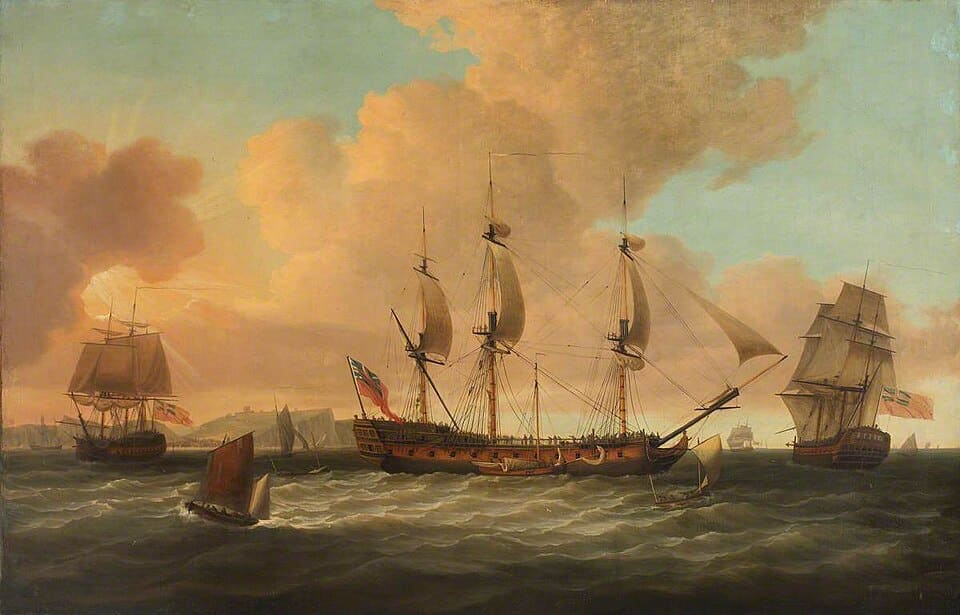
Victorian gold escort arriving in Melbourne 1852.

⬅ See all events from 3 October

Spread the word on your favourite platform!

1863: The Mob Wanted to Lynch Him on the Spot: A Bushranger Hanged at Maitland for Murdering a Brave Drover

On Warland’s Range near Murrurundi in April 1863, a masked rider named Henry Wilson held up a party of drovers and stripped young Peter Clarke of his watch and chain. When Clarke lunged at him, Wilson shot him three times; Clarke was dead within minutes. So furious was the crowd that gathered at the scene that police had to physically stop them from hanging Wilson on the nearest tree.

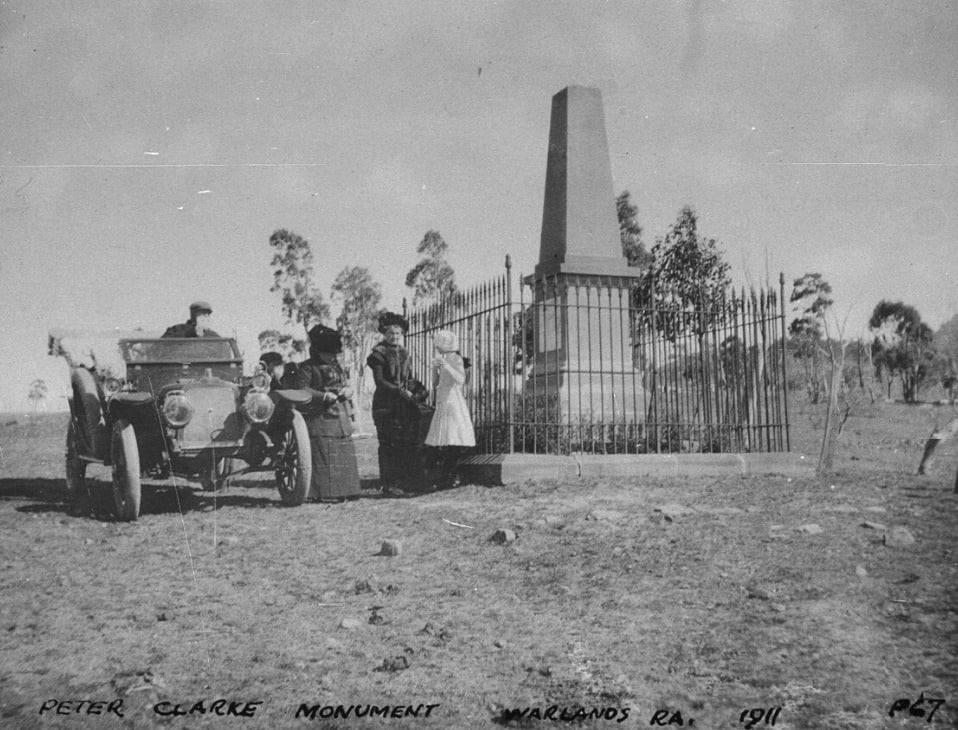
He was tried instead at Maitland Circuit Court, where his counsel argued the fatal shot had gone off accidentally in the struggle. The jury took ten minutes to convict him, and he was hanged at East Maitland Gaol on 2 October 1863. Clarke’s bravery was later honoured with a public monument erected on the spot where he fell.

Wilson admitted firing the shots but denied meaning to kill, blaming drink and panic in the scuffle; still, he told his priest he accepted the justice of his sentence and deserved to die.

Peter Clarke monument, Warland’s Range, near Blandford, NSW. Mitchell Library, State Library of New South Wales, At Work and Play - 05492.
Peter Clarke monument, Warland’s Range, near Blandford, NSW. Mitchell Library, State Library of New South Wales, At Work and Play – 05492.

⬅ See all events from 2 October

Spread the word on your favourite platform!
On This Day in True Crime History

Subscribe to Dark Stories

True crime stories, dark history and tour news, straight to your inbox.