1830: Flogged for Skinny-Dipping, He Led a Bushranger Uprising That Ended With Ten Hanged at Bathurst

Ralph Entwistle was a transported labourer assigned to a farm near Bathurst when he and a fellow convict stopped to cool off in the Macquarie River after a long cart journey. Governor Ralph Darling's touring party happened to pass by, and though Darling had not even seen the incident, the local magistrate had both men flogged for the affront. Within a year the humiliated Entwistle had turned bushranger, building a band that swelled to as many as 80 men, the largest convict uprising in New South Wales since 1804, known as the Ribbon Gang for the white streamers he wore in his hair.

The rebellion turned deadly when the gang descended on a farm seeking revenge on the magistrate who had ordered the floggings. The overseer, James Greenwood, refused to free the farm's convict servants and bared his chest, daring the bushrangers to shoot, telling them they were not game enough. Entwistle and two others fired, killing him instantly.

Weeks of gun battles with troopers and soldiers followed before the gang was run down and captured. On 2 November 1830, ten of the bushrangers, including Entwistle, were publicly hanged at Bathurst, six for Greenwood's murder and four for plundering farmhouses. Their bodies were left on display for a day as a warning before being buried in two mass graves of five.
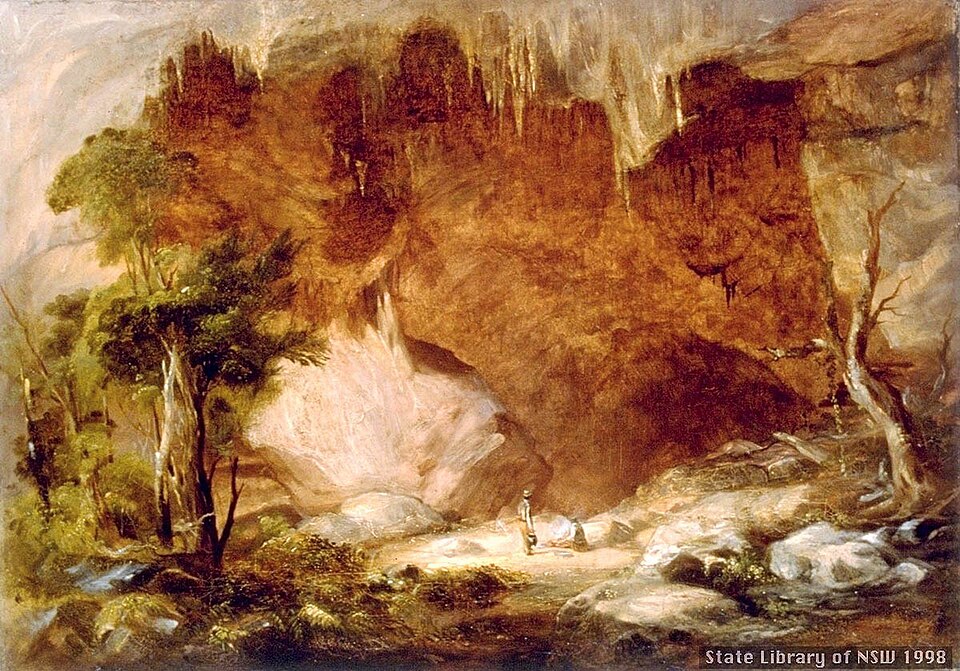

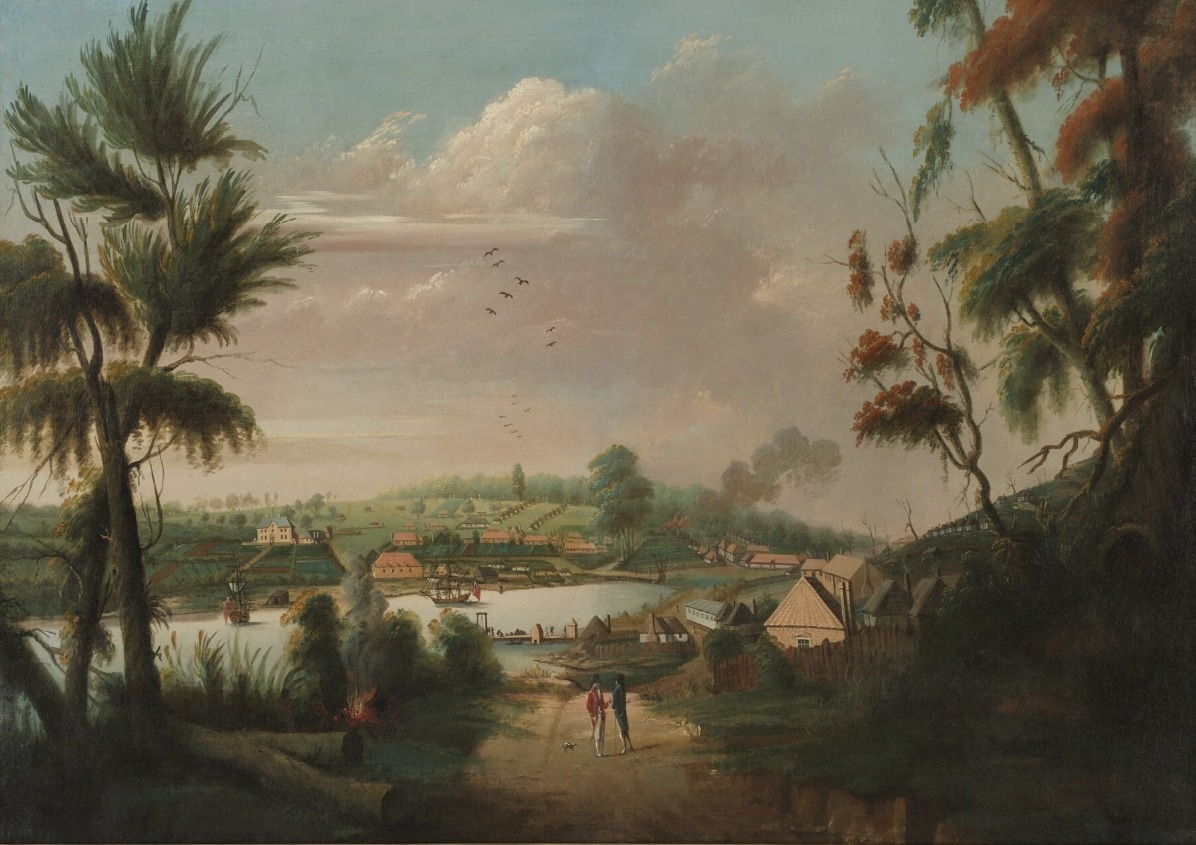
Abercrombie Caves: Burrangalong Cavern, Rockbridge Creek, 1849 / oil painting by Conrad Martens

⬅ See all events from 2 November

Spread the word on your favourite platform!

1790: He Survived One of Australia's Deadliest Convict Voyages, Then Was Hanged Four Months After Landing

Edward Wildblood sailed to New South Wales on the Second Fleet ship Surprize, a voyage so brutal that dozens of convicts died before it even reached Sydney in June 1790. He was one of the lucky ones, stumbling ashore half starved after months chained below deck, only to find the colony offered little mercy either.

Within three months he and fellow convict William Harris had taken to the bush around Rose Hill, the settlement that would become Parramatta, robbing huts and killing a settler's goat. Caught and sent back to labour in irons on bread and water, the pair slipped away again during their overseer's absence, broke into a hut and beat its lone occupant, a sick settler, before making off with beef, flour, a frock and a book. Tried and convicted on 28 October 1790, Wildblood and Harris were hanged that same day at Rose Hill, their bodies left swinging near the very hut they had robbed, one of the earliest executions carried out in the colony.

In a remarkable twist of fate, both men were recorded as having been born on the same day, 1 January 1764, only to die together on the same day, aged just 26, at the end of a hangman's rope.

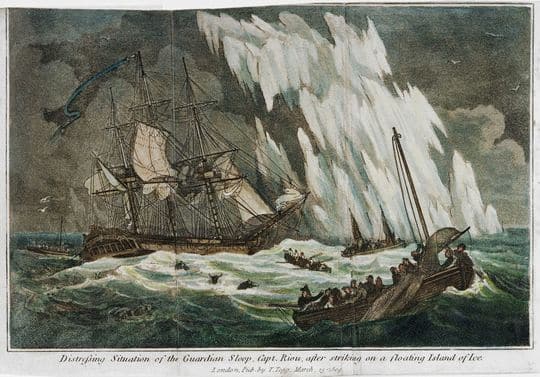
Second Fleet aka The Death Fleet in distress

⬅ See all events from 28 October

Spread the word on your favourite platform!

1790: Freed From Prison at Dawn, Burgling Again by Dusk: One of the Earliest Hangings Near Sydney.

William Harris had only just walked free from a Birmingham gaol, a three month sentence for robbing an outhouse behind him, when he broke into another house in the same street that same night. Caught in the act, he was convicted of burglary and condemned to death, later reprieved to transportation for life. He survived the notorious Second Fleet voyage aboard the Neptune, one of the deadliest convict crossings in Australia's history, in which scores of prisoners perished before the ship ever reached Sydney.

In the young colony, Harris fell in with fellow convict Edward Wildblood, and the pair spent weeks pilfering from other convicts' huts before fleeing into the bush. Recaptured and chained together on bread and water, they escaped again within weeks and broke into a hut, beating a sick settler and stealing beef, flour, a frock and a book. Tried for the break-in, the two men were hanged together on this day in 1790, among the first executions carried out in the young colony, with settlers gathered to watch them die from a tree.

In an extraordinary coincidence, Harris and Wildblood were both recorded as having been born on 1 January 1764. Their lives would ultimately end together, on the same day and at the same gallows, aged just 26.

Second Fleet aka The Death Fleet in distress

⬅ See all events from 28 October

Spread the word on your favourite platform!

1851: A Razor Hidden in His Pocket: Hanged at Oatlands for Slashing a Constable Across the Face

John Crisp was already serving a life sentence for stealing four ducks and two turkeys when he was being escorted to the watch-house at Swanport by two constables. Within sight of the building, he drew a razor from his pocket and slashed the prosecutor, William Donohoo, across the face, a gash running from near his mouth almost to his left ear.

Crisp was tried and convicted of wounding with intent to inflict grievous bodily harm, and was hanged at Oatlands on this day in 1851. The second constable escorting him, a pensioner on his very first night of duty, resigned from the force the following day.

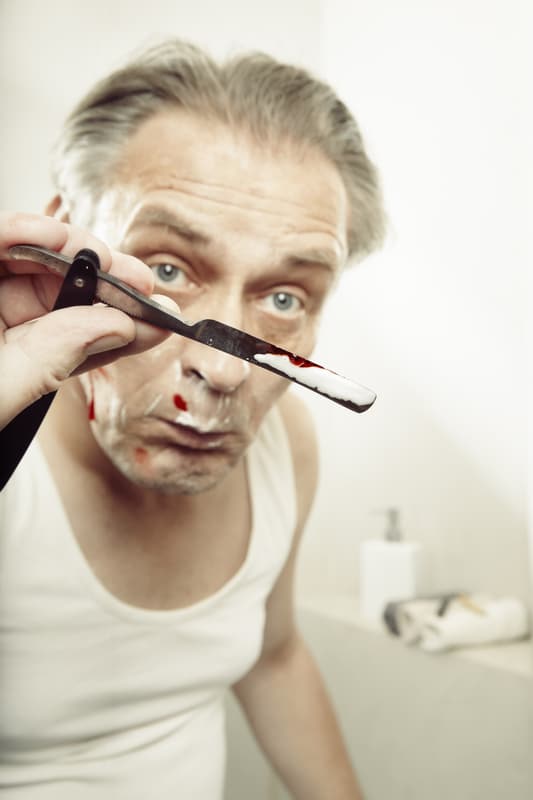
Razor Blades: Good for shaving...and for murder

⬅ See all events from 27 October

Spread the word on your favourite platform!
On This Day in True Crime History

Subscribe to Dark Stories

True crime stories, dark history and tour news, straight to your inbox.