1863: One Shot from the Bush: the Outlaw Whose Rescue Attempt Killed His Brother

Larry Cummins was 20 when a Goulburn jury convicted him of armed robbery and he was sentenced to fifteen years of hard labour, the first in irons. His accomplice in the hold-up, both men with blackened faces, had been his 18-year-old brother. And the charge everyone was talking about had already been dropped: the murder of that same brother.

Weeks earlier, police had found the younger Cummins hiding in the loft of his mother’s hut. He fired twice at the constables before surrendering, and they saddled one of the family’s own horses to take him to the lockup. Eight miles along the track a single shot rang out from the bush. It struck the prisoner behind the ear; he “gave one groan” and died. The constables never saw the gunman, only heard a horse galloping away. The shot was assumed to have been meant for the constable, and the man behind it to be Larry, trying to set his brother free. There was not enough evidence to try him for it.

Three years later Cummins escaped from Berrima Gaol by crawling through 120 yards of sewer, only to be recaptured within months. Released in 1876, he lived out his days in Victoria under another name, as a drover and whipmaker, and died in 1909.
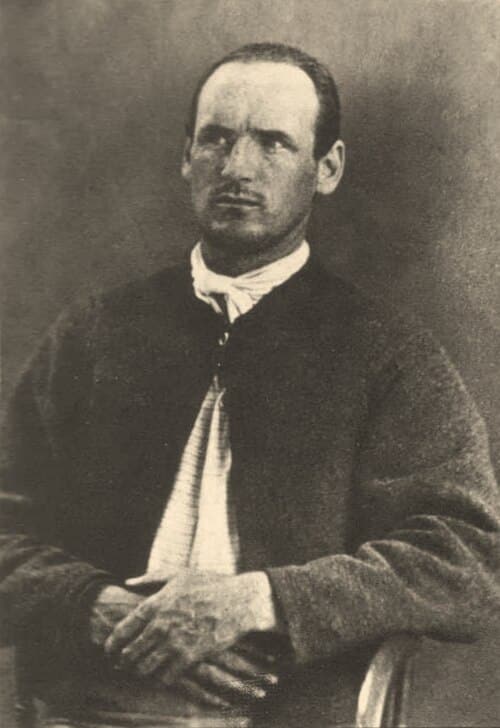

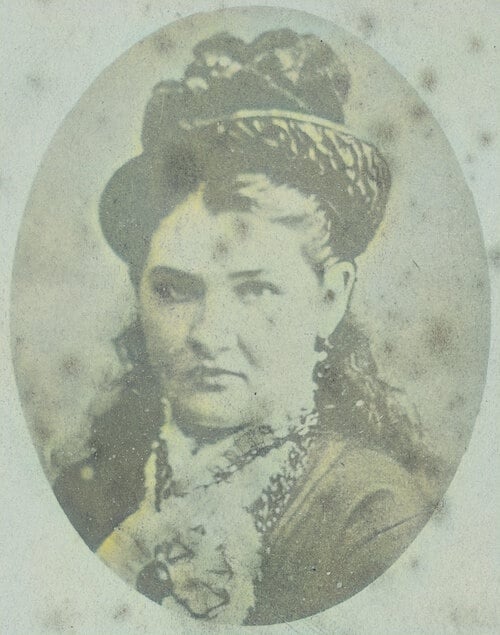
Sepia portrait of bushranger Larry Cummins 1843 to 1909

⬅ See all events from 24 September

Spread the word on your favourite platform!

1983: The KFC Murders: Five Shot Execution-Style in Texas

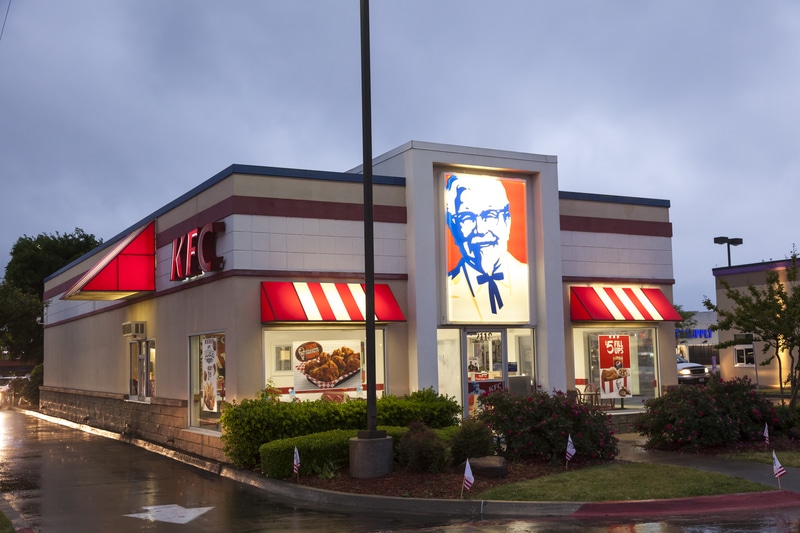
On the night of September 23, 1983, armed robbers held up a Kentucky Fried Chicken restaurant in Kilgore, Texas, just before closing. Five people inside, three employees and two friends waiting for one of them, were abducted and driven to a field on County Road 232, where each was shot in the back of the head and torso. The victims were identified as David Maxwell, 20, Joey Johnson, 20, Monty Landers, 19, Mary Tyler, 37, and Opie Hughes, 39.

The case went unsolved for over two decades. A torn fingernail found on one body once led investigators to arrest James Earl Mankins Jr., the son of a state representative, but DNA testing proved the fingernail was not his and he was released before trial.

In November 2005, cousins Darnell Hartsfield and Romeo Pinkerton, both already imprisoned on other charges, were arrested and charged with capital murder. DNA evidence pointed to a third, then-unidentified man involved in the killings and the rape of Hughes. Pinkerton denied any involvement, yet that October he pleaded guilty to five lesser counts of murder and received five concurrent life sentences.

The mystery of the third perpetrator was not resolved until decades later: in 2023 the Texas Rangers reopened the case, and DNA testing in 2025 finally identified him as Devan Riggs, a man who had died in 2010 without ever facing charges.

Kentucky Fried Chicken Restaurant at night. DALLAS, Tx, USA - APR 17, 2016: Exterior of a Kentucky Fried Chicken (KFC) fast food restaurant illuminated at night. Dallas, Texas, United States | ID 73870204 © Typhoonski | Dreamstime.com
ID 73870204 © Typhoonski | Dreamstime.com

⬅ See all events from 23 September

Spread the word on your favourite platform!

1933: The Michigan City Breakout: Ten Men Escape Using Guns Smuggled by John Dillinger

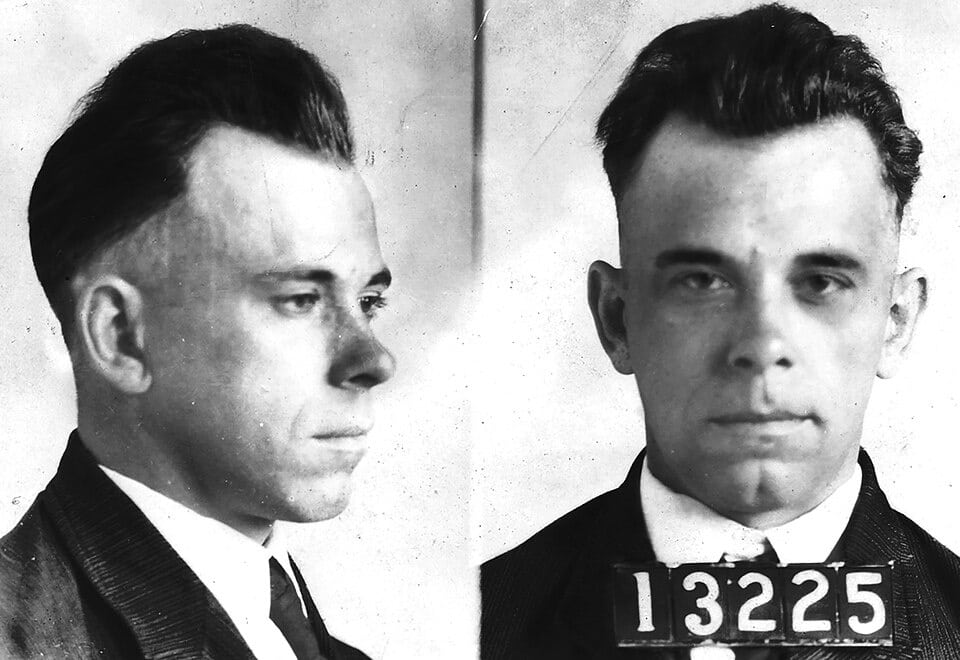
On September 22, 1933, ten prisoners broke out of the Indiana State Prison at Michigan City in a violent escape that killed two guards. The breakout was planned from inside by seasoned bank robber Harry Pierpont, with handguns smuggled to the crew by John Dillinger, freshly paroled after nine years behind bars, using arrangements made by Pierpont’s girlfriend.

In a strange twist, Dillinger himself was not among the men who walked free that day. Just days earlier he had been arrested and jailed in Dayton, Ohio, meaning his former cellmates had to turn around and break him out shortly after springing themselves. The escapees would go on to form the core of the notorious Dillinger gang, launching a violent crime spree across the American Midwest.

A Government agent later wrote that Dillinger’s career “graphically illustrates the inadequacies of our system,” noting that nine years in prison had done nothing to rehabilitate a man determined to become a professional bank robber.

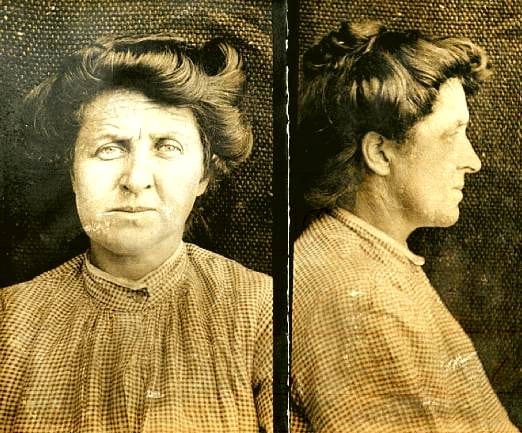
John Dillinger 1924 mugshot

⬅ See all events from 22 September

Spread the word on your favourite platform!

1826: Nine Hanged in a Single Day at Hobart, All for Sheep Stealing and Burglary

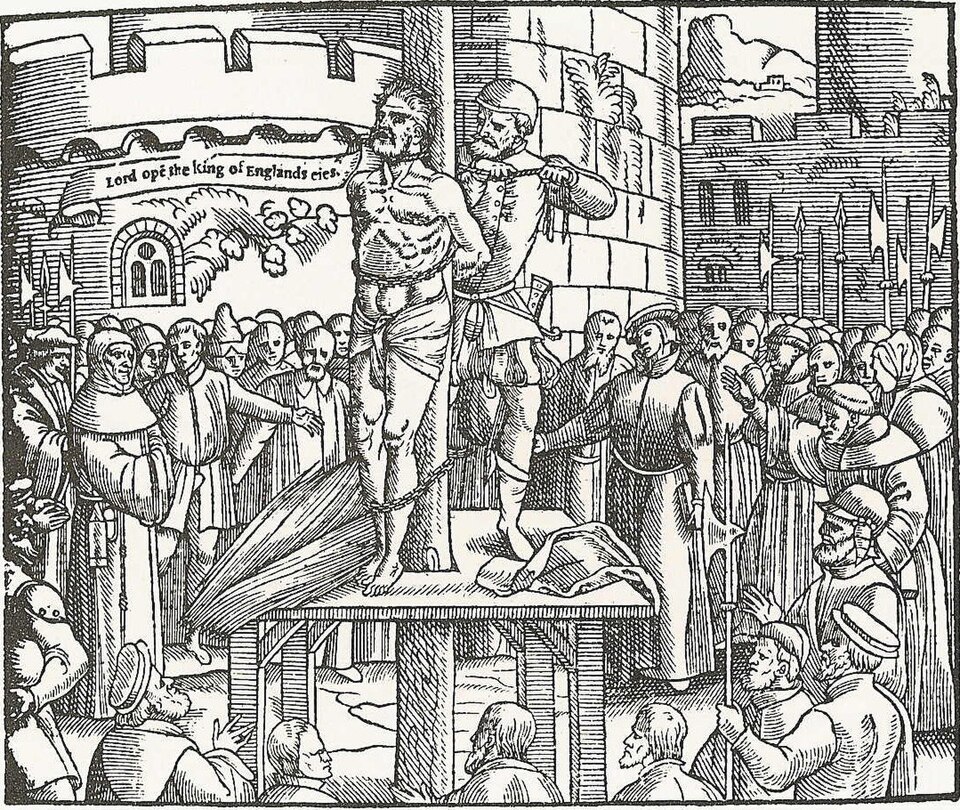
On September 18, 1826, nine convicts went to the gallows together in Hobart under Lieutenant-Governor George Arthur’s ruthless enforcement of Britain’s Bloody Code, the doctrine that made property crime a capital offence equal to murder. Not one of the nine had killed anyone: George Farquharson, Robert Cable, Thomas Savell, John Davis and John Cruitt were hanged for sheep stealing, John Penson, Timothy Swinscow and William Wickens for burglary, and James Rowles for theft.

The hangings were part of the largest cluster of executions recorded in Van Diemen’s Land that year, twenty three people put to death over a single fortnight in mid September 1826. Earlier hangings that month, on September 13, had targeted actual killers; those on September 15 and 18 were reserved entirely for non-violent property offenders, a deliberate signal from Arthur to a colony economically dependent on settler flocks and stores.

Sheep stealing in particular was treated by the colonial administration as an existential threat to the fledgling economy of the penal settlement, and the September 18 executions were designed as a public deterrent to convicts tempted to raid the herds and homes of free settlers.

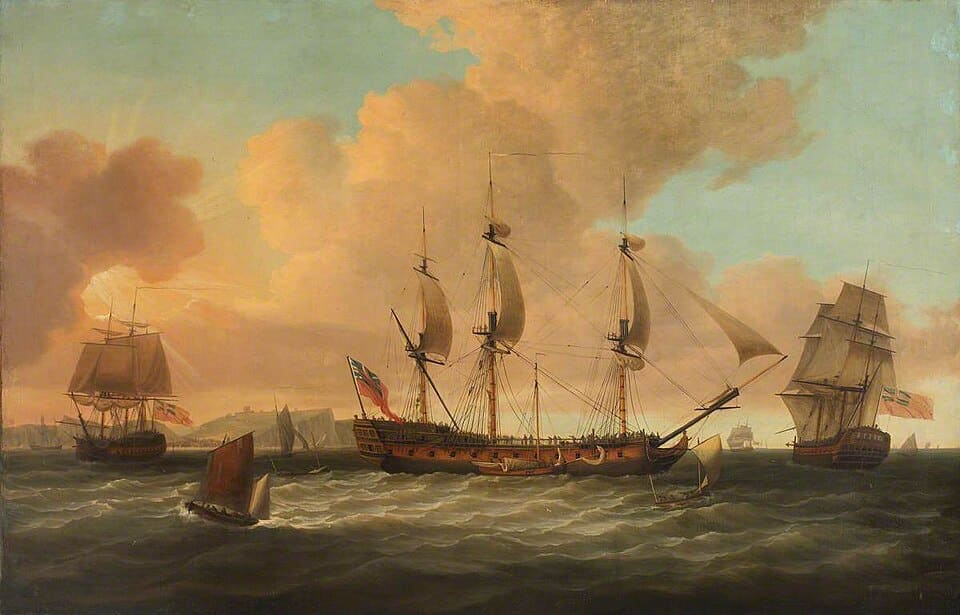
1826 in the Hobart Colony

⬅ See all events from 18 September

Spread the word on your favourite platform!
On This Day in True Crime History

Subscribe to Dark Stories

True crime stories, dark history and tour news, straight to your inbox.