1887: Bloody Sunday: London Police and Troops Crush an Unemployed Workers Protest in Trafalgar Square

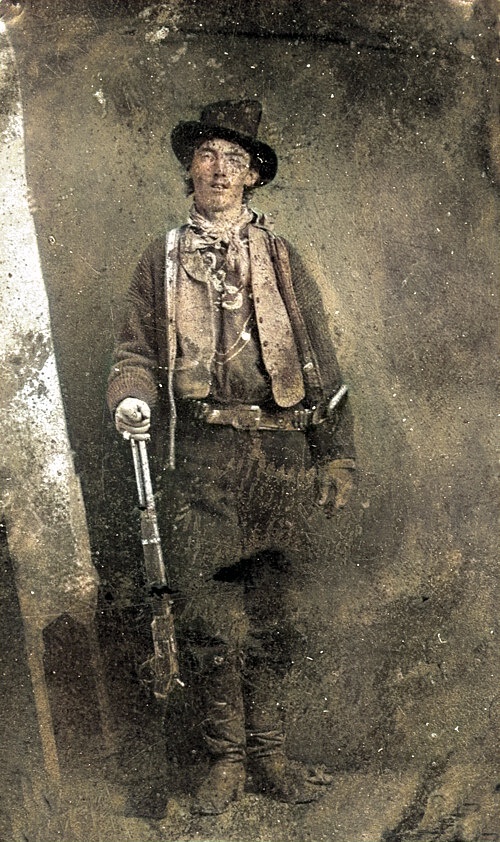
Tens of thousands of unemployed workers and Irish protesters converged on Trafalgar Square in London on this day in 1887, defying a police ban to demand jobs and the release of an imprisoned Irish MP. Commissioner Charles Warren met them with 2,000 constables and 400 soldiers under fixed bayonets; a local manufacturer even offered his steam fire engine as an improvised water cannon to clear the crowd, an offer Warren turned down.

The baton charges that followed left two or three protesters dead and hundreds injured, with 400 arrests made amid iron bars, knives and broken glass. Organisers including John Burns and Robert Cunninghame-Graham were jailed for six weeks, while Annie Besant, who addressed the crowd, was never charged.

The violence was not over. The following Sunday a young clerk named Alfred Linnell was run down by a police horse during a second demonstration, dying a fortnight later from his injuries; his funeral drew thousands and turned him into a martyr for the cause.
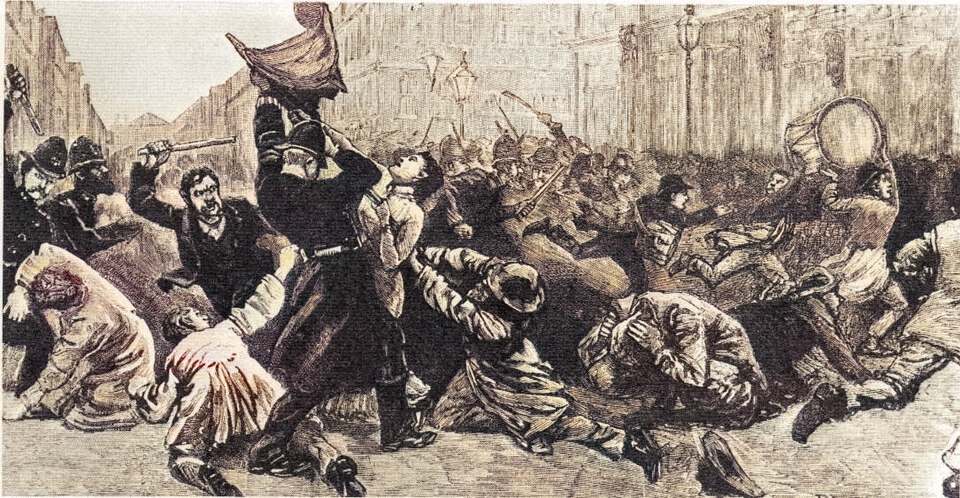

Bloody Sunday, London, 1887. Illustration from The Illustrated London News.

⬅ See all events from 13 November

Spread the word on your favourite platform!

1993: The Phone Call That Named Ivan Milat: a Survivor Finally Reports the Man Called Bill

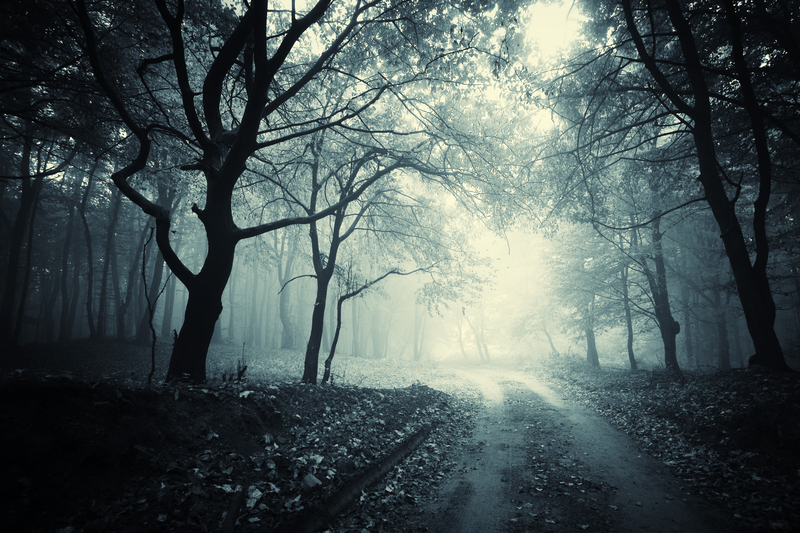
Paul Onions had carried the memory for three years. In 1990 a stranger who called himself Bill picked him up hitchhiking in New South Wales, drove him toward Belanglo Forest, then produced a gun and rope. Onions fled the car and flagged down a passing driver, escaping with his life while the man he knew only as Bill disappeared back into the bush.

He returned home to England believing it was over, until news reports of bodies found in the same forest reached him. On this day in 1993, Onions rang Australian police from England and described Bill in detail, down to his name. The description matched Ivan Milat exactly, and it became the thread that unravelled one of the country's most notorious serial killings, leading investigators directly to the man responsible for the backpacker murders.

Belanglo has a Dark History

⬅ See all events from 13 November

Spread the word on your favourite platform!

1963: The Royal Commission That Cleared Brisbane Police, Then Unravelled as a Cover-up

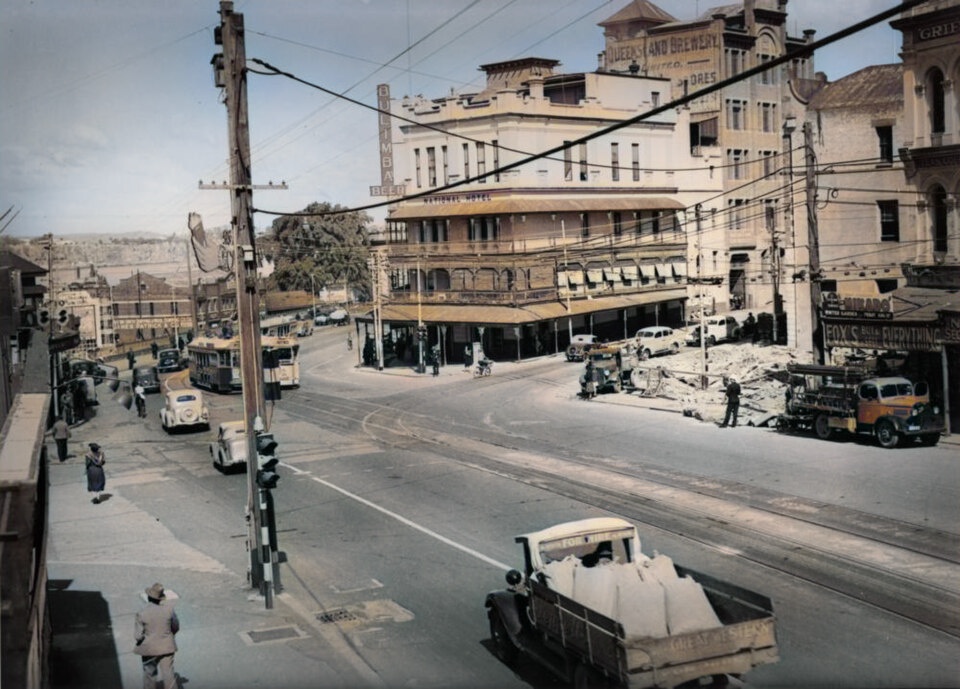
A Queensland judge was appointed on this day in 1963 to investigate claims that police, including the state's own police commissioner, frequented Brisbane's National Hotel and turned a blind eye to an illegal call girl racket run out of its rooms. Justice Harry Gibbs was handed narrow terms of reference and a police force left to investigate itself, and the following year he cleared every officer involved, finding no acceptable evidence of misconduct.

The truth surfaced years later. Key witness Shirley Brifman admitted she had perjured herself before the commission after being coached by detective Tony Murphy, one of the very officers she had been questioned about. Brifman was due to give evidence against Murphy at his perjury trial when she died in suspicious circumstances at a police safe house, just over a fortnight before she was to take the stand. The case against Murphy collapsed, and the full extent of the cover-up was not exposed until a later inquiry decades on.

National Hotel, Brisbane circa 1939

⬅ See all events from 12 November

Spread the word on your favourite platform!

1867: The Magistrate Who Rode With the Gold Escort: Arrested for Murdering His Own Troopers

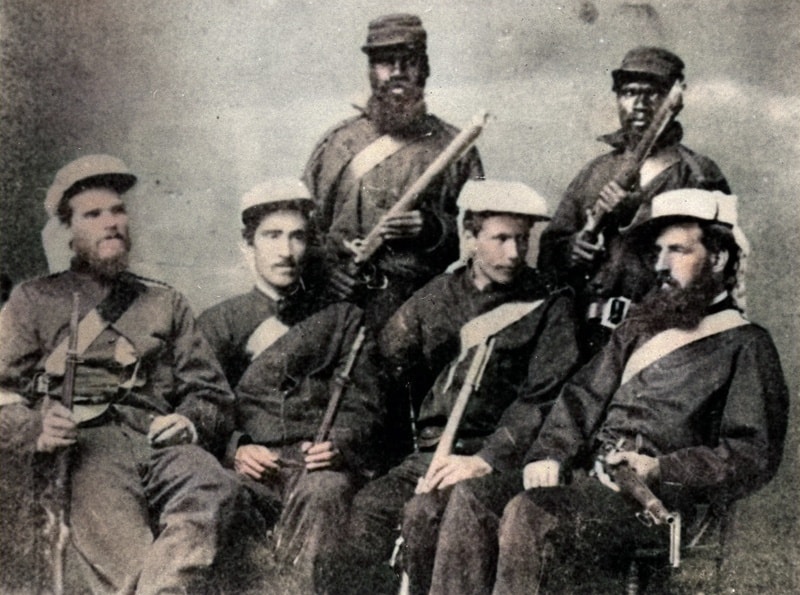
Thomas Griffin was the police magistrate entrusted with escorting a gold shipment through remote country in Queensland, riding alongside two troopers, Power and Cahill. The gold never reached its destination, and when the troopers were found dead, a doctor's examination uncovered bullet wounds hidden in their skulls, wounds that had at first gone unnoticed.

On 11 November 1867, a detective lured Griffin into casual conversation at the murder scene, a distraction that let Sub-Inspector Elliott seize and handcuff him before he could react. Griffin's response was almost clinical in its calm: he said he could only expect to be arrested, since he was the last person known to have been in the company of the victims.

The Clermont Gold Escort, 1867. Murder victims Cahill and Power (second and third from left), with their killer Griffin (right). Queensland Police Museum, PM0680a.

⬅ See all events from 11 November

Spread the word on your favourite platform!
On This Day in True Crime History

Subscribe to Dark Stories

True crime stories, dark history and tour news, straight to your inbox.