1975: The Hunt Ends: Patty Hearst, Newspaper Heiress Turned Fugitive, Captured by the FBI

Patty Hearst, granddaughter of newspaper magnate William Randolph Hearst, was abducted from her Berkeley apartment in February 1974 by the self-styled Symbionese Liberation Army, a small but violent radical cell. Within weeks the group released tapes in which she renounced her family and adopted the nom de guerre Tania, and in April 1974 she was photographed wielding a rifle during the SLA’s armed robbery of a Hibernia Bank branch in San Francisco.

For nineteen months Hearst remained with her captors turned comrades as the group moved between safe houses, evading one of the largest manhunts in FBI history. She was finally arrested in San Francisco on September 18, 1975, and later stood trial for bank robbery, where her defence argued she had been brainwashed and coerced.

Convicted despite that defence, Hearst was sentenced to prison, but her sentence was commuted by President Jimmy Carter and she was granted a full pardon by President Bill Clinton in 2001.
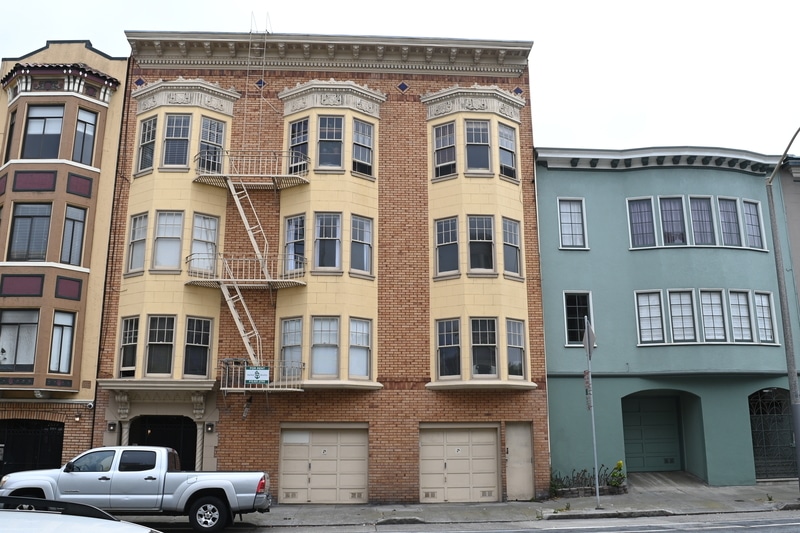

Patty Hearst hideout, Golden Gate Avenue, San Francisco

⬅ See all events from 18 September

Spread the word on your favourite platform!

2002: The Monster Butler Archibald Hall Dies in Prison as the Oldest Whole-Life Inmate in Britain

Archibald Hall began as a teenage thief in Glasgow before reinventing himself behind bars, studying antiques and taking elocution lessons to erase his Scottish accent. He adopted the alias Roy Fontaine, borrowed from actress Joan Fontaine, and used the new identity to work as a butler to British aristocracy.

The disguise concealed a killer. In 1977, Hall shot a gamekeeper during a staged rabbit hunt after the man threatened to expose his criminal past, then buried him beside a stream. Later, while working for a former Labour MP and his wife, Hall and an accomplice suffocated the wife after she caught them plotting to rob the couple. They drugged her husband and drove him to Scotland, where they buried her body before strangling him and beating him with a shovel. The couple’s housekeeper was also murdered during the spree.

Convicted of four murders, Hall was sentenced to life in prison without parole. He died behind bars in Portsmouth, England, with the Monster Butler persona outliving the man who had built it.

The Butler Did Do It

⬅ See all events from 16 September

Spread the word on your favourite platform!

2007: From Acquittal to Arrest: O.J. Simpson Held Over an Armed Raid on His Own Memorabilia in Las Vegas

On September 16, 2007, O.J. Simpson led a group of armed men into a room at the Palace Station Hotel and Casino in Las Vegas, seizing sports memorabilia he insisted had been stolen from him. He was arrested and charged with multiple felonies, including armed robbery and kidnapping, though he denied that anyone in his group had carried a weapon.

The case drew intense attention largely because of who Simpson was: the former football star had been famously acquitted in 1995 of the 1994 murders of Nicole Brown Simpson and Ronald Goldman, one of the most watched criminal trials in American history. More than a decade later, he found himself back in handcuffs, this time over a hotel room confrontation staged to reclaim items he believed were rightfully his.

Assorted vintage sports equipment including helmet and gloves

⬅ See all events from 16 September

Spread the word on your favourite platform!

1826: Property Crimes, Not Murder: Seven Men Hanged in Hobart in a Single Morning

On 15 September 1826, seven convicts, George Brace, John McFarlane, James Edwards, Thomas Balfour, John Dadd, John Clark and Patrick Brown, were hanged together in Hobart, the second of three mass executions carried out that month under Chief Justice John Pedder.

Unlike the seven hanged just two days earlier for murder, not one of this group had killed anyone. Balfour, McFarlane and Edwards went to the gallows for absconding into the bush and robbing settler William Holdship; Brace was hanged for robbery, Dadd and Clark for burglary in Ross, and Brown for stealing sheep, a crime that under Britain’s Bloody Code carried the same legal weight as taking a human life.

The scale of the executions reflected both the severity of imported English law and Governor George Arthur’s determined push to impose discipline on the penal colony. Rather than hang prisoners as they were convicted, the Supreme Court held sentences over and carried them out in batches: seven men on 13 September, seven more on the 15th, and a further nine on the 18th, accounting for nearly half of the 53 executions recorded in Van Diemen’s Land that year.

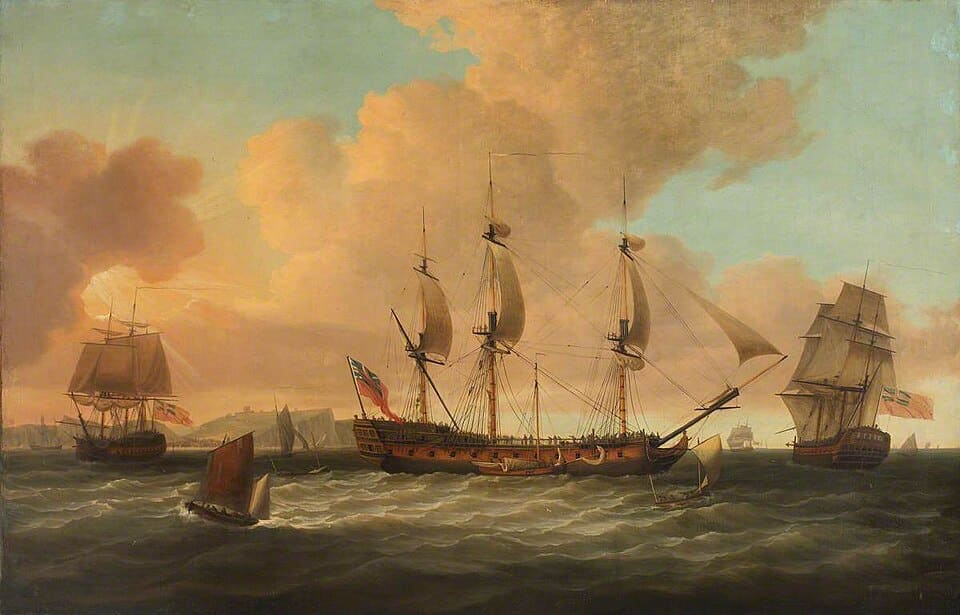
1826 in the Hobart Colony

⬅ See all events from 15 September

Spread the word on your favourite platform!
On This Day in True Crime History

Subscribe to Dark Stories

True crime stories, dark history and tour news, straight to your inbox.