1894: Packed to Flee the Country: H. H. Holmes Caught by Pinkerton Detectives in Boston

H. H. Holmes was already one of America's most notorious killers when the Pinkerton National Detective Agency picked up his trail, tracking him from Philadelphia north to Boston. He had spent months slipping between cities under false names, and investigators suspected he was closing in on an escape from the country altogether, his third wife packed and ready to travel with him.

On this day in 1894, Boston police arrested Holmes, though not for the string of suspicious deaths already drawing scrutiny. He was held instead on an outstanding warrant for horse theft out of Texas, a minor charge that gave authorities the hold they needed while the much darker case against him began to take shape.
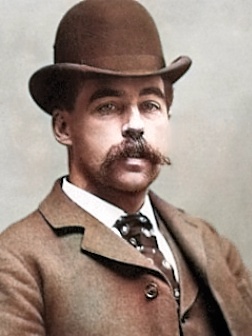

Portrait of H H Holmes

⬅ See all events from 17 November

Spread the word on your favourite platform!

1869: He Faked His Own Death to Escape His First Wife, Then Murdered His Second at Beechworth

James Smith, born Peter Higgins, solved an unhappy marriage in colonial Sydney by faking his own death, having a letter sent to his wife's family claiming he had fallen down a mine shaft and drowned. She rebuilt her life believing herself a widow, remarried, and prospered, while Higgins resurfaced years later under a new name, tracked her down and asked her to take him back. She refused.

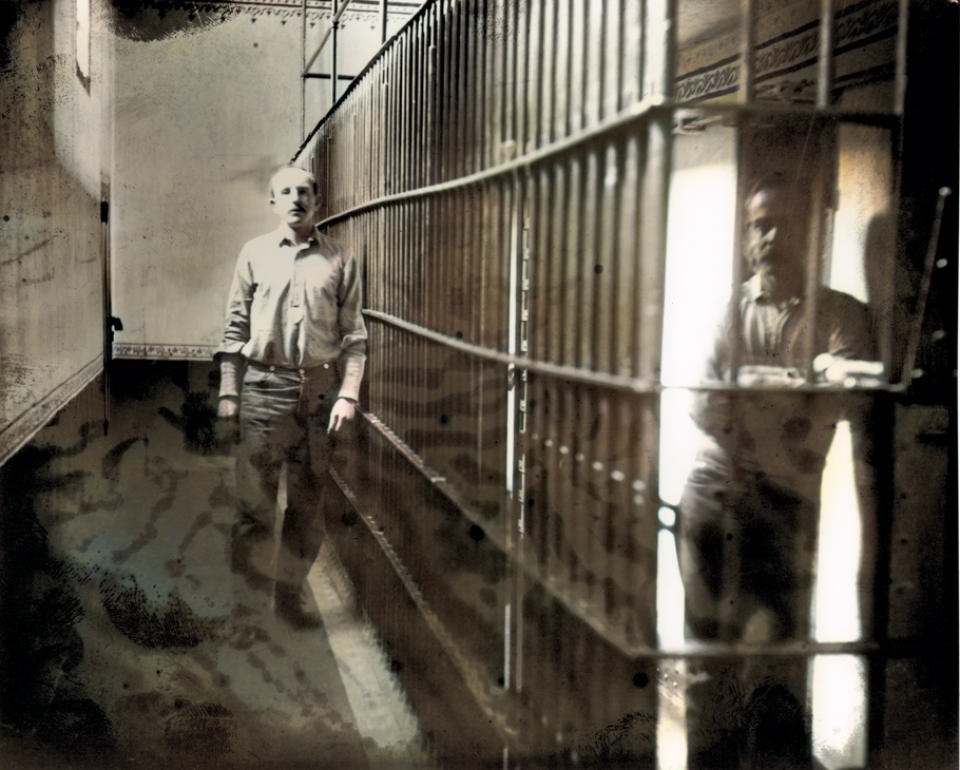
He returned to his second wife, Elizabeth, at a mail station near Beechworth, where their marriage was marked by constant drunken violence and her threats to expose his bigamy. That July, Elizabeth was found dead in their bedroom, her body covered in fresh wounds and broken ribs. Smith was tried and convicted of her murder, and hanged inside Beechworth Gaol on this day in 1869.

At his trial he insisted his wife's injuries had come from being trampled by a loose horse, an explanation the court found impossible to credit; he went to the gallows without ever admitting his guilt.

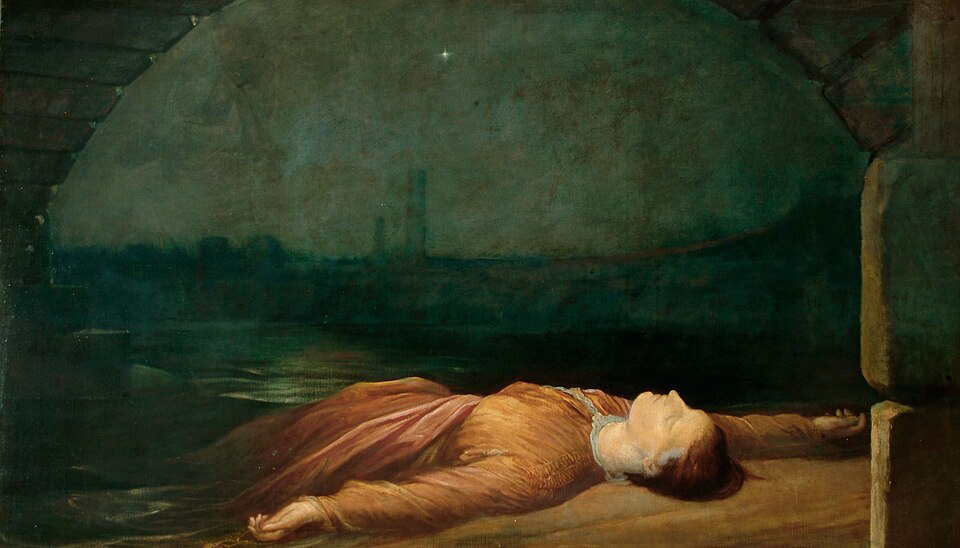
Found Drowned, 1867, by George Frederic Watts. James Smith faked his drowning before facing the scaffold for murder.

⬅ See all events from 11 November

Spread the word on your favourite platform!

1998: 37 Brokerage Houses Pay Record $1.3 Billion, and Not One Person Goes to Jail

No one was handcuffed. No one stood trial. On this day in 1998, 37 Wall Street brokerage houses agreed to pay a record $1.3 billion to settle allegations that they had rigged prices on the NASDAQ stock market for years, systematically widening the spread between buy and sell orders to quietly skim profits from ordinary investors.

It was the largest civil settlement in US history at the time, and that word, civil, is the whole story. The firms admitted no wrongdoing. The money came out of company accounts, not personal fortunes, and the traders who allegedly colluded to fix prices walked away to keep working the same market.

The case became a textbook example of how financial crime on a massive scale is so often processed as a cost of doing business rather than a crime with consequences.

Whether bulls or bears, the house never loses

⬅ See all events from 9 November

Spread the word on your favourite platform!

1867: The Gold Commissioner Who Drugged His Own Escort, Then Shot Them in Their Sleep

Thomas Griffin, Assistant Gold Commissioner on the Queensland goldfields, was entrusted with accompanying a shipment of money from Rockhampton alongside police troopers John Power and Patrick Cahill. The two troopers, childhood friends from Ireland who had joined the Queensland police together, had no reason to suspect that the official travelling with them intended to steal the money and kill them. Before departure, Power had noticed something suspicious about the escort bags and insisted Griffin reseal them, a precaution that would later help establish his guilt. Griffin had already interfered with the shipment, and the two policemen stood between him and the money. When the party camped beside the Mackenzie River, Griffin drugged the troopers' tea with a narcotic. Once they were asleep, he shot each man in the head in the early hours of 6 November 1867, then burned the parcel wrappings in the campfire to conceal evidence of the theft. When the bodies were discovered days later, Griffin told a startled bank manager, "they are shot, you will see if they are not." His suspicious behaviour eventually drew police attention. Investigators secretly dampened his revolver to prevent him from using it and placed him under arrest. Griffin denied the murders at trial but was convicted and sentenced to death. In the weeks before his execution, he attempted to bargain for his life by revealing where he had buried the stolen banknotes, admitting his involvement in the killings in the process.

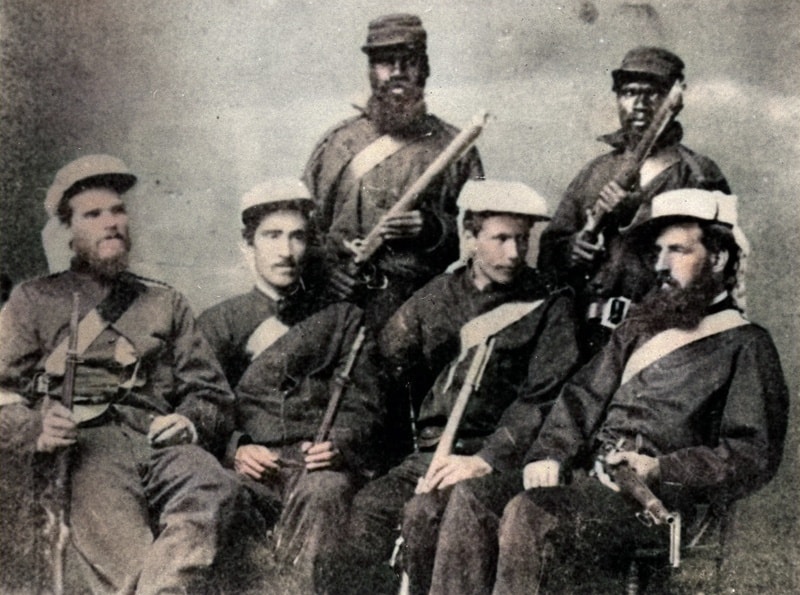
The Clermont Gold Escort, 1867. Murder victims Cahill and Power (second and third from left), with their killer Griffin (right). Queensland Police Museum, PM0680a.

⬅ See all events from 6 November

Spread the word on your favourite platform!
On This Day in True Crime History

Subscribe to Dark Stories

True crime stories, dark history and tour news, straight to your inbox.