1976: Kidnapped Heiress Turned Bank Robber: Patty Hearst Freed on $1.5 Million Bail

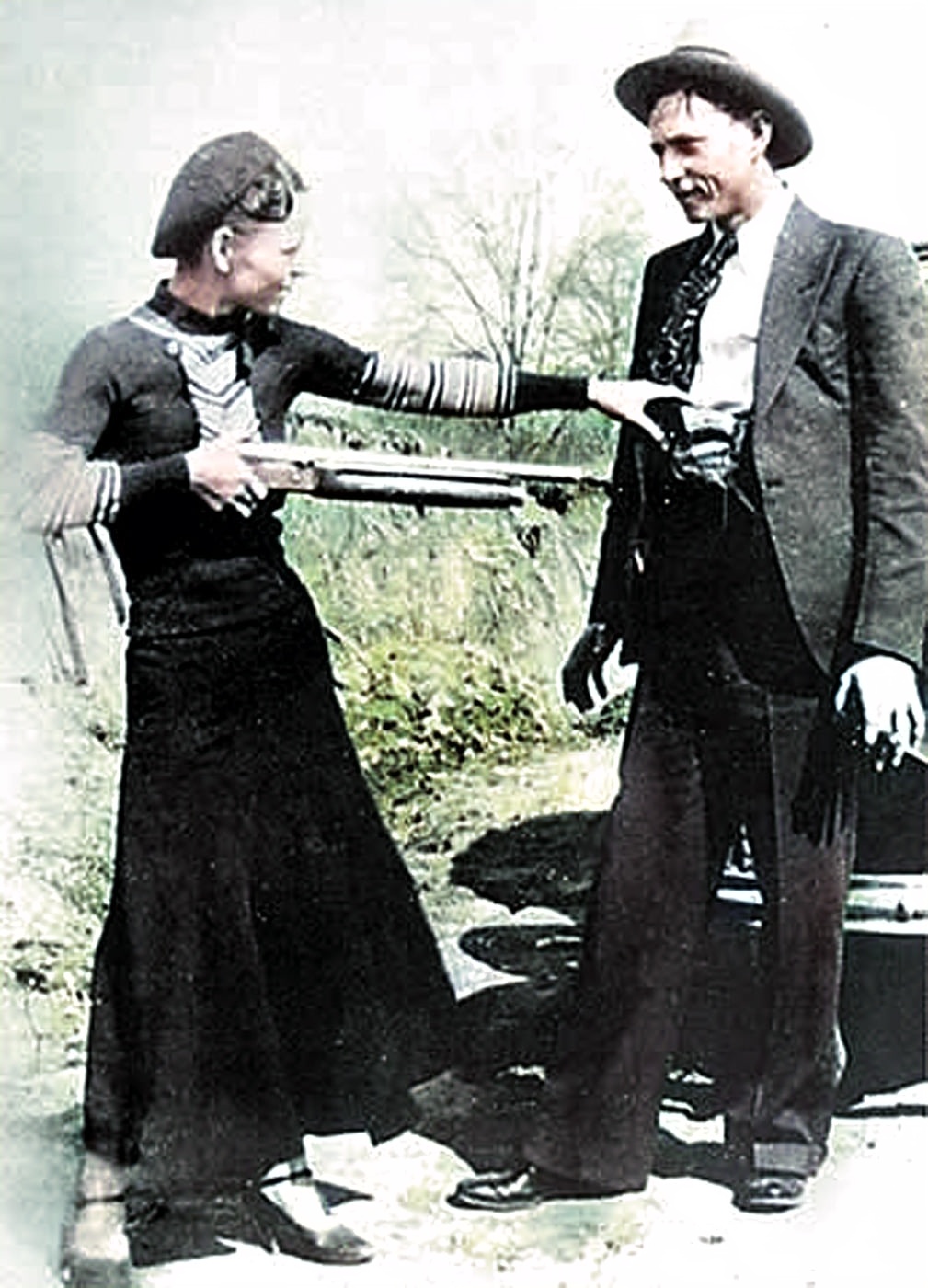
Patty Hearst was the granddaughter of a newspaper tycoon when armed members of the Symbionese Liberation Army snatched her from her apartment in 1974, holding her captive for weeks until she emerged under a new name, Tania, rifle in hand, helping the group rob a San Francisco bank. Tried for armed robbery, she was convicted and sent to prison, her defence insisting she had acted under duress, brainwashed and threatened by her captors.

She walked free on 19 November 1976, posting $1.5 million bail while her conviction went to appeal. The question of whether she was victim or willing accomplice would trail her for years, long after the bail money changed hands.


A Small Fortune: 1.5 Million Dollar Bail

⬅ See all events from 19 November

Spread the word on your favourite platform!

1862: He Lied About Her, Then Confessed on the Scaffold: Hanged in Hobart for an Armed Robbery

William Mulligan broke into an isolated farm hut outside Hobart on 3 September 1862, minutes after Johanna Harbach's husband had left to tend the horses of a passing mail coach. He held a pistol on her, threatened to shoot her, dragged her back inside when she tried to flee, and robbed the house of its money.

At his trial he refused to cross-examine a single witness, reserving his defence for later, and in the weeks that followed he let it be known that Harbach's character was not what it seemed. He was convicted and hanged in Hobart on this day in 1862, attended on the scaffold by a vicar general who had sat with him since his condemnation.

Moments before his death Mulligan, handed over a written statement retracting everything he had said against her: "Whatever I have said injurious to the character of the woman I assaulted is entirely false, as far as I know, not a word can be said against her".

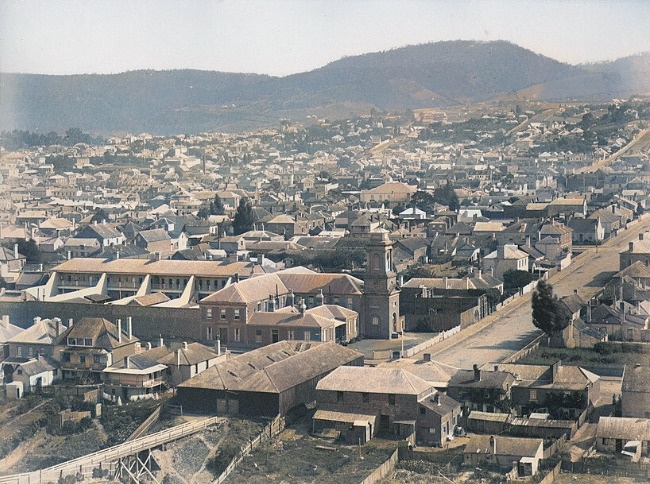
1860s site of execution photograph of Hobart town and Campbell Street Gaol

⬅ See all events from 18 November

Spread the word on your favourite platform!

1834: Risking the Gallows to Avoid a Flogging: Two Hanged in Sydney for the Murder of Dr Wardell

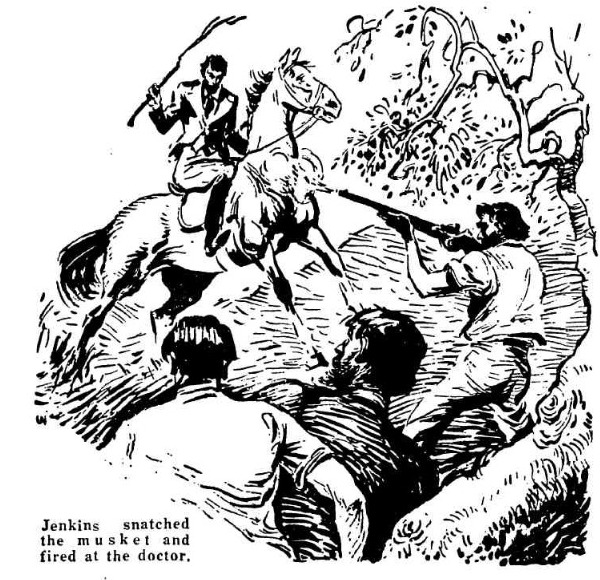
Dr Robert Wardell, a Sydney barrister and co-founder of The Australian newspaper, was inspecting his Petersham estate one Sunday afternoon when he rode straight into the bark hut of three runaway convicts, among them a teenage absconder named Brace. Trying to talk his way clear, Wardell urged the men to surrender and come quietly with him, warning it would go better for them. Brace begged his companions not to risk their lives over a matter that might cost them only fifty lashes, but John Jenkins raised his stolen gun and fired, killing Wardell on the spot.

Brace turned Crown evidence, and his account convicted both Jenkins and his companion Thomas Tattersdale, who had joined the pair partway through their bushranging spree. A jury took only minutes to find them guilty, and on this day in 1834 the two men were hanged in Sydney for the murder.

On the scaffold, Jenkins confessed to a separate killing, claiming he had once stabbed a man on the Liverpool road whose body had, he said, been devoured by the native dogs and never found. Tattersdale made no such confession, saying only that he hoped to make his peace with God.

Jenkins shooting at Dr Wardell

⬅ See all events from 10 November

Spread the word on your favourite platform!

1848: Denying the Fatal Blow: John Jordan Hanged at Launceston for a Plotted Robbery Murder

John Jordan, a young shoemaker, and farmhand Patrick McDonough spent months plotting to rob an elderly settler named Zimram Youram, using a pair of boots Jordan was making for him as their pretext to keep calling at his isolated hut near Launceston. When an attempt to drug the old man failed, McDonough bludgeoned him with a wrench hammer while Jordan looked on, and the pair ransacked the hut for his hidden savings, walking away with about 17 pounds in coins and notes.

The two men quickly turned on each other. Jordan's confession named McDonough as the killer, while McDonough claimed Jordan had struck the blow. A powerful defence swayed the jury and McDonough walked free of the murder charge, though he was held for the robbery; Jordan was convicted and condemned. He was hanged at Launceston on this day in 1848.

On the scaffold, Jordan insisted he had not struck the fatal blow and had tried to stop the killing, declaring that it would one day be discovered who truly committed it. His last words, delivered calmly to the crowd, were "God bless you all."

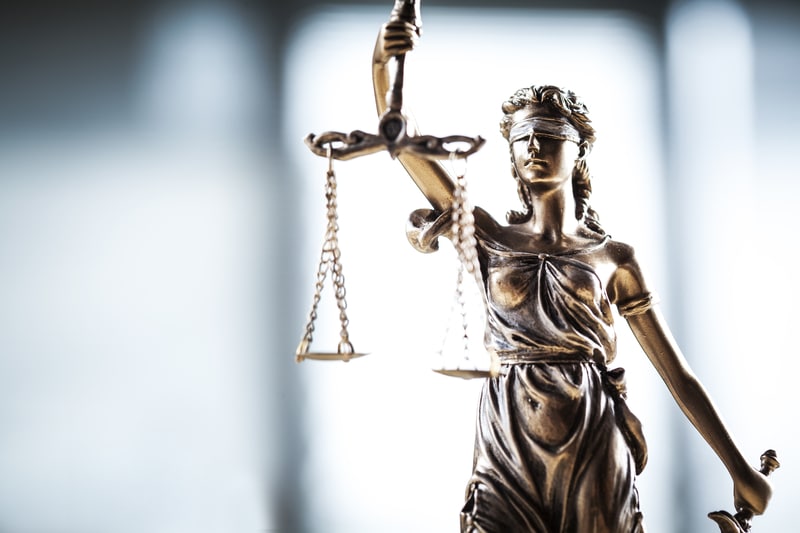
Was Lady Justice Correct?

⬅ See all events from 7 November

Spread the word on your favourite platform!
On This Day in True Crime History

Subscribe to Dark Stories

True crime stories, dark history and tour news, straight to your inbox.