1858: He Named Four Innocent Men as the Killers: Hanged in Melbourne for a Ballarat Murder

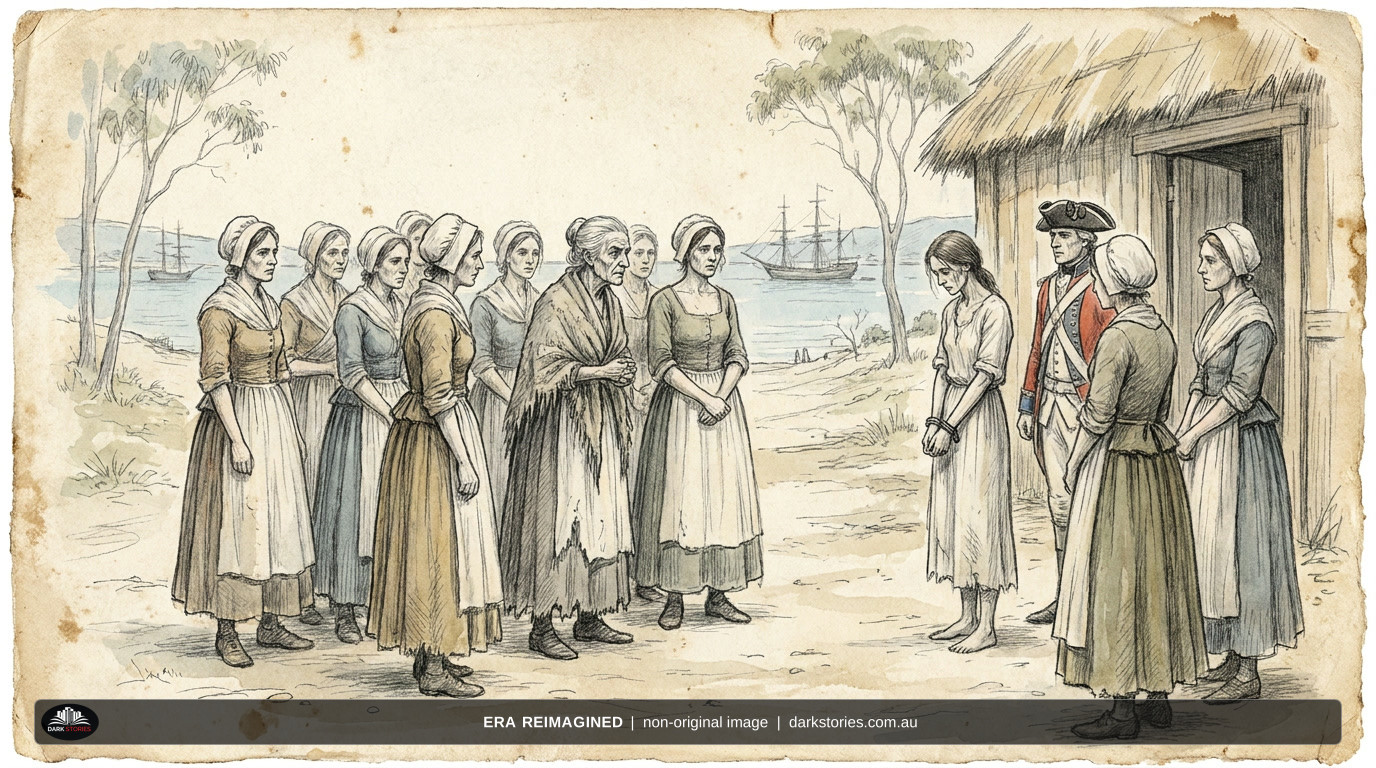
Hugh Anderson had money and a fortnight of riotous spending behind him when he was found dead in a Ballarat stable, dragged there in the dark with his boots and hat gone. A trail of blood led straight back to a coffee stall tent kept by George Thompson, a ticket-of-leave hawker who swore he had heard nothing of any murder that night.

Facing trial, Thompson changed his story completely. He claimed four strangers had forced their way into his tent, struck the victim down with an axe while he was held back and threatened into silence, and that he himself had taken no part at all. Investigators picked the account apart: of the men he named, those brought before the inquest were discharged for lack of evidence, and a jury convicted Thompson alone of wilful murder.

He was hanged in Melbourne on this day in 1858. Witnesses noted the strange contrast: a man who could kill with such ferocity for a few pounds now trembled uncontrollably as the hangman prepared the rope, and on the drop itself he stood perfectly still.

Thompson was stolid and unmoved for most of his time in gaol, but in his final days he confessed his guilt and acknowledged the justice of his sentence.
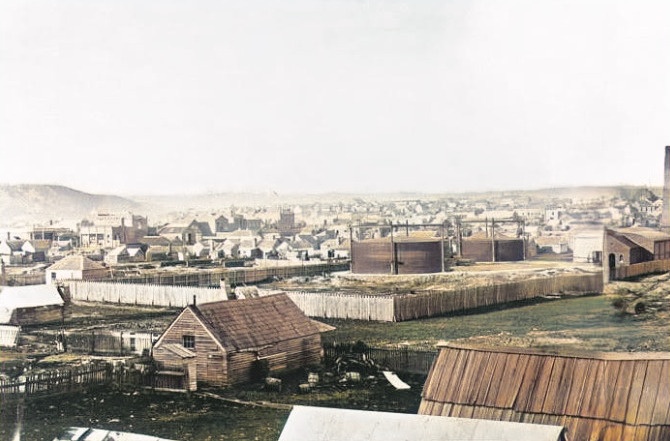

Panorama of Ballarat in 1858 showing early townscape and gas works

⬅ See all events from 12 November

Spread the word on your favourite platform!

1894: A Jockey Hanged at Ballarat Asked One Last Question: Who Won the Melbourne Cup?

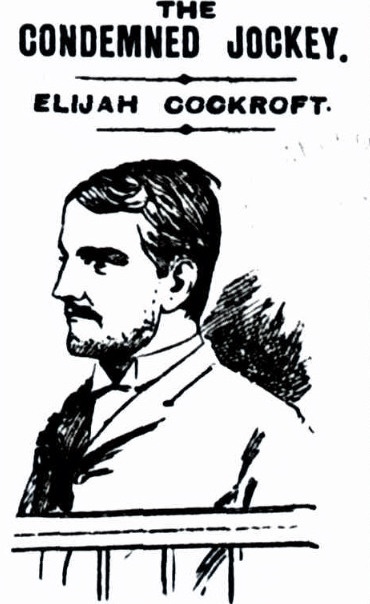
Elijah Cockroft was a young jockey besotted with his half-sister Fanny Mott, who was engaged to marry his own brother. One night near Stawell, he lured her into a paddock with a tale of stray horses, struck her with a stick, and cut her throat. Arrested days later, he confessed readily, telling police he dearly loved her, though he insisted he had never meant anything improper.

Tried for murder, Cockroft's defence argued a childhood head injury had left him unbalanced, but the jury took just 35 minutes to convict. He was hanged at Ballarat on 12 November 1894, and in his final hours, with unsettling calm, he asked the warders which horse had won the Melbourne Cup, Australia's most popular annual horse race.

Cockroft first protested his innocence to the guards, then reversed himself, expressing sorrow for what he had done and declaring, as he was led to the scaffold, that he had put his trust in Jesus.

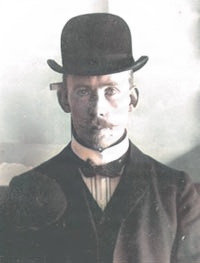
Elijah Cockroft condemned jockey 1894

⬅ See all events from 12 November

Spread the word on your favourite platform!

1929: She Asked for a Kiss, Then Bled to Death: Frederick Carr Hanged in Adelaide for Murdering His Wife

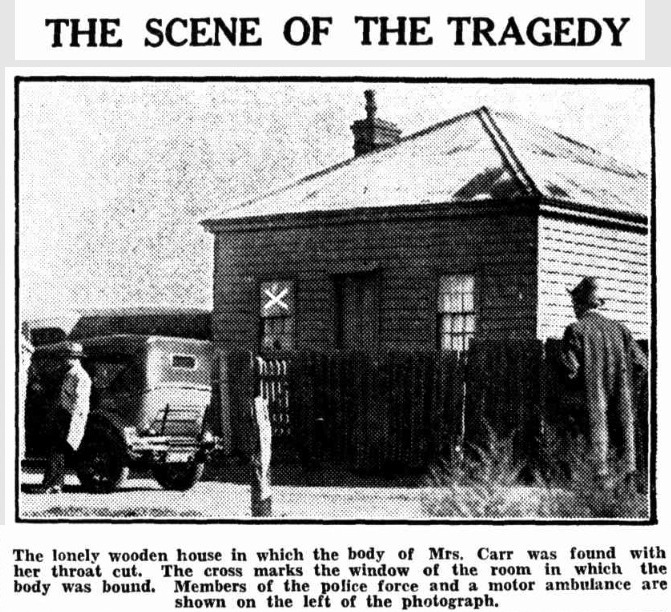
On the evening of 28 June 1929, Maude Carr walked into the police station near her home at Birkenhead, outside Adelaide, and asked if she could sleep in a cell. There was only one, kept clear for emergencies, so she was turned away. Hours later she was dead in the isolated weatherboard house she shared with her husband, Frederick Carr, her throat cut almost from ear to ear.

Carr's account was that he had woken to find his wife leaning over his shoulder asking for a kiss, then felt something wet. He ran to a neighbour's house drenched in blood, shouting that she had cut her own throat. A jury was not convinced: after five days of evidence they found him guilty of murder, though they added a recommendation for mercy.

Frederick Carr was hanged in Adelaide on this day in 1929, despite union campaigns pleading for his sentence to be commuted. He shook hands with gaol officials and walked calmly to the scaffold.

He denied the killing to the end, declaring from the condemned cell, "The law requires my body, but it cannot have my soul, as I am innocent."

Wooden house where Mrs Carr body found police and motor ambulance outside

⬅ See all events from 12 November

Spread the word on your favourite platform!

1963: The Royal Commission That Cleared Brisbane Police, Then Unravelled as a Cover-up

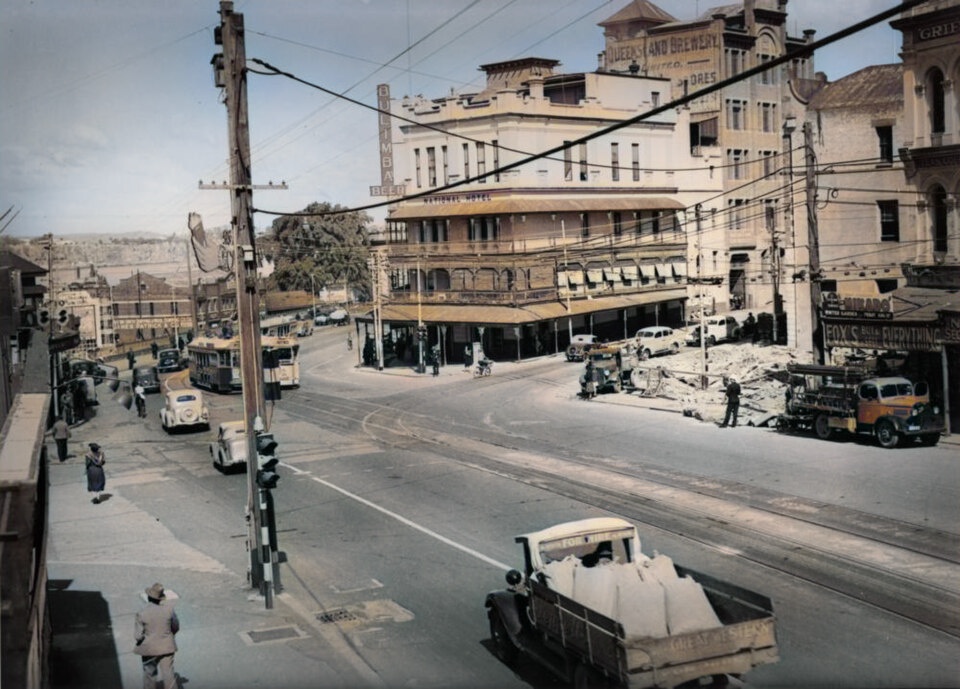
A Queensland judge was appointed on this day in 1963 to investigate claims that police, including the state's own police commissioner, frequented Brisbane's National Hotel and turned a blind eye to an illegal call girl racket run out of its rooms. Justice Harry Gibbs was handed narrow terms of reference and a police force left to investigate itself, and the following year he cleared every officer involved, finding no acceptable evidence of misconduct.

The truth surfaced years later. Key witness Shirley Brifman admitted she had perjured herself before the commission after being coached by detective Tony Murphy, one of the very officers she had been questioned about. Brifman was due to give evidence against Murphy at his perjury trial when she died in suspicious circumstances at a police safe house, just over a fortnight before she was to take the stand. The case against Murphy collapsed, and the full extent of the cover-up was not exposed until a later inquiry decades on.

National Hotel, Brisbane circa 1939

⬅ See all events from 12 November

Spread the word on your favourite platform!
On This Day in True Crime History

Subscribe to Dark Stories

True crime stories, dark history and tour news, straight to your inbox.