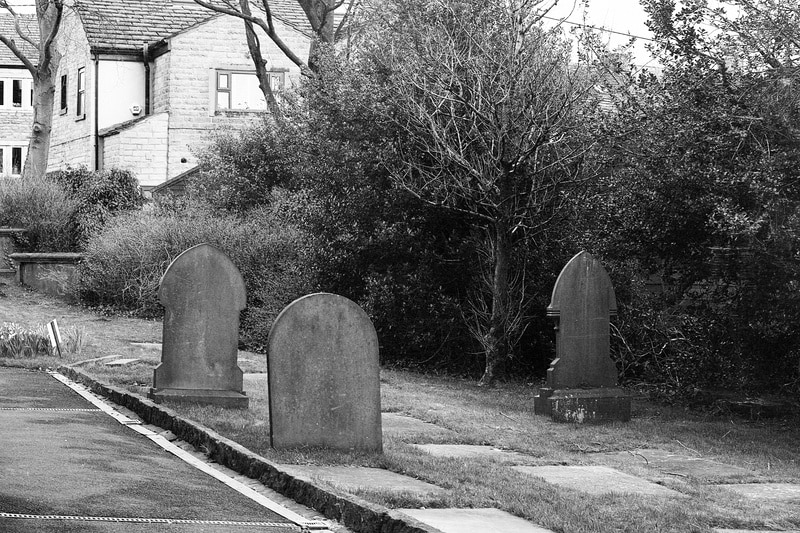
After three days searching the moorland above Manchester, police uncovered the first grave. The discovery confirmed what detectives had feared since finding a body at Ian Brady and Myra Hindley’s home: there were more victims.
Eleven days later, searchers found a second grave. Another victim was never found. His mother spent the rest of her life searching for answers and returning to the moor, hoping to bring her son home.
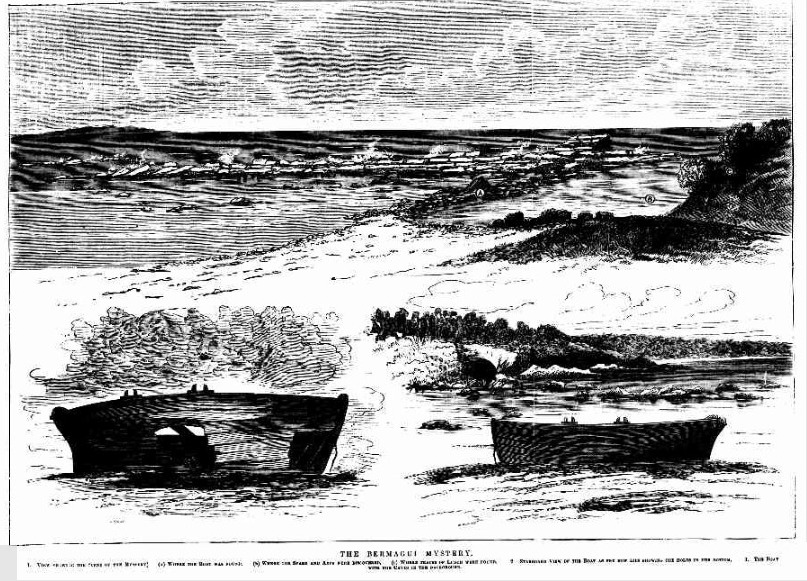
Geological surveyor Lamont Young, his assistant and three boatmen set out from Bermagui, New South Wales by night and would be last seen on this date, searching the coast for gold. Their boat would be found drifting empty near what would become known as Mystery Bay, its sail and anchor gone, loaded with heavy rocks, and a bullet hole through the hull.
What unsettled investigators most was not what was missing but what remained. A pair of spectacles sat neatly folded on a seat, none of the cargo was wet, and the holes in the planking had been punched outward from inside the boat, not in. No bodies, no weapon, and no sign of struggle were ever found, despite rewards, government inquiries and headlines across the British Empire. The five men were never seen again, and the mystery remains unsolved to this day.
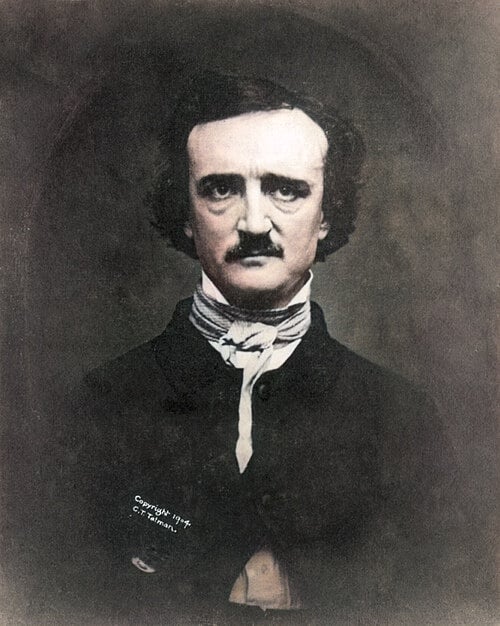
Edgar Allan Poe was discovered slumped outside a Baltimore tavern being used as a polling place, barely conscious and dressed in clothes that were not his own. He could not explain where he had been for the five days since he was last seen, and he never recovered enough to try; he died four days later at a city hospital, aged 40.
On this date, his doctor recorded his last words as “Lord help my poor soul”, after a night of Poe repeatedly calling out a name, Reynolds, that no one has ever identified. Newspapers blamed drink, but Poe’s death certificate and medical records have since vanished, and the true cause was never established.
One theory, raised decades later, points to cooping: a 19th century election scam in which gangs plied captives with liquor and forced them to vote repeatedly in disguise, which would explain both his stupor and his stolen clothes. No version of events has ever been confirmed.
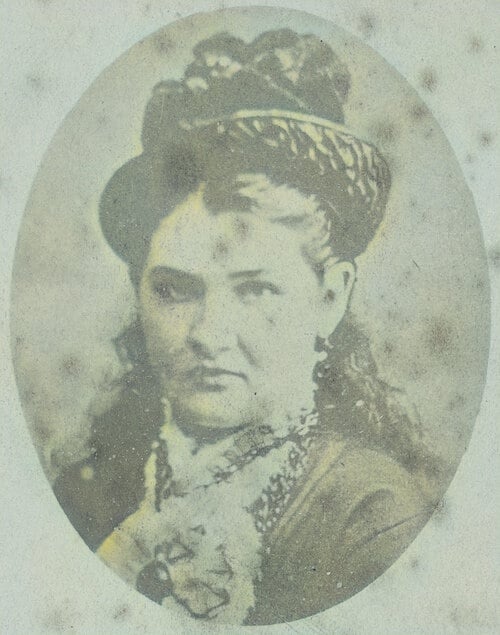
In 1878, Constable Fitzpatrick arrived alone and drunk at the Kelly family homestead and assaulted fourteen-year-old Kate Kelly, the spark that turned her brothers Ned and Dan into outlaws. With her mother jailed as an accomplice, teenage Kate raised her younger siblings, campaigned for Ned’s clemency, and later toured with relics of the gang after his hanging at Melbourne Gaol in 1880.
Eighteen years on, now married and living near Forbes in New South Wales, Kate vanished from her home. She was found drowned in a nearby waterhole, aged 35. Her death was officially ruled an accident, but questions about what drove her there have never fully gone away.