1870: Beheaded His Mate, Burned the Hut, But the Skull Survived: Hanged in Melbourne

James Seery shared a goldfields hut with August Tepfar on the Crooked River diggings in Gippsland, and when Tepfar failed to turn up for work one morning, no one suspected murder until Seery's own hut was found ablaze. In the smouldering ruins searchers found a human skull and the charred remains of a dog; nearby, Tepfar's headless body lay buried between two slabs arranged like a makeshift coffin, his severed head carried off to the fire for reasons no one could explain.

Seery made for the old diggings he had once worked, but two days later Mounted Constable Lloyd caught up with him on the track. Seery rushed the trooper with a long handled shovel, snarling "I'll split your skull" before he was wrestled to the ground, blood still staining his shirt. Convicted with no motive for the killing ever established, he was hanged at Melbourne on 14 November 1870.

He went to the gallows without explaining what had driven him to kill his mate; as one report put it, Seery said nothing to throw any light on the mystery.
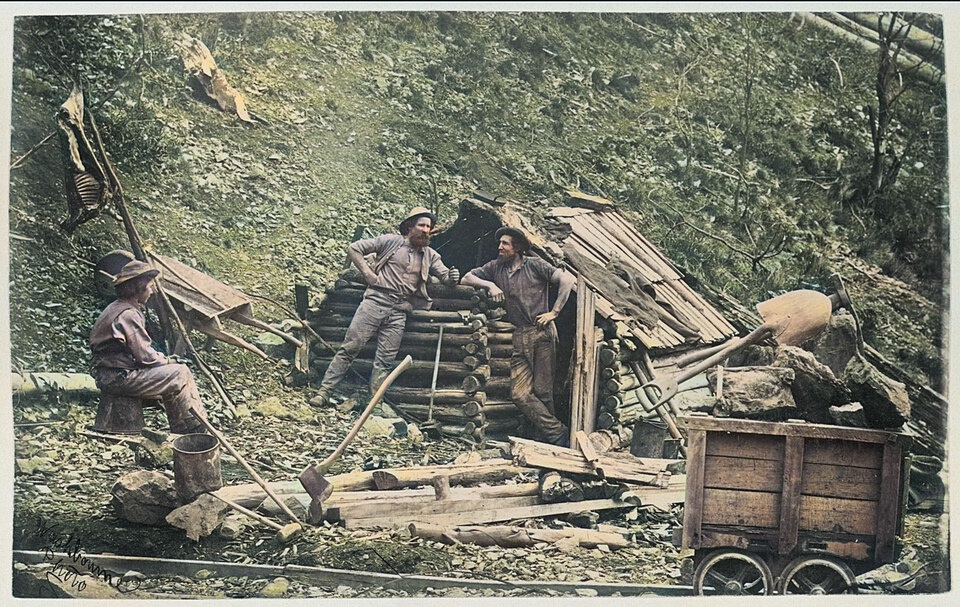

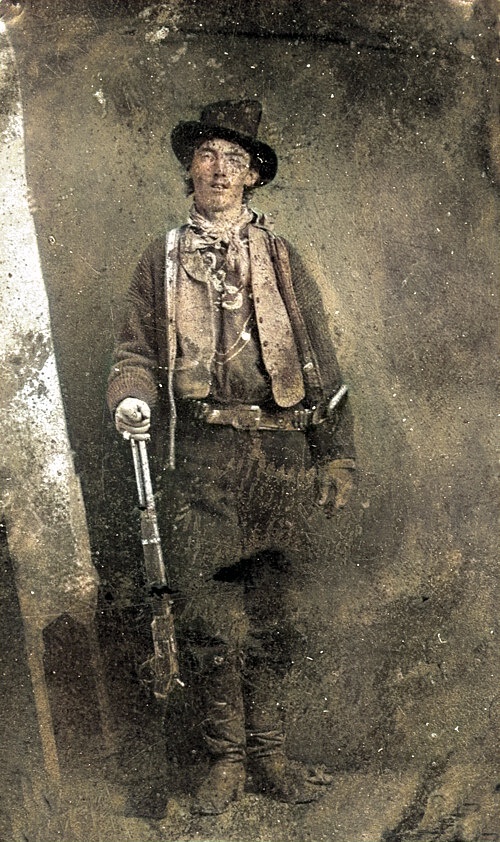
Prospectors hut, Gippsland, Victoria, about 1870

⬅ See all events from 14 November

Spread the word on your favourite platform!

1946: "Let Me Put the Poor Man Out of His Misery": A Timber Camp Killer Hanged in Adelaide

Charles O'Leary spent 6 July 1946 drinking heavily near Mount Gambier, beating two other men unconscious at a sawmill camp before dawn. When he found Walter "Spoggy" Ballard's bed ablaze with Ballard moaning inside, O'Leary knelt over him cutting away his burning clothes, his own arms already smeared with Ballard's blood, and begged a workmate for an axe, saying he wanted to "put the poor man out of his misery."

Convicted after a two-day trial, he was hanged in Adelaide on 14 November 1946. He had passed his months in custody reading an encyclopaedia of American presidents, troubled only that the entries for two of them were missing, and he walked to the gallows smiling, turning to his guards to say "Thank you, gentlemen" before the drop.

At trial O'Leary insisted he had never touched Ballard, but when sentenced to death he told the court he wanted no concessions and was "quite prepared to pay the full penalty."

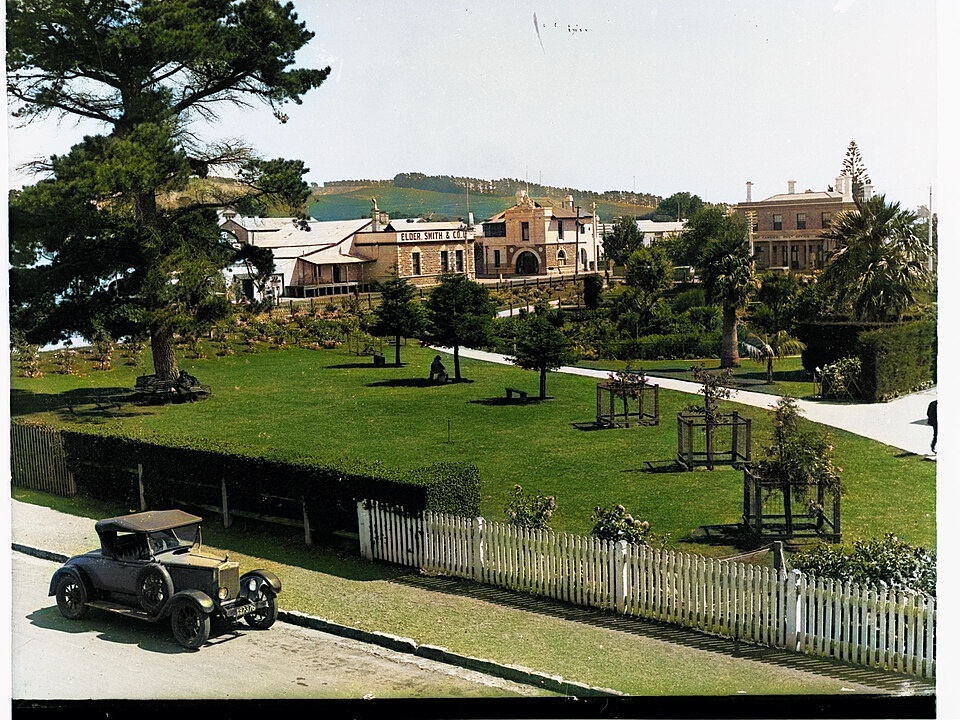
Mount Gambier pre 1950s

⬅ See all events from 14 November

Spread the word on your favourite platform!

1993: The Phone Call That Named Ivan Milat: a Survivor Finally Reports the Man Called Bill

Paul Onions had carried the memory for three years. In 1990 a stranger who called himself Bill picked him up hitchhiking in New South Wales, drove him toward Belanglo Forest, then produced a gun and rope. Onions fled the car and flagged down a passing driver, escaping with his life while the man he knew only as Bill disappeared back into the bush.

He returned home to England believing it was over, until news reports of bodies found in the same forest reached him. On this day in 1993, Onions rang Australian police from England and described Bill in detail, down to his name. The description matched Ivan Milat exactly, and it became the thread that unravelled one of the country's most notorious serial killings, leading investigators directly to the man responsible for the backpacker murders.

Belanglo has a Dark History

⬅ See all events from 13 November

Spread the word on your favourite platform!

1929: She Asked for a Kiss, Then Bled to Death: Frederick Carr Hanged in Adelaide for Murdering His Wife

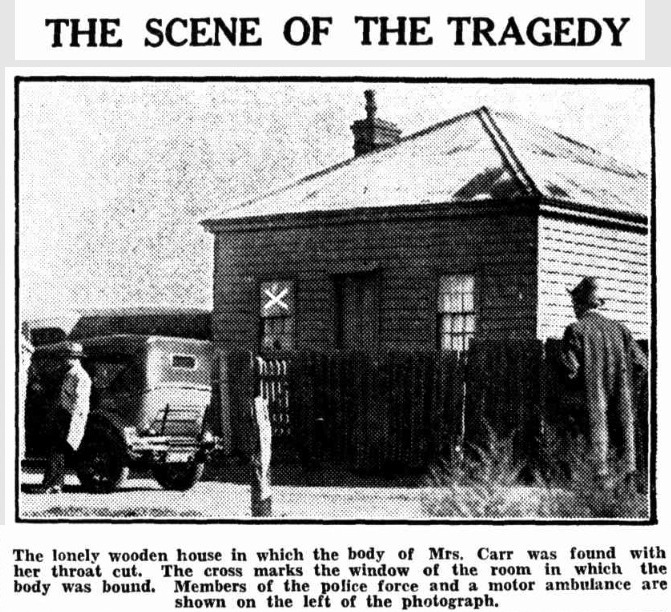
On the evening of 28 June 1929, Maude Carr walked into the police station near her home at Birkenhead, outside Adelaide, and asked if she could sleep in a cell. There was only one, kept clear for emergencies, so she was turned away. Hours later she was dead in the isolated weatherboard house she shared with her husband, Frederick Carr, her throat cut almost from ear to ear.

Carr's account was that he had woken to find his wife leaning over his shoulder asking for a kiss, then felt something wet. He ran to a neighbour's house drenched in blood, shouting that she had cut her own throat. A jury was not convinced: after five days of evidence they found him guilty of murder, though they added a recommendation for mercy.

Frederick Carr was hanged in Adelaide on this day in 1929, despite union campaigns pleading for his sentence to be commuted. He shook hands with gaol officials and walked calmly to the scaffold.

He denied the killing to the end, declaring from the condemned cell, "The law requires my body, but it cannot have my soul, as I am innocent."

Wooden house where Mrs Carr body found police and motor ambulance outside

⬅ See all events from 12 November

Spread the word on your favourite platform!
On This Day in True Crime History

Subscribe to Dark Stories

True crime stories, dark history and tour news, straight to your inbox.