1666: The Great Fire of London Begins on Pudding Lane

In the early hours of 2 September 1666, a fire broke out at the Pudding Lane bakery of Thomas Farriner in the City of London. Driven by strong winds, the blaze consumed around 80 percent of the old city before it was brought under control on 6 September. Though attributed to an accident at the bakery, the disaster ignited a desperate search for culprits.

Robert Hubert, a French watchmaker from Rouen, confessed to starting the fire. His confession was riddled with impossibilities: he had not arrived in England until two days after the fire broke out, and he described throwing a fire grenade through a window at the Farriner bakery, which had no windows. With nationalism inflamed by the Second Anglo-Dutch War, a scapegoat was needed, and Hubert, a foreigner in a hostile city, was hanged for a crime he almost certainly did not commit.
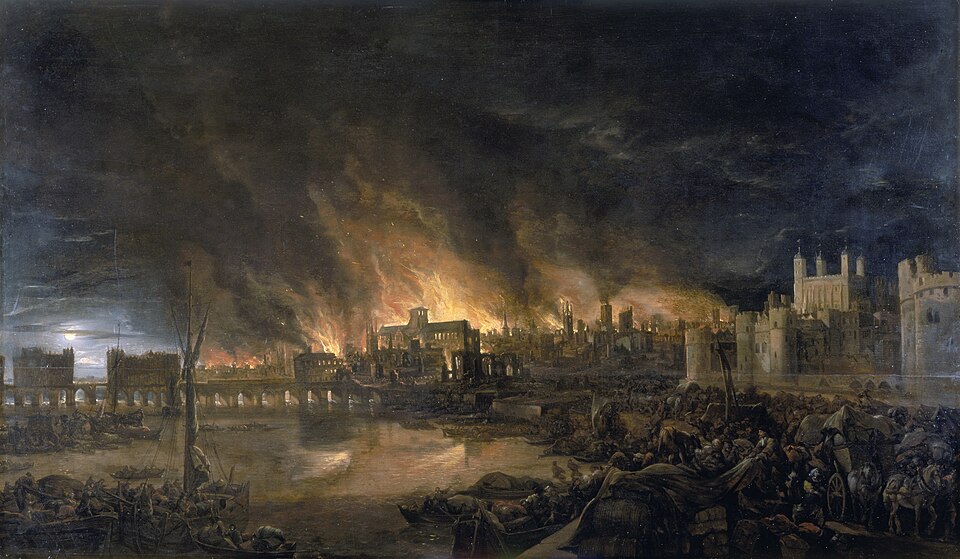

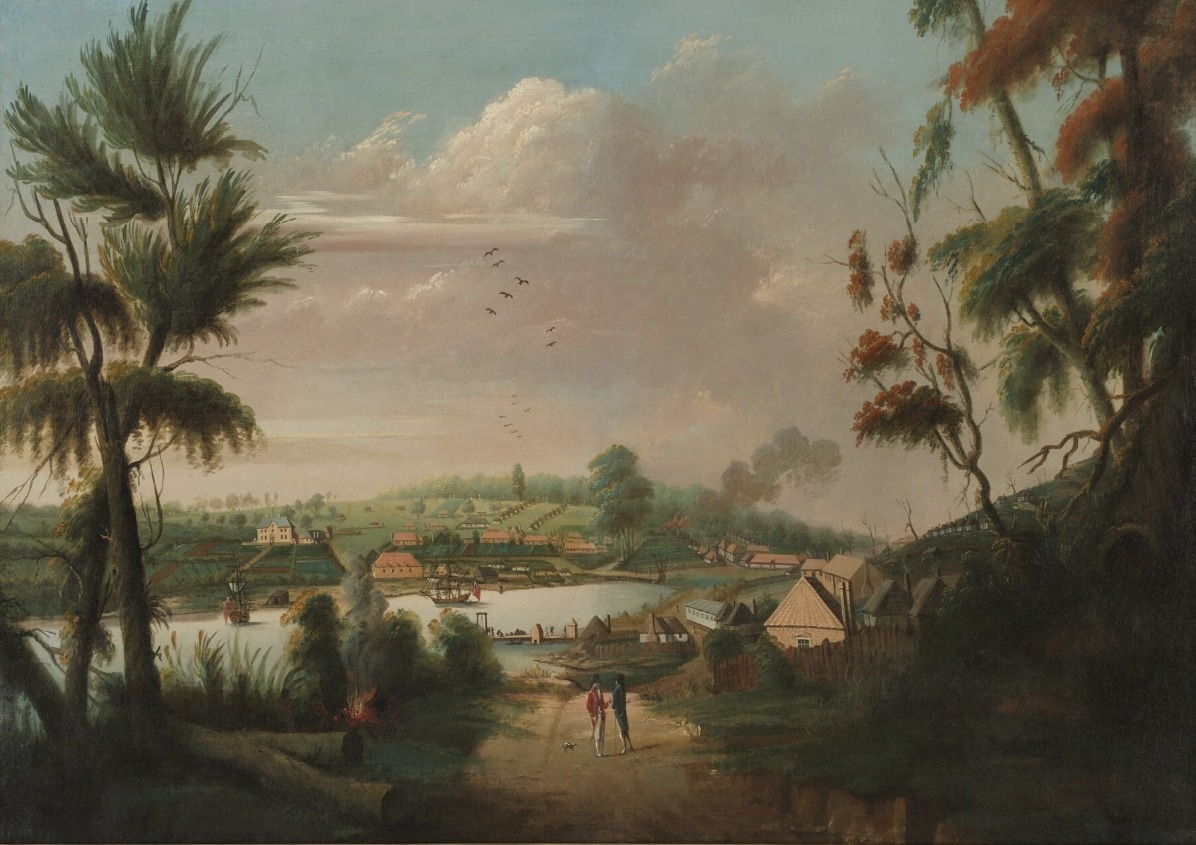
The Great Fire of London

⬅ See all events from 2 September

Spread the word on your favourite platform!

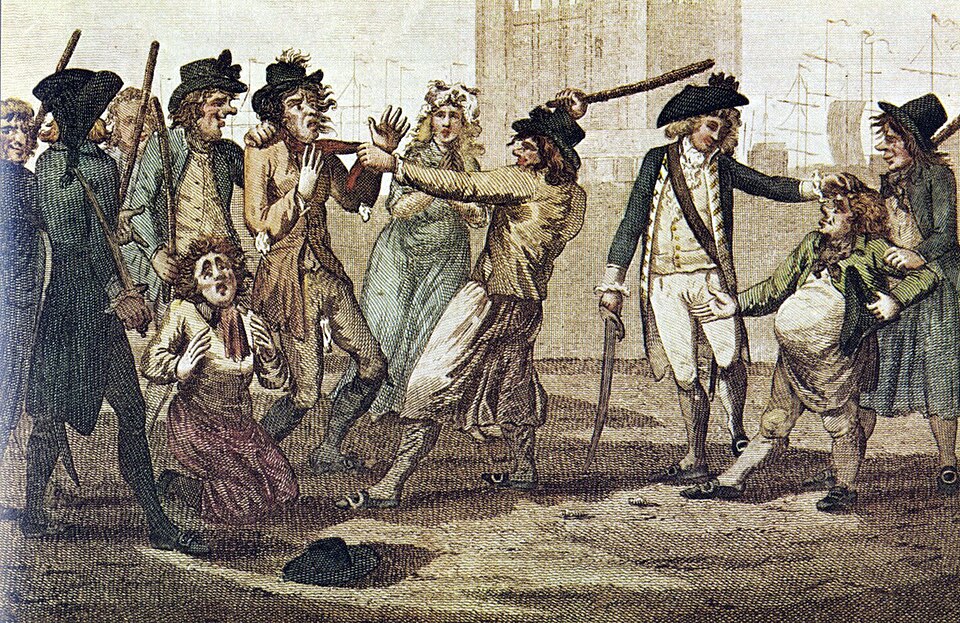
1792: The September Massacres begin in Paris

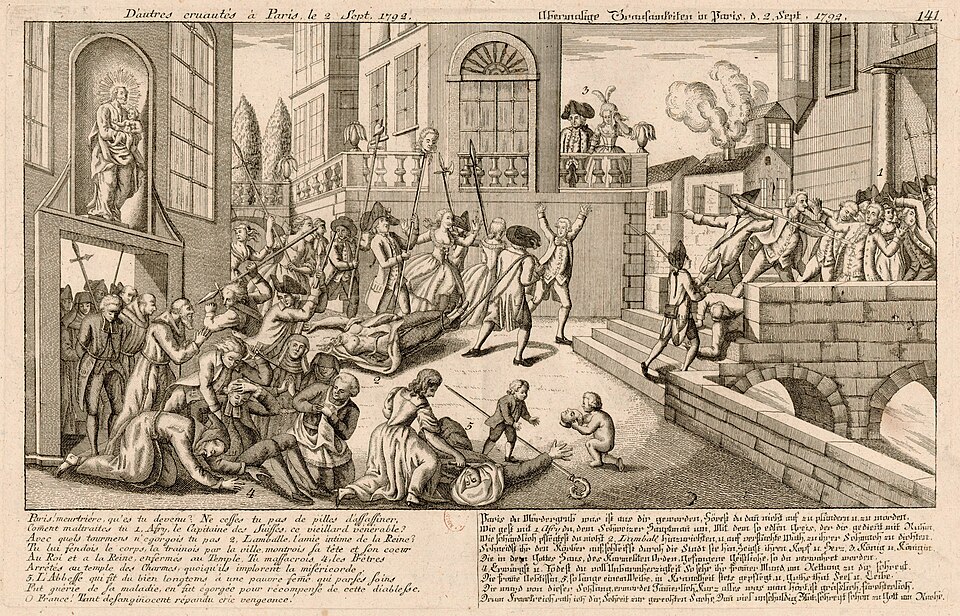
During the September Massacres of 1792, revolutionary crowds swept through Paris prisons and religious institutions, killing prisoners and others regarded as enemies of the Revolution.

At the Carmelite Convent, Roman Catholic clergy imprisoned for refusing to swear allegiance to the Civil Constitution of the Clergy were brought out and killed, among them several bishops.

The violence formed part of a broader wave of extrajudicial executions that engulfed Paris over several days, as fears of counter-revolution and foreign invasion fed a climate of panic and vengeance.

Those killed at the convent were later recognised by the Catholic Church as the Martyrs of September and were beatified in 1926.

Engraving showing the massacre of Princess de Lamballe

⬅ See all events from 2 September

Spread the word on your favourite platform!

1981: Hinckley Pleads Not Guilty to Shooting President Reagan

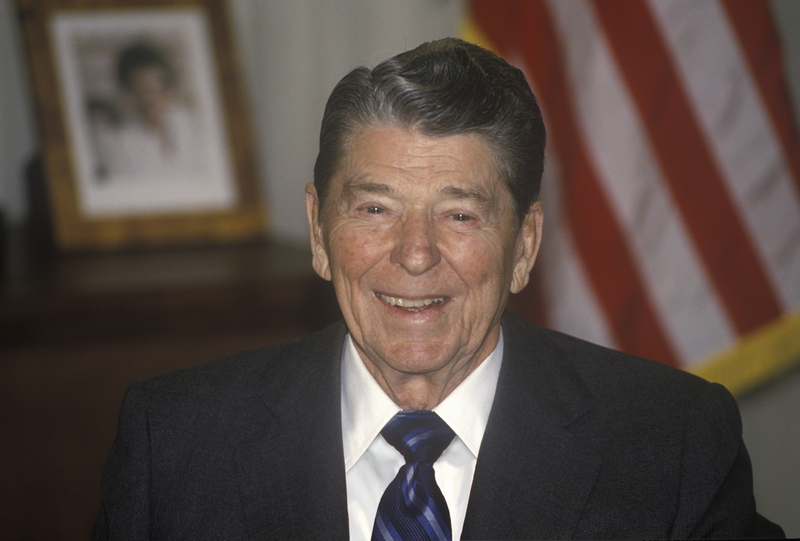
In March 1981, John Hinckley Jr. fired six shots at President Ronald Reagan outside a Washington D.C. hotel, wounding Reagan and three others. The attack was later revealed to be motivated by an obsession with actress Jodie Foster.

On 28 August 1981, Hinckley entered a plea of not guilty to charges of attempted assassination. He was ultimately found not guilty by reason of insanity in 1982 and was committed to St. Elizabeths Hospital, a psychiatric facility in Washington D.C.

President Reagan presents an introduction for the Horatio Alger Association | ID 26274897 © Joe Sohm | Dreamstime.com
ID 26274897 © Joe Sohm | Dreamstime.com

⬅ See all events from 28 August

Spread the word on your favourite platform!

1979: Mountbatten Killed by IRA Bomb Off the Irish Coast

On 27 August 1979, Lord Louis Mountbatten, 79, was killed when a bomb planted by the Provisional IRA detonated aboard his fishing boat, Shadow V, in the waters off Mullaghmore, County Sligo, Ireland. The bomb, concealed on the vessel the night before, was remotely detonated as Mountbatten and family members set out from the harbour. Three others died in the blast, including his 14-year-old grandson Nicholas Knatchbull and a 15-year-old local boy.

Thomas McMahon, an IRA bomb-maker, was arrested hours before the explosion on unrelated grounds and later convicted of the murders based on forensic evidence linking him to the boat. The attack was coordinated with the Warrenpoint ambush the same day, which killed 18 British soldiers, making 27 August 1979 one of the deadliest days for British forces during the Troubles.

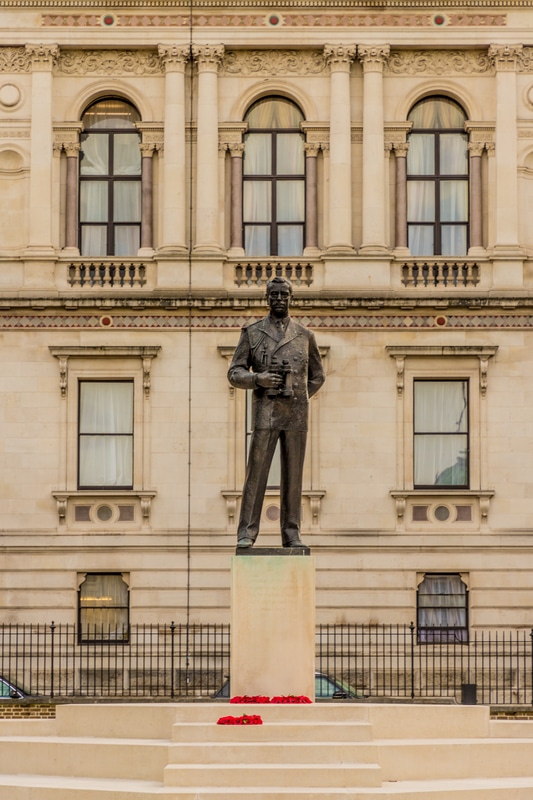
A typical view in London. London. October 2018. A statue of Lord Mountbatten in Horse guards parade in london | ID 130381623 © Chris Mouyiaris | Dreamstime.com
ID 130381623 © Chris Mouyiaris | Dreamstime.com

⬅ See all events from 27 August

Spread the word on your favourite platform!
On This Day in True Crime History

Subscribe to Dark Stories

True crime stories, dark history and tour news, straight to your inbox.