1572: The Red Wedding in St Bartholomew

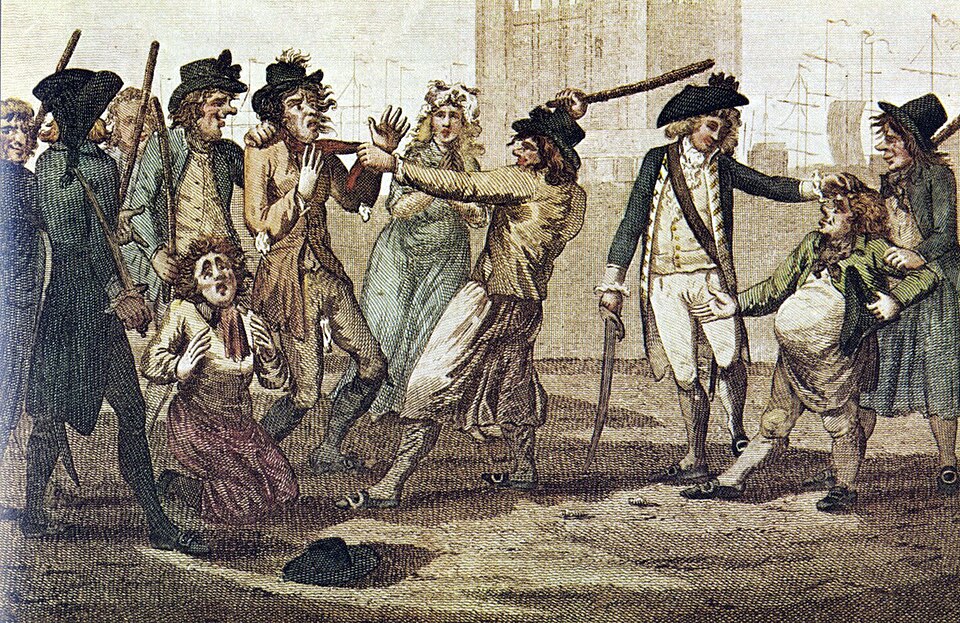
On August 18, 1572, Protestant Henry of Navarre married Catholic Margaret of Valois in Paris, a union designed to end the bloody civil war between France's Catholics and Huguenots. The peace did not hold. Just days later, on August 24, King Charles IX, acting under the influence of Catherine de' Medici, authorised a wave of targeted killings against Protestant leaders in Paris.

What began as a series of assassinations spread into mass mob violence across France. Estimates of the death toll range from thousands to as many as 50,000, as Catholic mobs hunted down Huguenots in city after city. The wedding that was meant to unite a fractured nation had become the prelude to one of the worst religious massacres in European history.


Blood-soaked bride in lingerie holding knife lying on floor

⬅ See all events from 24 August

Spread the word on your favourite platform!

1305: William Wallace Hanged, Drawn, and Quartered at Smithfield

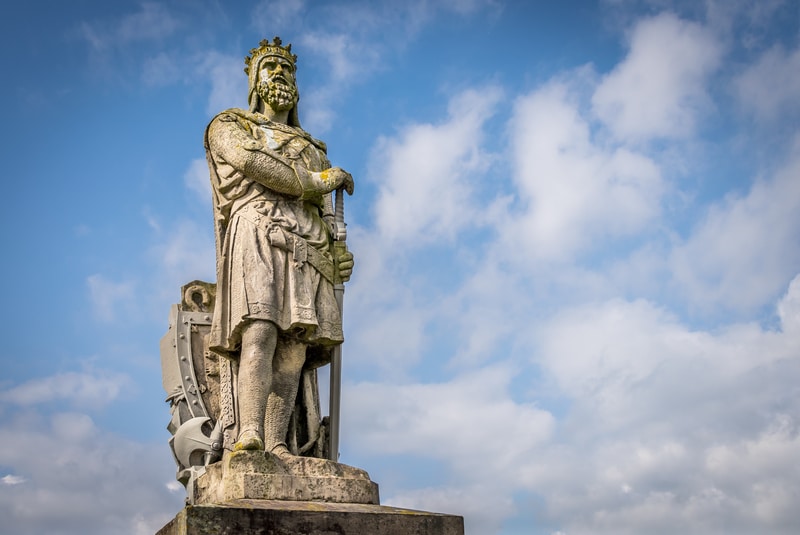
William Wallace, the Scottish knight and military leader who had defied English rule for nearly a decade, was captured in August 1305 and swiftly tried for treason and atrocities against English civilians. Brought before a tribunal in Westminster Hall, he denied the charge of treason on the grounds that he had never sworn allegiance to the English crown, but the verdict was a foregone conclusion.

On 23 August 1305, Wallace was dragged through the streets of London to Smithfield, where he was hanged, cut down while still alive, disembowelled, beheaded, and his body divided into four parts. His head was displayed on London Bridge; his limbs were sent to Newcastle, Berwick, Stirling, and Perth as a warning to those who would resist English rule. He became the most enduring symbol of Scottish resistance.

William Wallace statue outside Stirling Castle Scotland

⬅ See all events from 23 August

Spread the word on your favourite platform!

1962: De Gaulle Survives a Hail of Bullets at Petit-Clamart

On the evening of 22 August 1962, Lieutenant-Colonel Jean Bastien-Thiry led a carefully planned ambush on the presidential motorcade at Petit-Clamart, south of Paris. Acting under the banner of the Organisation armee secrete (OAS), his team opened fire with automatic weapons as de Gaulle's car passed, riddling the vehicle with bullets. The president and his wife escaped without injury.

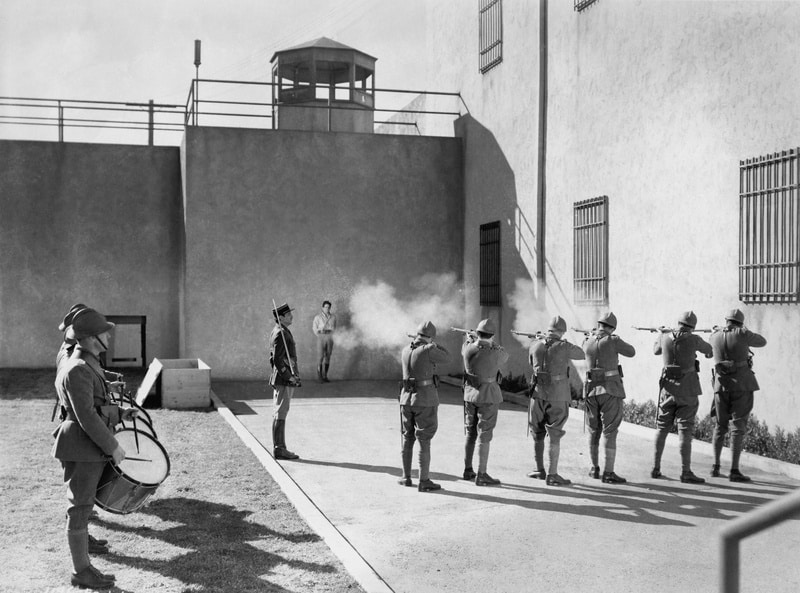
The attack, code-named Operation Charlotte Corday, triggered a massive manhunt that swept up nearly all participants within months. Bastien-Thiry was brought before a military court, where he justified the attempt by declaring de Gaulle a tyrant who had betrayed French Algeria. He was sentenced to death and executed by firing squad in March 1963, the last person to die by that method in France.

Historical firing squad execution scene

⬅ See all events from 22 August

Spread the word on your favourite platform!

1940: Leon Trotsky Assassinated by Soviet Agent in Mexico

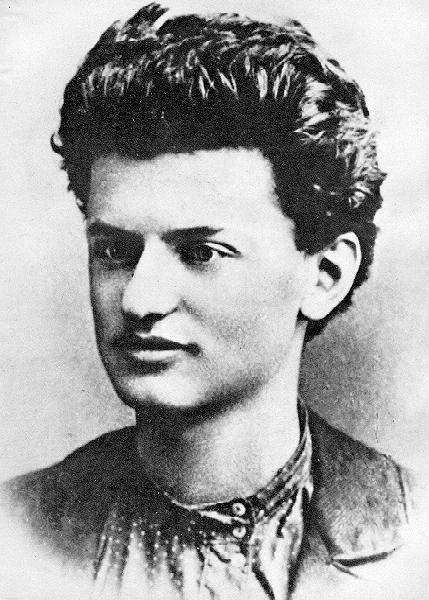
Leon Trotsky, Russian revolutionary and founder of the Red Army, was attacked at his fortified home in Coyoacan, Mexico City, on 20 August 1940. The attacker, Ramon Mercader, was an undercover agent of the Soviet secret police, the NKVD, who had spent months gaining the trust of those in Trotsky's inner circle.

Mercader struck Trotsky with an ice axe, inflicting a fatal wound to the skull. Trotsky died the following day, aged 60. Mercader was arrested at the scene, convicted of murder, and served 20 years in a Mexican prison. He was later awarded the Hero of the Soviet Union medal by Stalin.

Portrait of Leon Trotsky in 1897

⬅ See all events from 20 August

Spread the word on your favourite platform!
On This Day in True Crime History

Subscribe to Dark Stories

True crime stories, dark history and tour news, straight to your inbox.