1990: Shouting "Kill me!": The Deadliest Mass Shooting in New Zealand Ends in a Police Shootout Near Dunedin

In the small coastal settlement of Aramoana, near Dunedin, an argument with a neighbour over a wandering child spiralled into one of the country's worst mass shootings. On the evening of 13 November 1990, David Gray took up a semi-automatic rifle and moved from house to house through the township, killing thirteen people, among them young children, and setting fire to the home of his first victim.

Sergeant Stewart Guthrie, the first armed officer to respond, tracked Gray through the darkness and ordered him to surrender. Gray called out, "Don't shoot!", leading the sergeant to believe he was giving himself up, then opened fire moments later and killed him instantly.

Police sealed off the township and spent the next day searching house by house before cornering Gray in a holiday home. On 14 November 1990, he burst outside firing from the hip, shouting "Kill me!", and was shot down by an elite police squad. He died a short time later in the ambulance taking him to hospital.
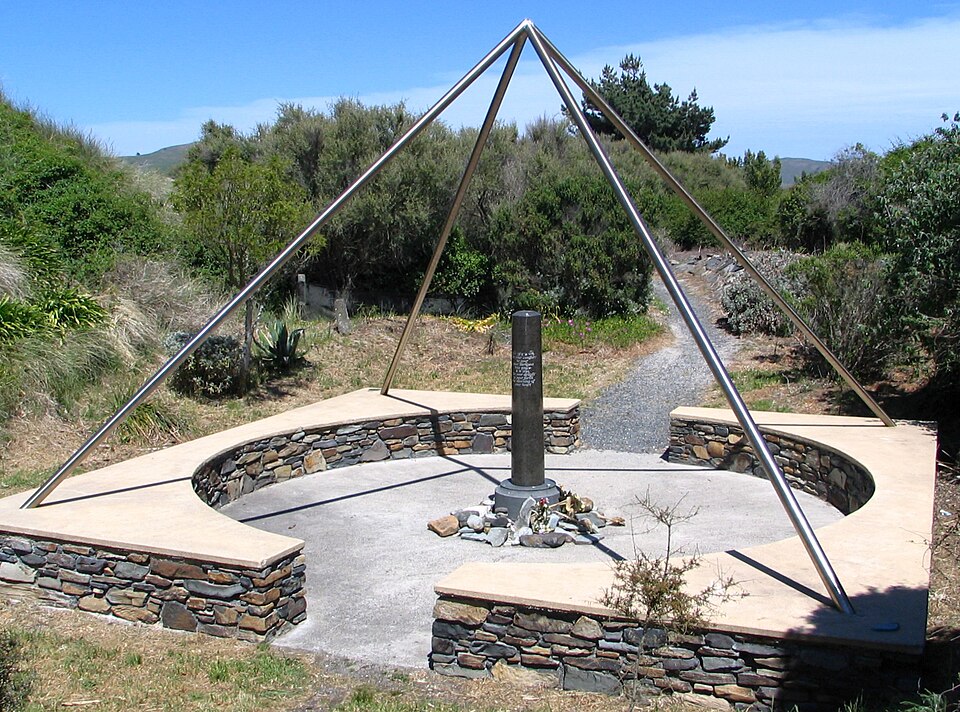

Aramoana massacre memorial. Photo: Benchill, Wikimedia Commons, CC BY-SA 3.0 (https://commons.wikimedia.org/wiki/File:Aramoana_massacre_memorial.jpg

⬅ See all events from 14 November

Spread the word on your favourite platform!

1861: Without Seeking Permission: the Settler Camp Behind the Cullin-la-Ringo Massacre

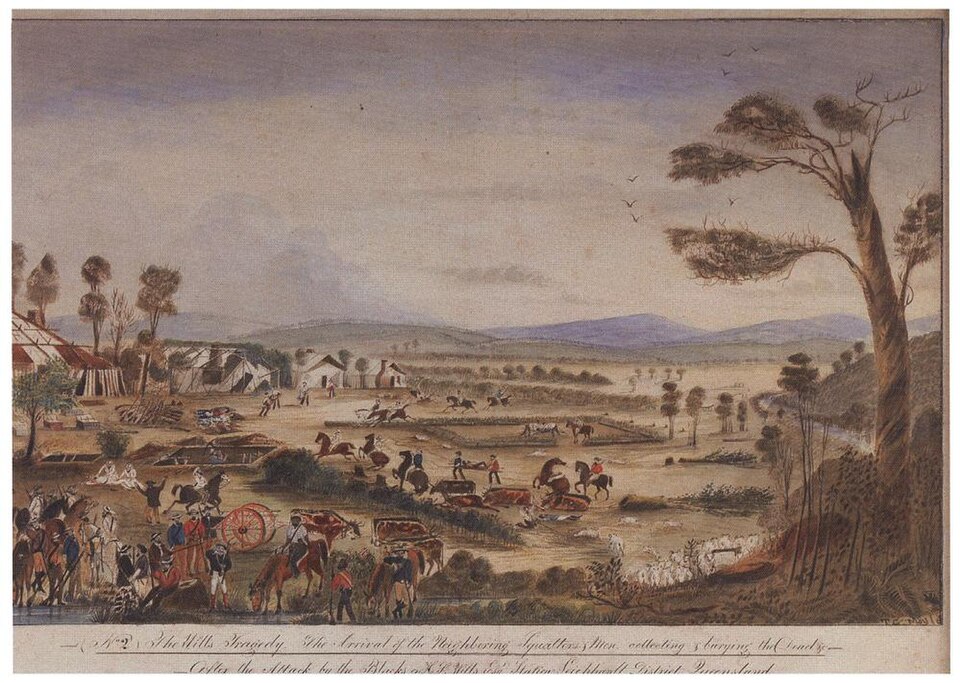
In October 1861 the politician Horatio Wills led an enormous settler train, more than 10,000 sheep and a line of bullock wagons, onto Gayiri land in Central Queensland to establish a cattle station at Cullin-la-ringo, without seeking permission from the people whose country it was. Tensions were already high: a neighbouring squatter had wrongly accused Gayiri men of stealing cattle and had several killed over it.

On 17 October, Aboriginal people who had been passing through the camp all day attacked, killing nineteen of the twenty-five settlers present, including Wills himself. Only a handful escaped, among them his teenage son Tom Wills, later a celebrated cricketer and co-founder of Australian rules football.

The arrival of the neighbouring squatters and Mon collecting and burying the dead. By T.G.Moyle: 1861

⬅ See all events from 17 October

Spread the word on your favourite platform!

1629: The Batavia Massacre: First European Executions on Australian Soil

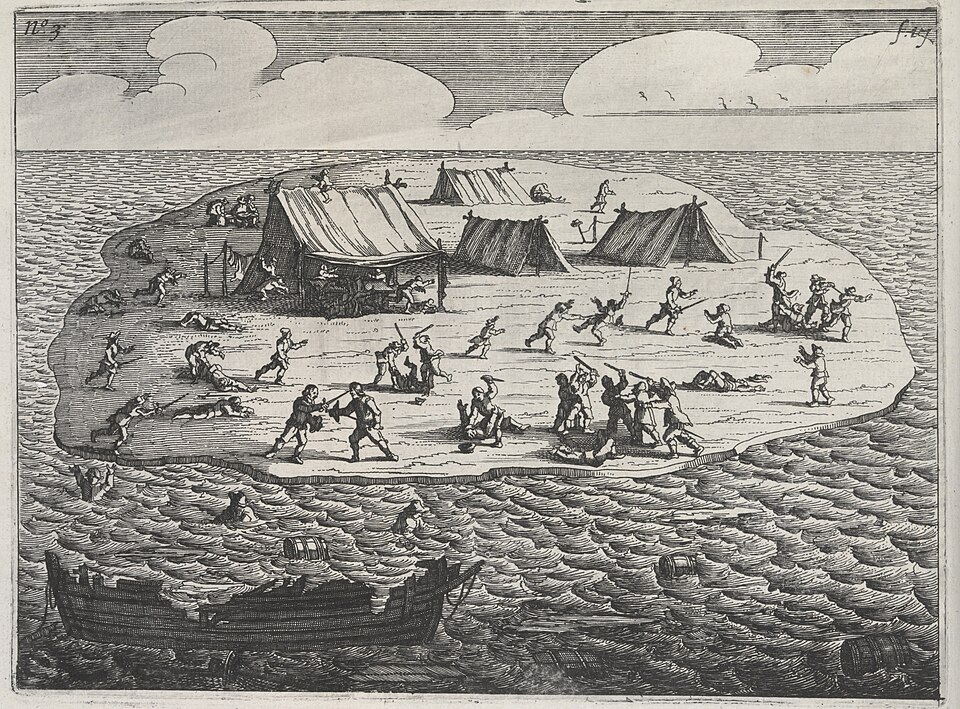
When the Dutch East India Company ship Batavia wrecked on a reef off Western Australia in 1629, disgraced merchant Jeronimus Cornelisz seized control of the survivors stranded on the barren Houtman Abrolhos islands. Fearing his crimes would be exposed once rescue came, he set his followers to killing anyone who might oppose him or drain the group's meagre food and water. Over the following weeks his men murdered at least 125 men, women and children, drowning some and butchering others, while a small band of soldiers under Wiebbe Hayes held out against them on a nearby island.

When commander Francisco Pelsaert finally returned with a rescue ship, Cornelisz had already been captured. He and six of his men were hanged on Long Island in the Houtman Abrolhos on 2 October 1629, the first Europeans executed on Australian soil; Cornelisz had both hands amputated before he was strung up. Two lesser offenders were marooned on the mainland instead, becoming the first Europeans known to live in Australia.

Confessions were extracted from several of the mutineers under torture before the executions were carried out.

From Shipwreck to Massacre on Beacon Island

⬅ See all events from 2 October

Spread the word on your favourite platform!

1792: Five Days of Mob Killing End as the September Massacres Claim Half of Paris Prisons

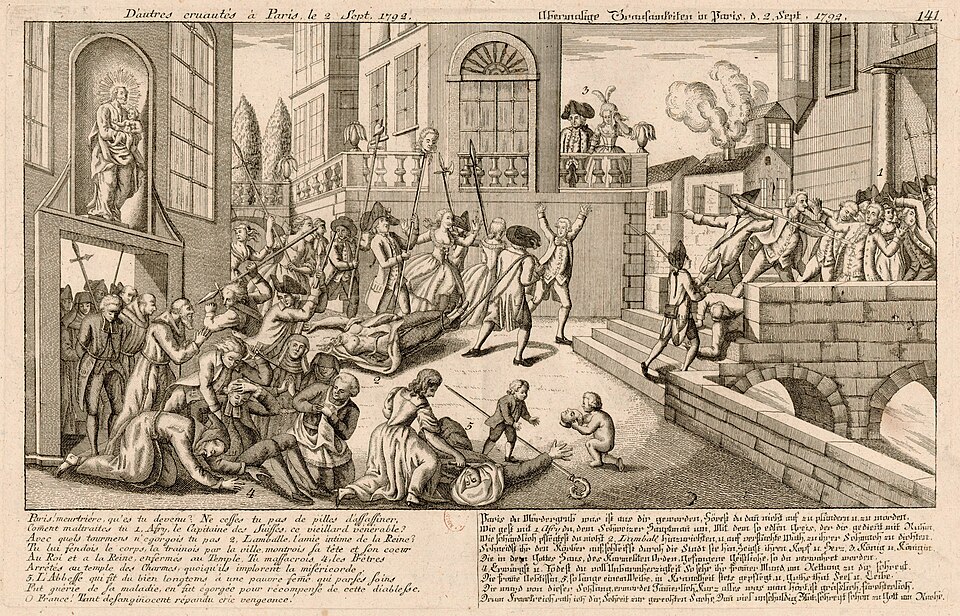
Over five days in September 1792, mobs stormed nine prisons across Paris and carried out mass summary executions of those held within. The killings were brutal in their indiscriminate reach: roughly half the prison population was slaughtered before the violence finally subsided.

An estimated three-quarters of the victims were not political prisoners at all, but common criminals, forgers, women, and children. The September Massacres remain one of the darkest episodes of the French Revolutionary period.

Engraving showing the massacre of Princess de Lamballe

⬅ See all events from 6 September

Spread the word on your favourite platform!
On This Day in True Crime History

Subscribe to Dark Stories

True crime stories, dark history and tour news, straight to your inbox.