1854: Nobody Believed Him: An Innocent Man Hanged at Perth for a Murder He Did Not Commit

Edward Bishop was a ticket-of-leave convict working at York, east of Perth, when he fell into a bitter feud with a Chinese cook named Ah Chong. When the man turned up bludgeoned and dumped in the Avon River in 1854, a bloodied axe was found hidden in Bishop’s room, his clothes had been freshly washed, and his own drunken threats against Ah Chong were repeated back to him in court.

The evidence was entirely circumstantial, but the jury took twenty minutes to convict him, and he was hanged near the causeway at Perth. Bishop never wavered. Nobody believed him then, but three years later his own hut-mate, William Voss, confessed to the murder, admitting he had planted the axe among Bishop’s belongings. Voss himself was hanged in 1862 for killing his wife.

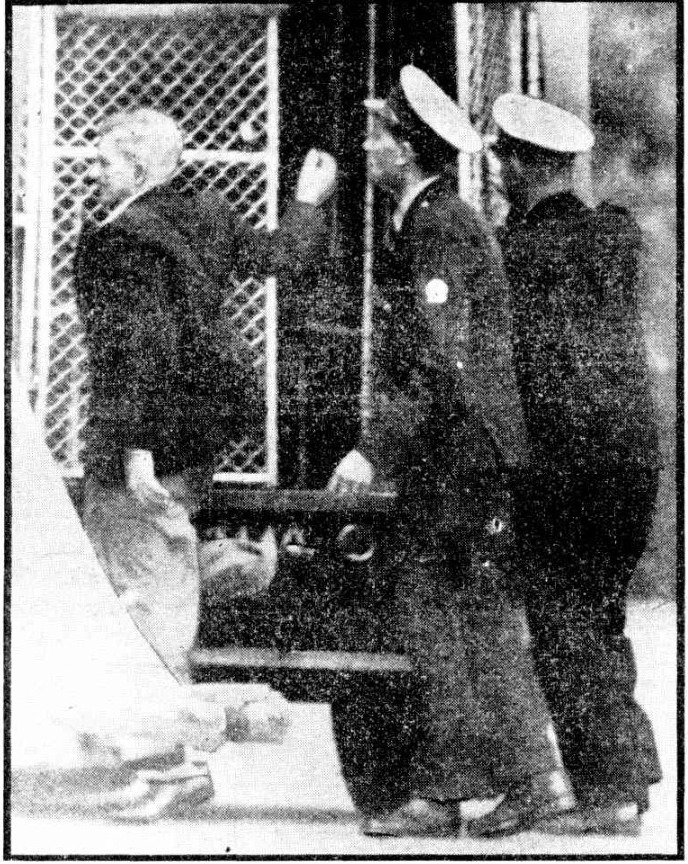
On the scaffold, Bishop raised his hand and declared, “I assert in the presence of God that I did not commit the murder. I am dying innocent of crime, and I do not fear death”.
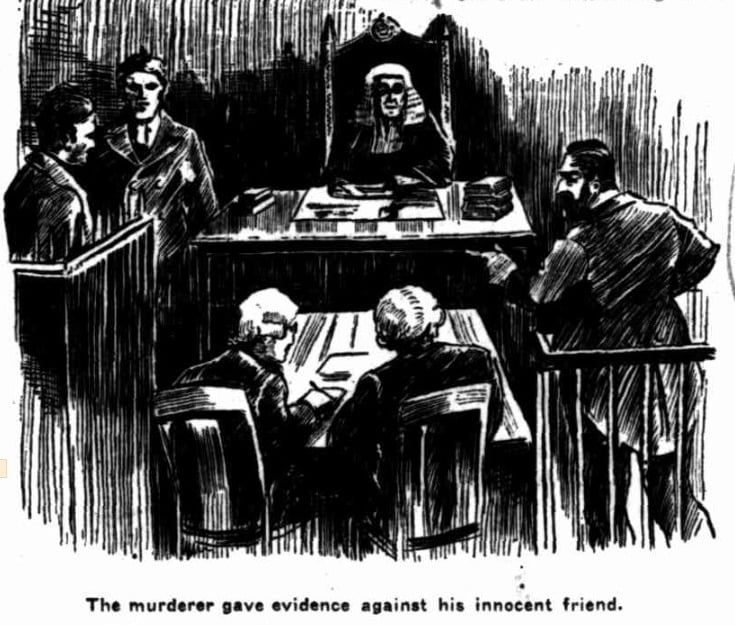

Innocent Edward Bishop betrayed.

⬅ See all events from 12 October

Spread the word on your favourite platform!

1811: No Reprieve: The Killers Confession Ignored as a Convicted Man Is Hanged Two Days Late

John Dunn was convicted at the Parramatta Court of Criminal Jurisdiction of murdering Mary Rowe, largely on the testimony of a sixteen year old accomplice, John Welch, whose evidence also saw Welch’s father, Thomas Welch, convicted as an accessory after the fact.

Dunn was due to hang at Parramatta two days beforehand, on Monday 16 September 1811, but as the execution was about to proceed the boy, John Welch, suddenly retracted everything he had sworn at trial. He declared Dunn innocent and claimed that he and his father were the true killers. The Acting Provost Marshal, unable to consult anyone and acting on what observers called motives of humanity, respited the hanging on the spot.

The reprieve lasted only two days. Dunn was finally executed at Parramatta on the Wednesday following, as near as possible to the site of the murder itself, amid what one witness described as far gloomier circumstances than the original sentence would have produced.

After he was cut down, Dunn’s body was delivered to the medical officer at Parramatta General Hospital, where it was dissected and anatomised before burial. The scaffold retraction left lingering public doubt over Dunn’s guilt, with contemporary accounts noting the boy’s claim that Dunn was innocent and that he and his father were the real perpetrators.

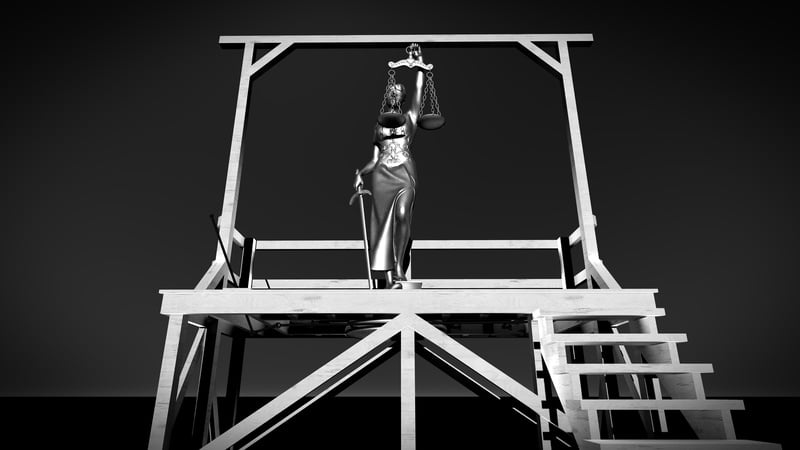
Lady Justice Themis statue on gallows with scales and sword

⬅ See all events from 18 September

Spread the word on your favourite platform!

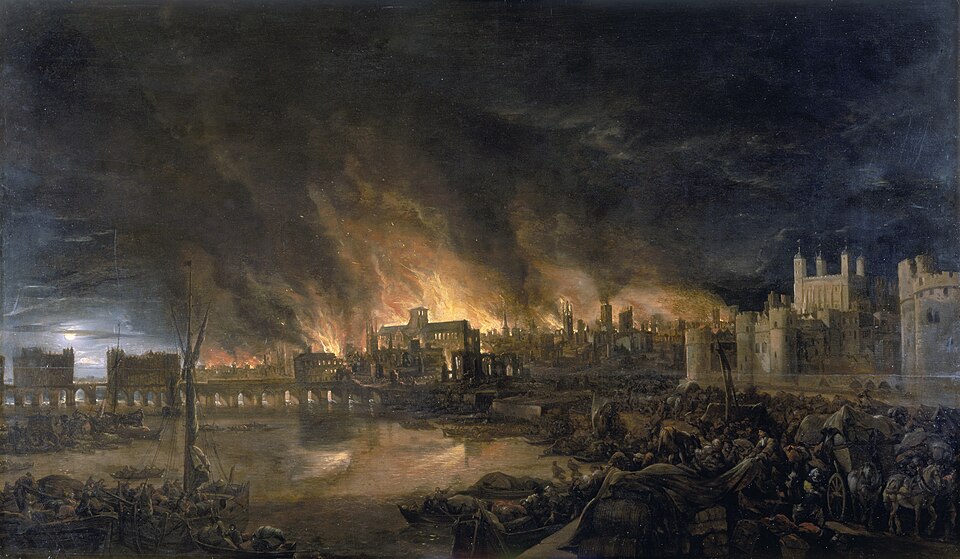
1666: The Great Fire of London Begins on Pudding Lane

In the early hours of 2 September 1666, a fire broke out at the Pudding Lane bakery of Thomas Farriner in the City of London. Driven by strong winds, the blaze consumed around 80 percent of the old city before it was brought under control on 6 September. Though attributed to an accident at the bakery, the disaster ignited a desperate search for culprits.

Robert Hubert, a French watchmaker from Rouen, confessed to starting the fire. His confession was riddled with impossibilities: he had not arrived in England until two days after the fire broke out, and he described throwing a fire grenade through a window at the Farriner bakery, which had no windows. With nationalism inflamed by the Second Anglo-Dutch War, a scapegoat was needed, and Hubert, a foreigner in a hostile city, was hanged for a crime he almost certainly did not commit.

The Great Fire of London

⬅ See all events from 2 September

Spread the word on your favourite platform!
On This Day in True Crime History

Subscribe to Dark Stories

True crime stories, dark history and tour news, straight to your inbox.