1971: Four Days of Rebellion: the Attica Prison Riot Leaves 39 Dead

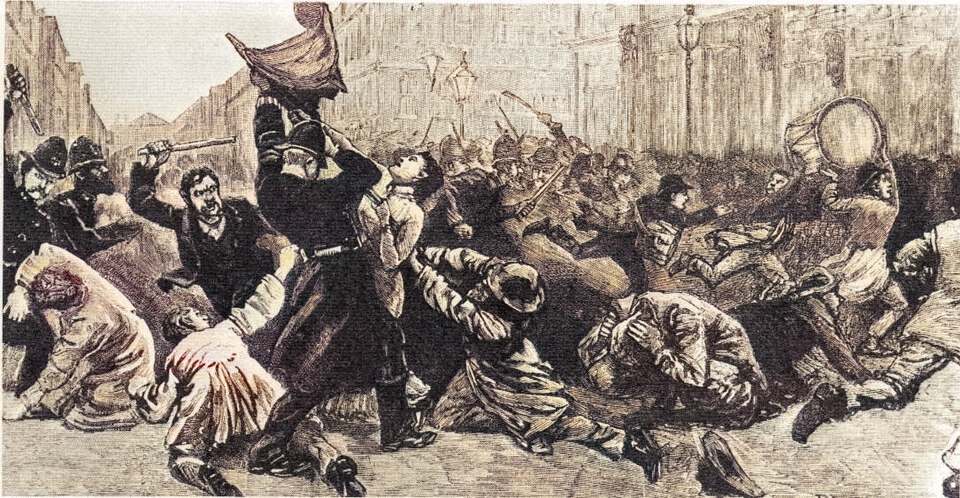
On September 9, 1971, inmates at Attica Correctional Facility in New York seized control of the prison, taking dozens of guards and staff hostage in protest over brutal conditions, overcrowding, and demands for basic political and civil rights. For four days the prisoners held the yard, negotiating with officials and issuing a list of demands broadcast to the watching public.

On September 13, on the order of Governor Nelson Rockefeller, state troopers and police stormed the facility, opening fire on inmates and hostages alike. By the time the smoke cleared, 39 people were dead, including ten hostages, most killed not by prisoners but by the retaking force's own gunfire.

The riot remains one of the deadliest prison uprisings in American history and exposed the brutal conditions inside Attica, triggering decades of lawsuits, investigations, and a landmark settlement for survivors and victims' families.

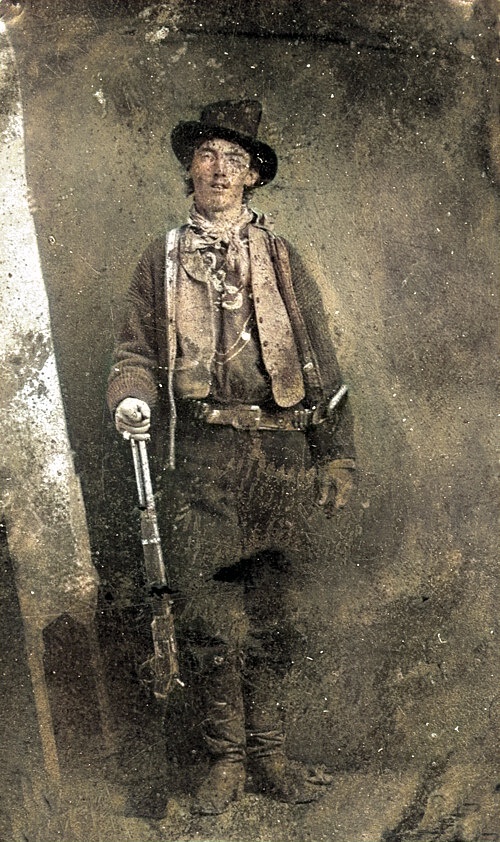
Prison Inmate
Prison Inmate

⬅ See all events from 9 September

Spread the word on your favourite platform!

1885: Charles Bushby Hanged at Ballarat for Shooting a Detective on the Gong Gong Road

In December 1884, plain-clothes Detective Sergeant Hyland was pursuing a suspect wanted as an accomplice in a wool-stealing robbery at Kyneton. Acting on a tip that the man had been seen asking questions near the Gong Gong hotel, Hyland and Senior Constable Hehir hired a cab and tracked him along the road near Brown Hill. When Hyland stepped out and approached, the man drew a revolver and shot him in the shoulder at close range. Hyland rushed him before he could fire again, and a fierce struggle followed, with two more shots discharged into the ground and air before the man was handcuffed and taken into Ballarat. Surgeons at the hospital extracted the bullet from the sergeant's back.

The man, Charles Bushby, also known as Baker, was convicted of attempted murder at the Ballarat Court and sentenced to death. He was hanged at Ballarat on 3 September 1885.

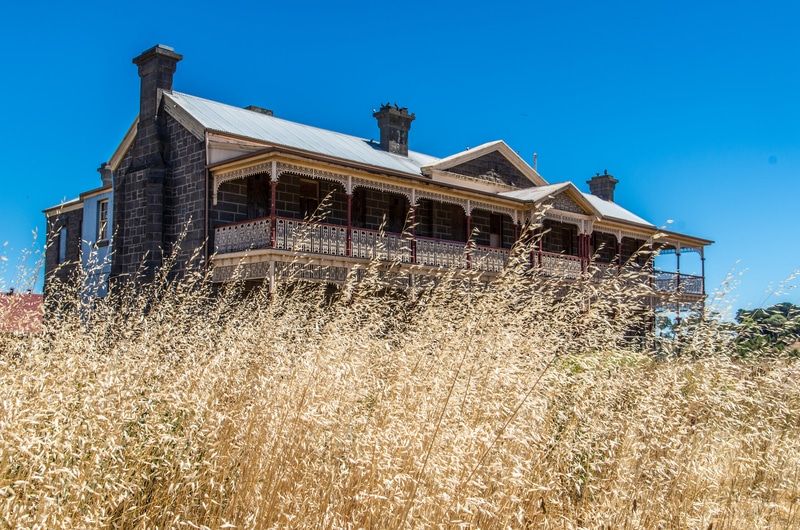
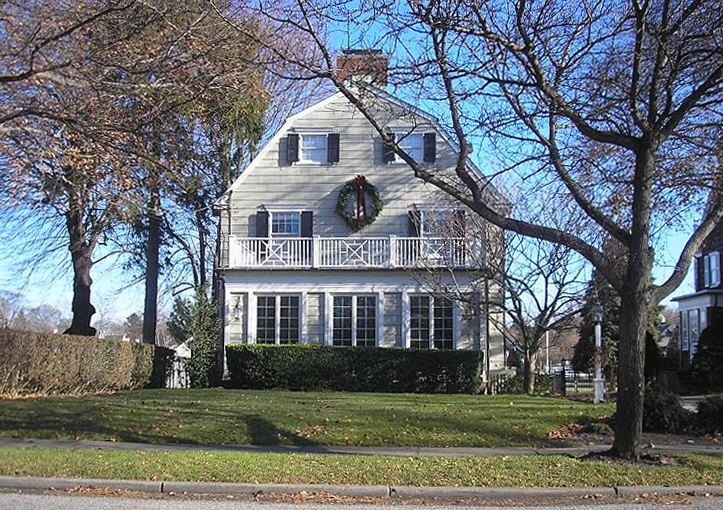
Old abandoned Kyneton Hospital building in Victoria, Australia

⬅ See all events from 3 September

Spread the word on your favourite platform!

1816: Constable Thomas Wright Killed After Removing an Illicit Still from the Army Barracks

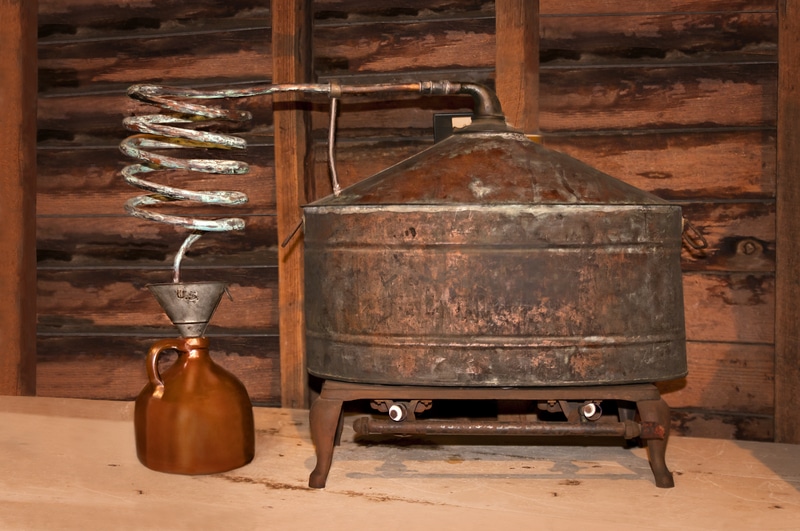
Early morning, September 2nd 1816, Constable Thomas Wright was standing outside the Guard Room at the army barracks in Sydney's outer settlement of Windsor when he was assaulted with a cutlass. The attack is believed to have been motivated by his earlier removal of an illicit still from the barracks.

Three soldiers, were tried for his wilful murder and all three were acquitted owing to conflicting witness statements. According to the Sydney Gazette, the trial had excited considerable interest and ended in a manner gratifying to general feeling, but left the true circumstances of Wright's death unresolved.

Vintage Moonshine Still.

⬅ See all events from 2 September

Spread the word on your favourite platform!

1830: Bushranger Jack Donahue Shot Dead at Bringelly After Five Years as an Outlaw

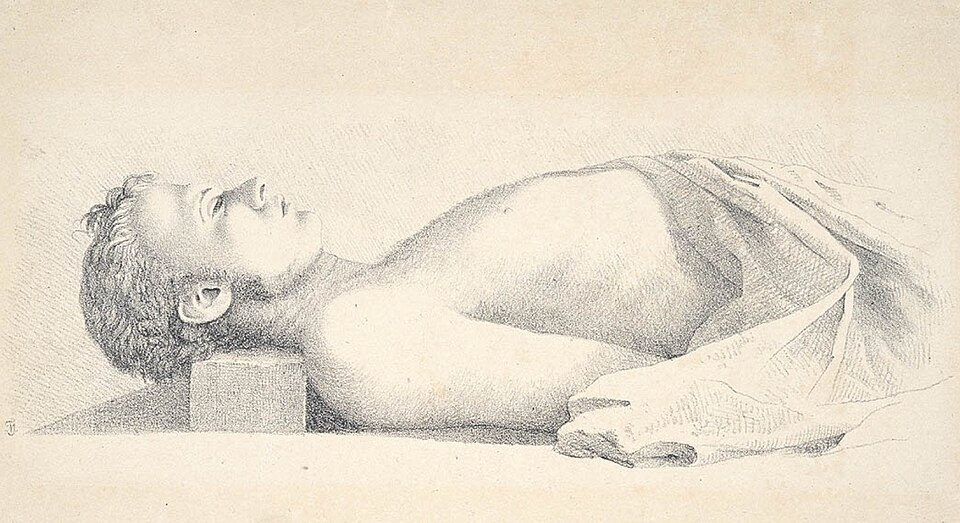
On 1 September 1830, the notorious Irish-born bushranger Jack Donahue, known as one of the Wild Colonial Boys, was shot dead during a confrontation between his gang and mounted police near Bringelly, New South Wales. A party of eight closed to within a hundred yards of Donahue and friends undetected. When the bushrangers spotted them, Donahue pulled off his hat and defied the officers: 'Come on, you cowardly rascals, we are ready, if there's a dozen of you.' After a standoff of nearly half an hour, shots were exchanged. A carbine ball and pistol ball fired by a mounted trooper struck Donahue in the left temple and neck, killing him instantly.

An inquest was held the following day at the Fox and Hounds Bar in Sydney, with his death being ruled justifiable homicide.

Donahue had been one of the most wanted men in the colony for five years as the figurehead of the Wild Colonial Boys. His death ended one of the most romanticised outlaw careers in early Australian history.

Drawing of the body of bushranger Jack Donahoe, c.1830. Attributed to Thomas Mitchell. Lithograph. Mitchell Library, State Library of New South Wales. Public domain.

⬅ See all events from 1 September

Spread the word on your favourite platform!
On This Day in True Crime History

Subscribe to Dark Stories

True crime stories, dark history and tour news, straight to your inbox.