1965: The Bread Van Disguise That Unmasked Moors Murderer Ian Brady

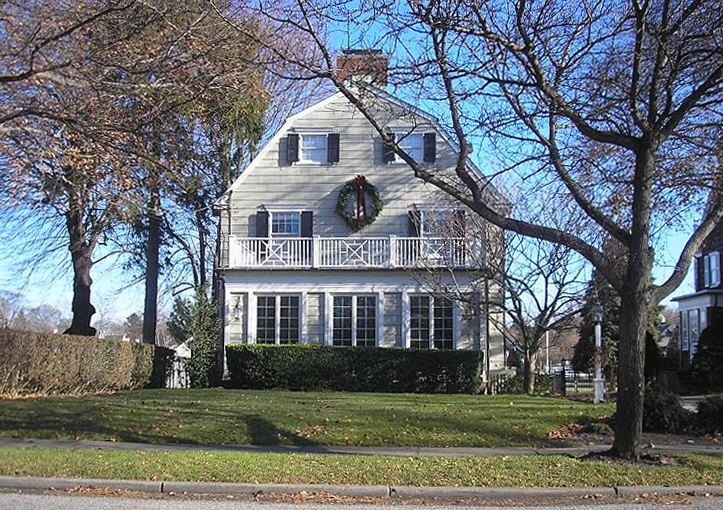
One October night in 1965, Ian Brady and his lover Myra Hindley brought a seventeen-year-old back to their home near Manchester, where Brady killed him with an axe in front of Hindley's brother-in-law, David Smith, whom they had wrongly taken for a kindIan Brady and Myra Hindley brought 17-year-old Edward Evans back to their home near Manchester after Brady had approached him at Manchester Central station. Brady attacked Evans with a hatchet in front of Hindley's brother-in-law, David Smith, whom Brady apparently believed could be drawn into his criminal world, before strangling Evans with electrical flex.

Smith was horrified and notified police the next morning. Police Superintendent Bob Talbot arrived at the house wearing a bread deliveryman's overall over his uniform. Inside, Brady was lying on a divan writing to his employer about his injured ankle. Talbot said he was investigating "an act of violence involving guns", and Hindley denied that any violence had occurred.

When officers asked for the key to a locked spare bedroom, Hindley claimed it was at work. Police offered to take her there to retrieve it, at which point Brady told her to hand it over. Inside the room, they found Evans's body, and Brady was arrested on suspicion of murder.
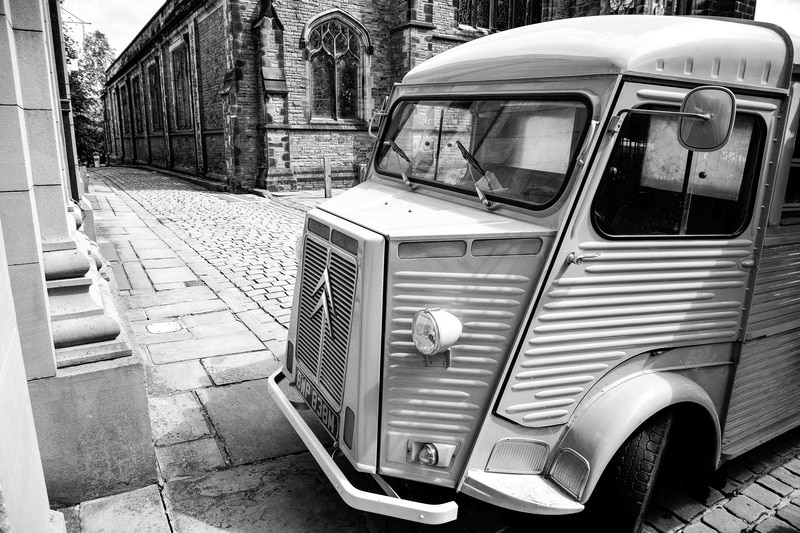

Classic Vehicle. Vintage Citroen Bread delivery van | ID 57067159 © Johnbaguley100 | Dreamstime.com
ID 57067159 © Johnbaguley100 | Dreamstime.com

⬅ See all events from 7 October

Spread the word on your favourite platform!

1977: The Banknote Clue That Could Have Caught the Yorkshire Ripper Years Early

Peter Sutcliffe hammered 20 year old Jean Jordan to death near a cemetery in Manchester, then realised the brand new £5 note he had just paid her was traceable straight back to his wage packet. Nine days later he returned in the dark to retrieve it, could not find it, and instead mutilated her body and attempted to cut off her head.

The note had been lying just outside the police search area the whole time, in her handbag under a fence. Detectives traced it to a Bradford pay run and interviewed thousands of workers, including Sutcliffe himself, twice. His alibi held, the inquiry stalled, and the man holding the incriminating fiver walked free for years before he was finally caught as the Yorkshire Ripper.

Piggy bank and new banknotes. Woman holding a piggy bank and new UK five pound notes | ID 82241351 © Peter Titmuss | Dreamstime.com
ID 82241351 © Peter Titmuss | Dreamstime.com

⬅ See all events from 1 October

Spread the word on your favourite platform!

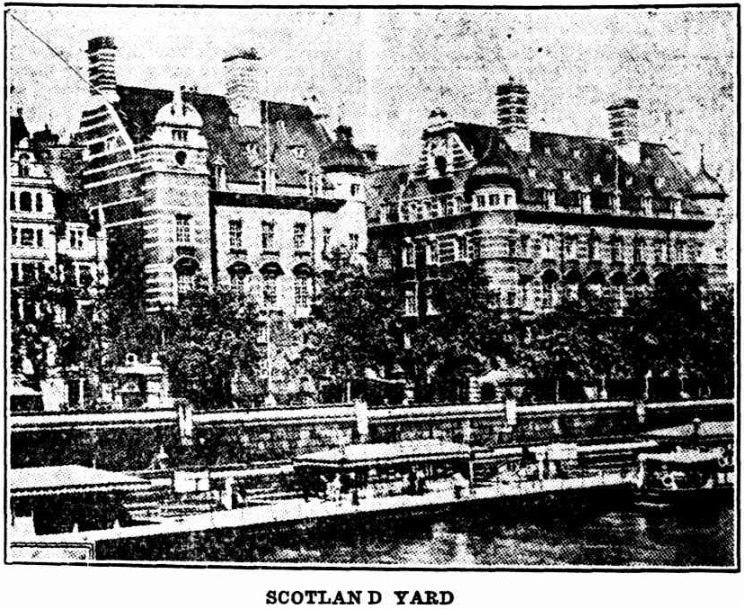
1829: The Birth of Scotland Yard: London Gets Its First Modern Police Force

Before 1829, London had no unified police, just a patchwork of parish constables and private watchmen who could barely keep pace with a city rife with theft, riot and violence. Home Secretary Robert Peel changed that, pushing through the Metropolitan Police Act and creating a single force answerable to the Crown rather than local vestries.

Its headquarters took its name from the street behind it, a quiet lane called Great Scotland Yard, and the name stuck long after the force outgrew the building. The new constables, soon nicknamed bobbies and peelers after their founder, were unarmed, uniformed and deeply distrusted at first by a public wary of state surveillance. Within decades Scotland Yard would become the model for modern policing worldwide, and its name a byword for criminal investigation itself.

Scotland Yard headquarters in London police force: 1929 centenary celebration

⬅ See all events from 29 September

Spread the word on your favourite platform!

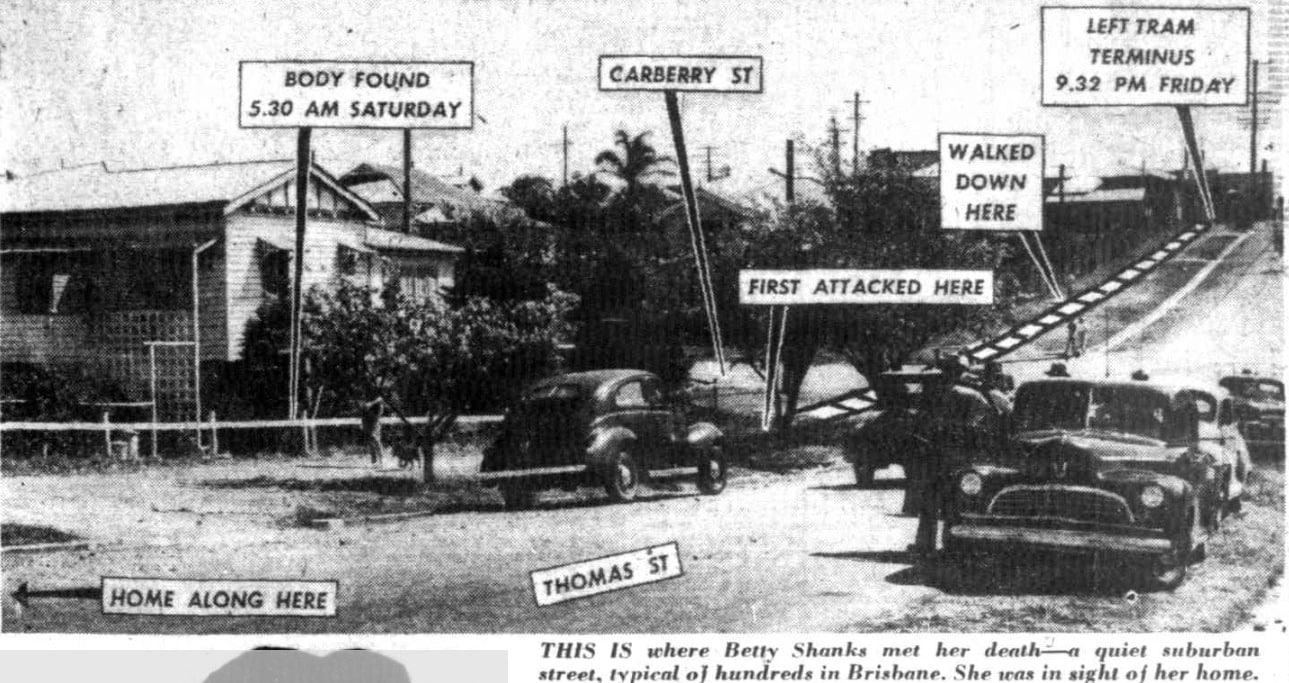
1952: An All-Night Manhunt: 400 Police Search Brisbane

By the early hours of 21 September 1952, more than 400 police had been drawn into the hunt for Betty Shanks’s killer in Brisbane. Patrol cars criss-crossed the suburbs and officers searched streets and parks through the night. Police leave was cancelled, at least 100 investigators went without sleep, and residents near the Wilston murder scene were warned to lock doors and windows amid fears of another attack.

An early lead came to nought, and after roughly 20 hours of investigation police were still searching without a breakthrough. A description was issued of a man wanted in connection with the killing, following reports of someone leaping a fence near where Betty’s body was found. Despite the massive manhunt, her murder would become one of Brisbane’s most famous cold cases, still unsolved today.

Crime scene street where Betty Shanks was killed near her home Brisbane

⬅ See all events from 21 September

Spread the word on your favourite platform!
On This Day in True Crime History

Subscribe to Dark Stories

True crime stories, dark history and tour news, straight to your inbox.