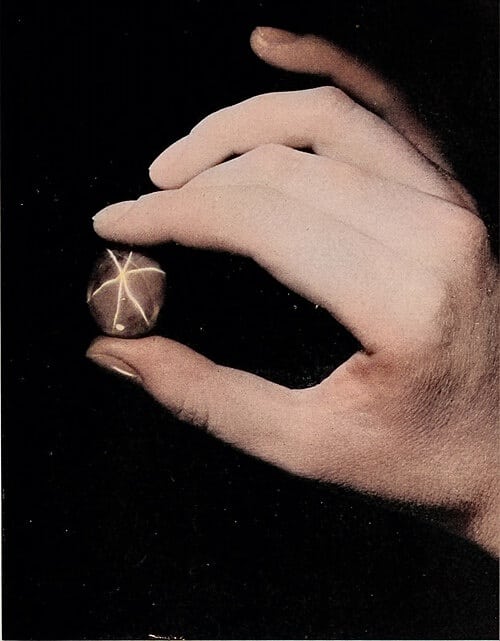
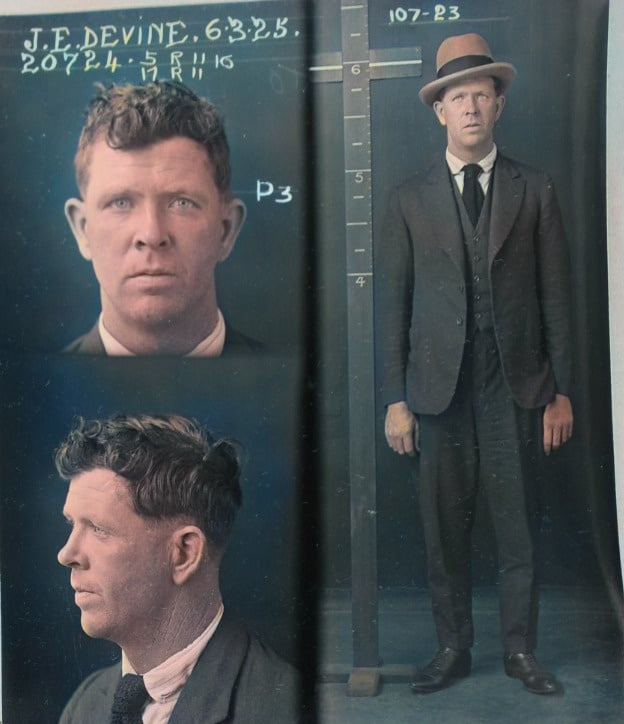
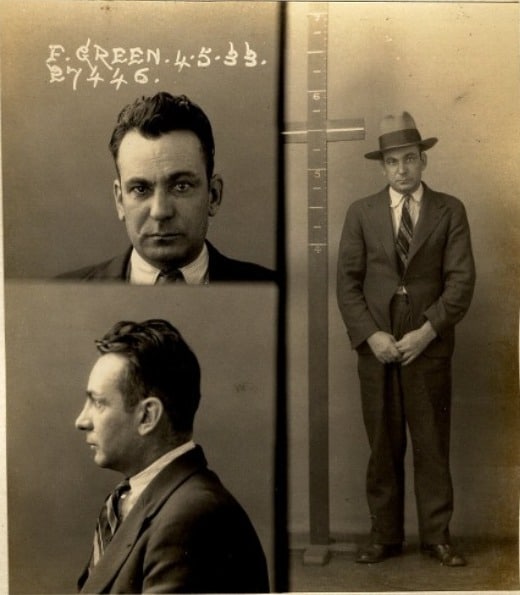
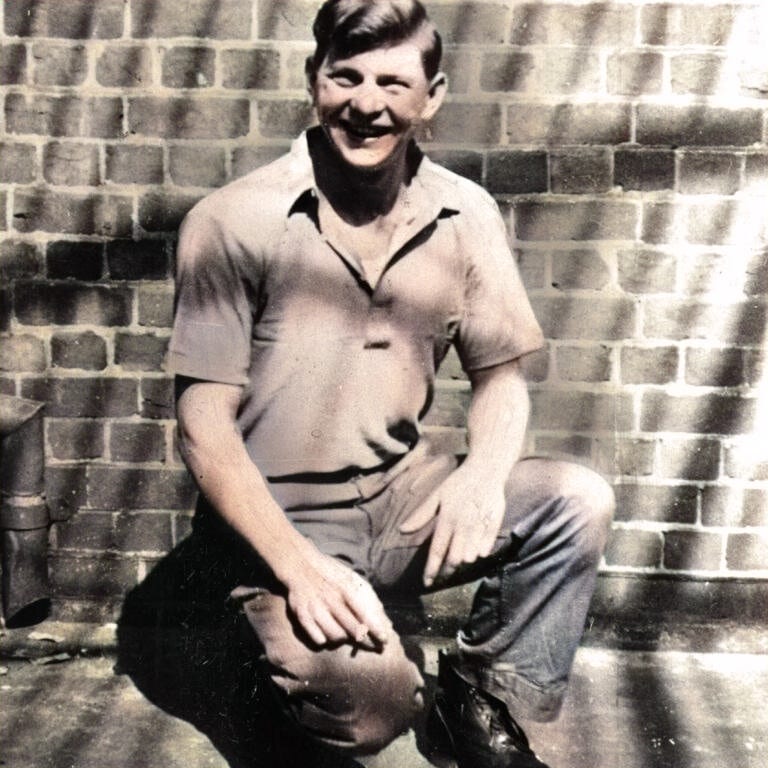
Thieves slipped into the Museum of Natural History in New York on this day in 1964 and lifted an extraordinary haul of gems, among them the 565-carat Star of India, the largest sapphire in the world, and the 100-carat DeLong Ruby.
The brazen theft stunned collectors and investigators alike, yet within weeks the culprits were tracked down and most of the stolen jewels, including the Star of India, were recovered.
Albert Anastasia had spent two decades building a reputation as the most feared man in organised crime, running Murder, Inc., the Mafia's contract-killing squad blamed for thousands of unsolved deaths, which earned him the nickname the Lord High Executioner. By the mid-1950s he had clawed his way to boss of his own crime family, but his brutal, unpredictable style had made him more enemies than allies.
On 25 October 1957, Anastasia settled into the barber's chair at a Manhattan hotel for a shave. His driver had parked the car and stepped outside, leaving him unguarded. Two gunmen with scarves hiding their faces burst in, shoved the barber aside and opened fire, chasing Anastasia as he staggered into the mirror before he fell dead. No one was ever charged, though a rival mobster later boasted to an associate, "You can just call the five of us the barbershop quintet."
Carl Denaro and Rosemary Keenan were sitting in a parked car near Bowne Park in Flushing, Queens, on this day in 1976 when the windows suddenly exploded around them. Denaro was bleeding from a bullet wound to the head, Keenan was only cut by flying glass, and in her panic she sped off for help without either of them realising anyone had actually fired at them.
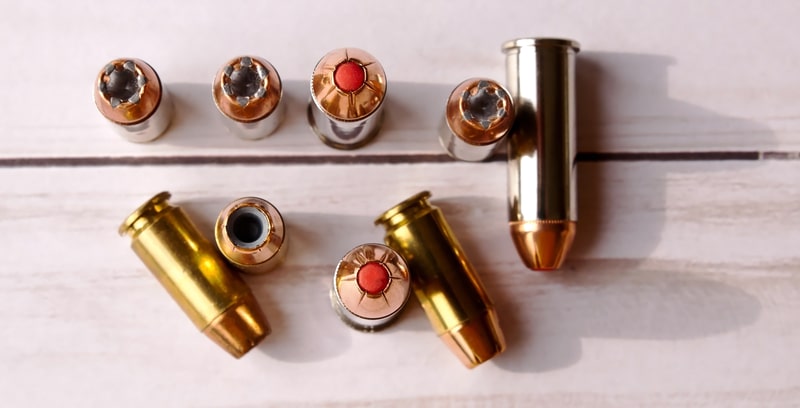
Police dug .44 calibre bullets out of the wrecked car, the same calibre already blamed for a string of near-identical attacks on young couples across New York, but the slugs were so deformed detectives doubted they could ever be traced to one weapon. The press had already given the unknown gunman a name before anyone had heard of "Son of Sam": the .44 Calibre Killer. Because Denaro wore his hair shoulder length, investigators later decided he had simply been mistaken for a woman.
Jurisdiction kept the dots unjoined for months: this shooting sat with one Queens precinct, a near-identical attack on another couple three months earlier in the Bronx sat with another, and the bullets went unmatched until more victims fell. David Berkowitz was arrested the following year and later confessed to shooting Denaro and Keenan himself.
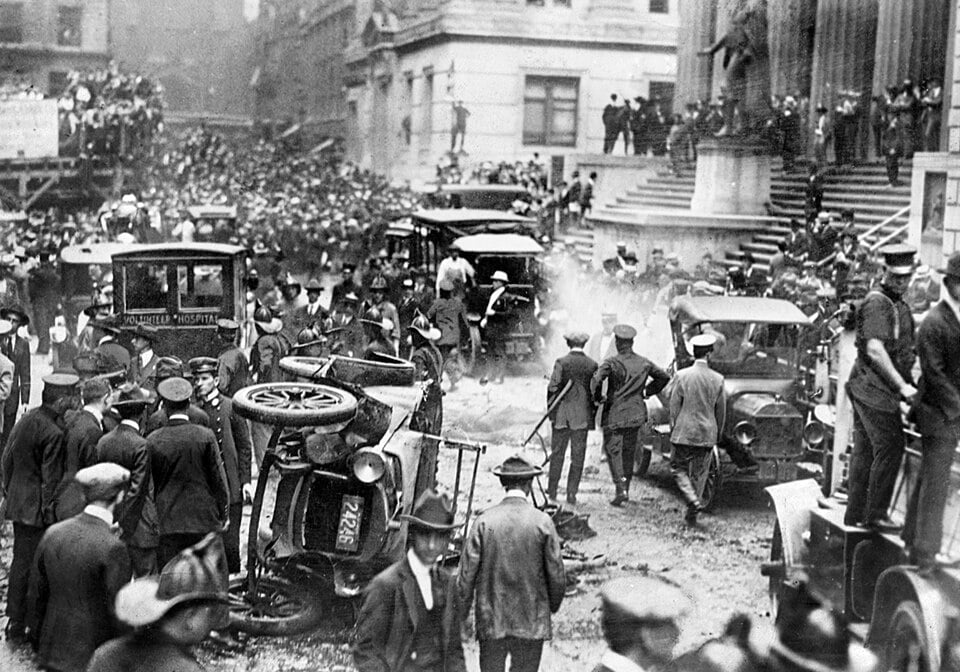
At 12:01 pm on September 16, 1920, a horse-drawn wagon parked across from the J.P. Morgan & Co. headquarters at 23 Wall Street exploded, packed with 100 pounds of dynamite and 500 pounds of cast-iron sash weights turned into shrapnel. Thirty people died instantly and eight more later succumbed to their wounds, with 143 seriously injured and hundreds hurt in total. Witnesses saw the driver step down and vanish down a side street moments before the blast; he was never identified.
Within a minute, the New York Stock Exchange president suspended trading to head off panic. A 17-year-old messenger, commandeered a parked car and used it to ferry 30 wounded victims to hospital as police seized nearby vehicles for the same purpose. Crews worked through the night to clear the wreckage so the Exchange could reopen the next morning, but in doing so destroyed evidence that might have identified the bomber.
Investigators from the Bureau of Investigation, forerunner of the FBI, suspected the attack was the work of Galleanist anarchists responsible for a string of bombings the previous year, but no one was ever charged. More than a century on, the Wall Street bombing remains unsolved, its perpetrator and motive still unknown.
Historic photo of bombing aftermath on Wall Street