1869: Wild Bill Hickok Shoots Cowboy Dead During Saloon Disturbance

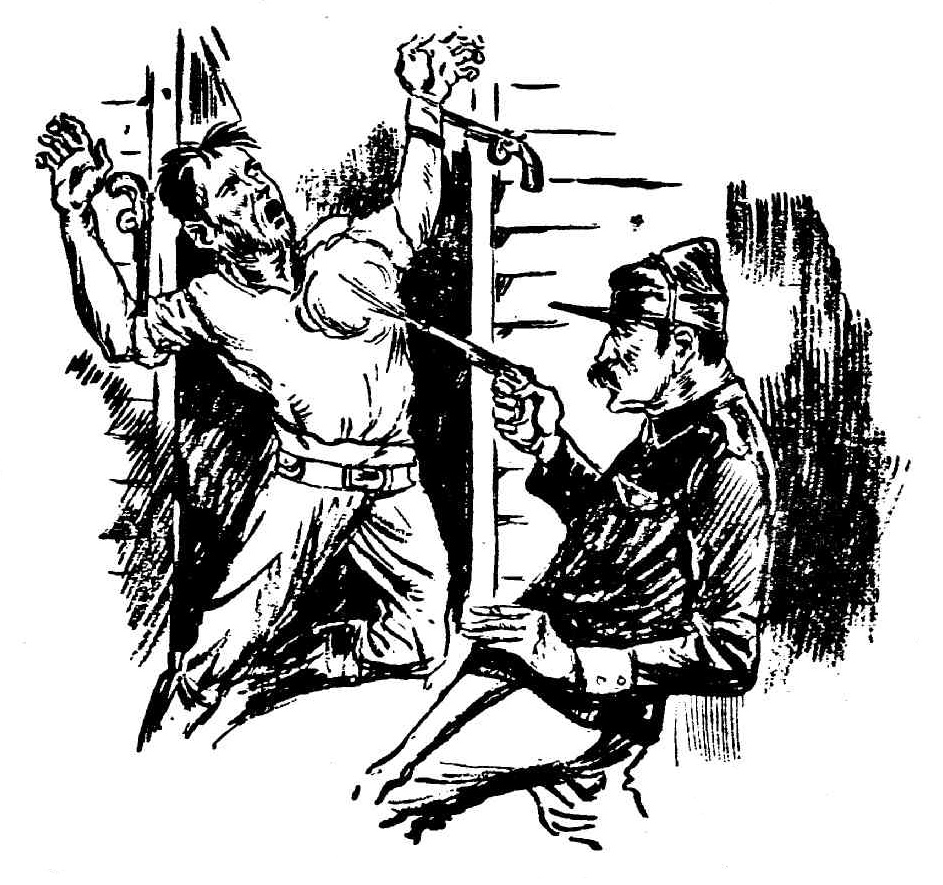
At about one o’clock on the morning of 27 September 1869, Sheriff “Wild Bill” Hickok and his deputy responded to a disturbance at John Bitter’s Beer Saloon in Hays City, Kansas. A cowboy named Samuel Strawhun and several drunken companions were reportedly damaging the saloon. During the confrontation, Strawhun made remarks against Hickok, who shot him through the head, killing him.

Hickok maintained that he had been trying to restore order. Despite conflicting witness accounts, a jury at the coroner’s inquest ruled the shooting justifiable. Strawhun was the second man Hickok had killed during his first month as sheriff.
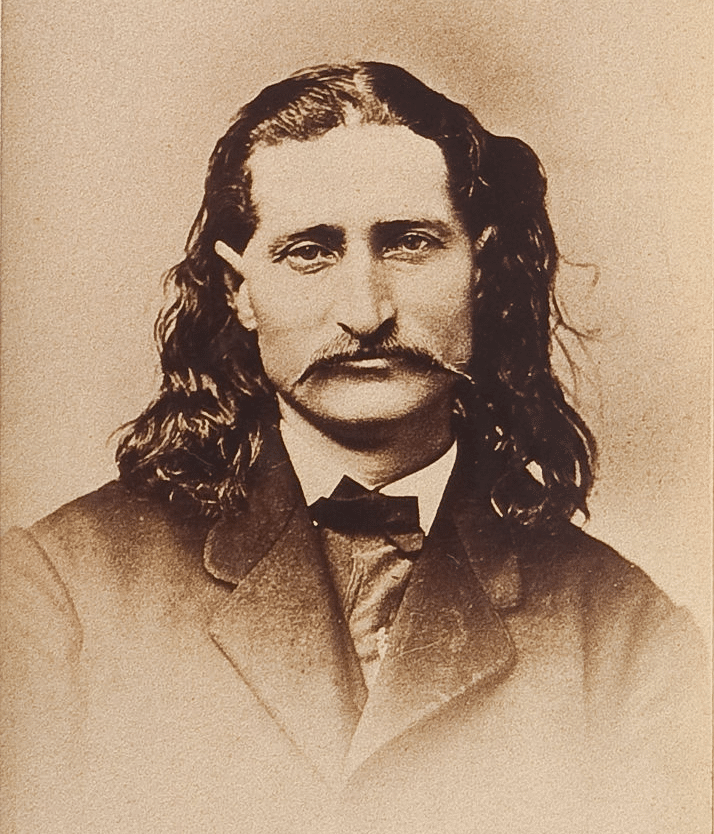

Sepia portrait of Wild Bill Hickok

⬅ See all events from 27 September

Spread the word on your favourite platform!

1830: Bushranger Jack Donahue Shot Dead at Bringelly After Five Years as an Outlaw

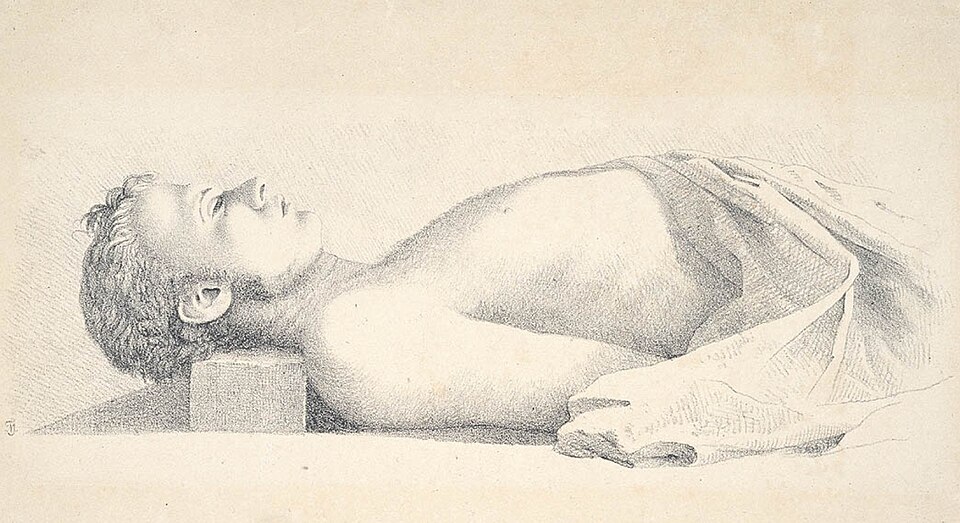
On 1 September 1830, the notorious Irish-born bushranger Jack Donahue, known as one of the Wild Colonial Boys, was shot dead during a confrontation between his gang and mounted police near Bringelly, New South Wales. A party of eight closed to within a hundred yards of Donahue and friends undetected. When the bushrangers spotted them, Donahue pulled off his hat and defied the officers: ‘Come on, you cowardly rascals, we are ready, if there’s a dozen of you.’ After a standoff of nearly half an hour, shots were exchanged. A carbine ball and pistol ball fired by a mounted trooper struck Donahue in the left temple and neck, killing him instantly.

An inquest was held the following day at the Fox and Hounds Bar in Sydney, with his death being ruled justifiable homicide.

Donahue had been one of the most wanted men in the colony for five years as the figurehead of the Wild Colonial Boys. His death ended one of the most romanticised outlaw careers in early Australian history.

Drawing of the body of bushranger Jack Donahoe, c.1830. Attributed to Thomas Mitchell. Lithograph. Mitchell Library, State Library of New South Wales. Public domain.

⬅ See all events from 1 September

Spread the word on your favourite platform!

1863: Fred Lowry Shot at Cook's Vale Creek: The Bushranger Who Died Game

Police raided a public house at Cook’s Vale Creek, New South Wales, on 29 August 1863, where bushranger Fred Lowry emerged armed with two revolvers and exchanged gunfire with Senior-Sergeant Stephenson. Lowry, a gaunt six-foot man born in Windsor around 1836 to former convicts, had built a career of horse theft, mail-coach robbery, and prison escape, briefly riding with the Gardiner-Hall gang before forming his own bushranger outfit. Shot in the throat during the exchange, Lowry was captured along with accomplice Larry Cummins, who was found in bed with a loaded revolver. Stolen banknotes from the Mudgee mail were recovered at the scene. Lowry died from his wound the following day. His purported last words, ‘Tell ’em I died game’, cemented his place as the archetypal Australian bushranger.

Captured and shot.
Captured and shot.

⬅ See all events from 29 August

Spread the word on your favourite platform!

1919: The Fitzroy Vendetta Erupts: Shots Fired into a Sly-Grog Shop, Squizzy Taylor Acquitted

On the night of 5 August 1919, shots were fired into a sly-grog shop at 31 Fleet Street, Fitzroy, wounding three people: Minnie Clarke, Dick Paget, and James Darcy. All three were treated at St Vincent’s Hospital and all three refused to speak to police. The attack was part of the bloody Fitzroy Vendetta, a running war between Richmond and Fitzroy underworld factions that had left a trail of shootings across Melbourne.

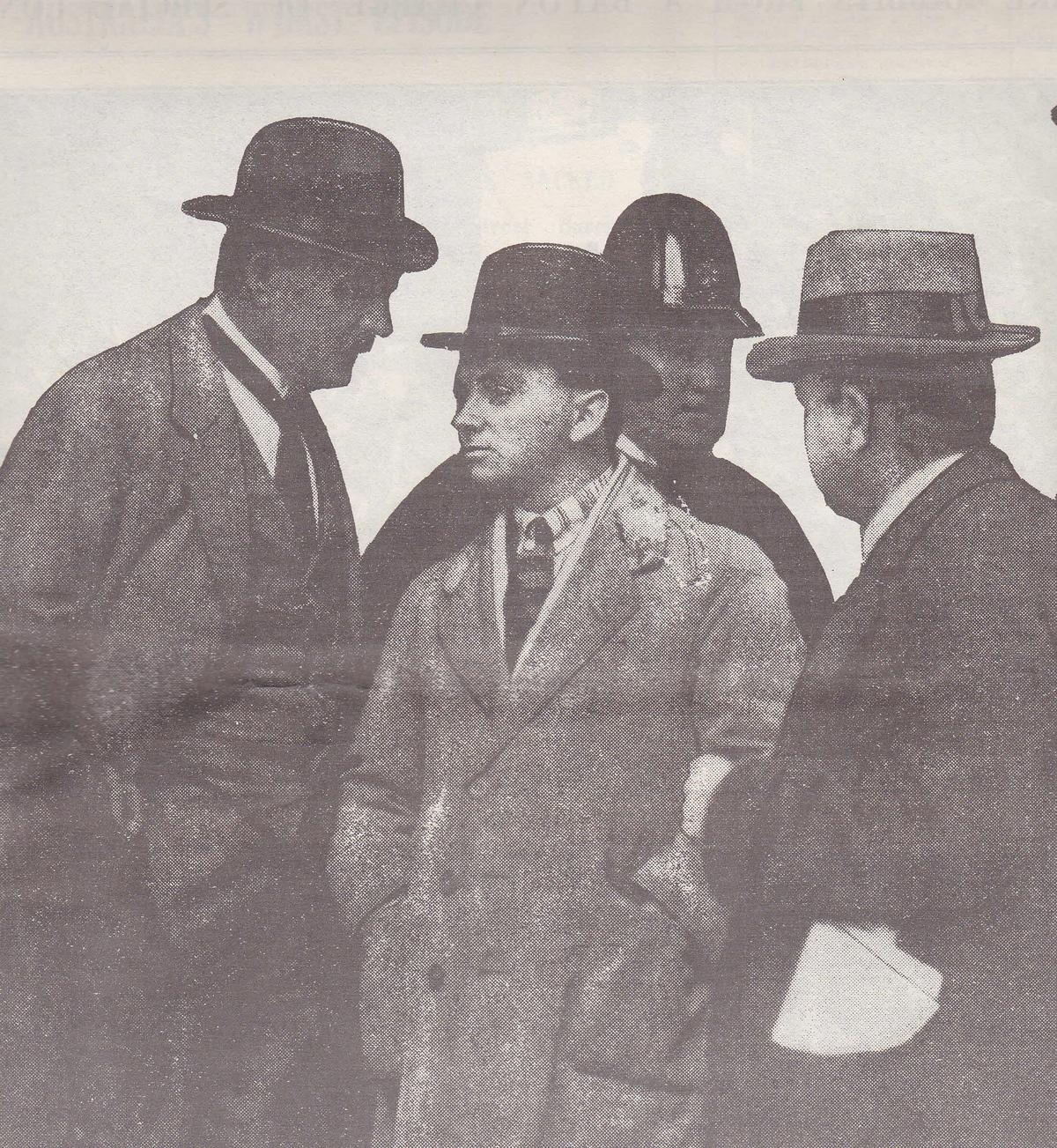
Police observed Leslie “Squizzy” Taylor and two other men leave the area by motor-car in the early hours and arrested him the following day in Bourke Street. At the Fitzroy Court, witnesses including a horse trainer, a miner, and a bookmaker’s clerk all placed Taylor inside a nearby house at the time of the shooting. The bench acquitted him. It was a result that would define his career: ten prior convictions, a reputation as a sneak thief and companion of thieves, and a courtroom that could never quite catch him.

Squizzy Taylor surrendering to police, September 1922. Image: The Sun, Melbourne, 22 September 1922. Public domain in Australia.

⬅ See all events from 5 August

Spread the word on your favourite platform!
On This Day in True Crime History
1891·The Mace, the Madam, and a Melbourne Scandal That Never Died
1959·Through a Chapel Ventilator: the Sydney Jailbreak That Triggered Australia's Biggest Manhunt
More Crime On This Day →

Subscribe to Dark Stories

True crime stories, dark history and tour news, straight to your inbox.