991: Ealdorman Byrhtnoth Killed as Vikings Crush the Saxons at Maldon

On 11 August 991, a Viking force under Norwegian king Olaf Tryggvason met the Anglo-Saxon fyrd of Essex at Maldon, on the Essex coast. Ealdorman Byrhtnoth, around sixty years old and said to stand nearly seven feet tall with swan-white hair, commanded the Saxon defence. In a fateful act of chivalric pride, he permitted the Vikings to cross a tidal causeway to fight on open ground. The decision proved catastrophic: Byrhtnoth fell in the battle, reportedly taking three men to kill, one of them nearly severing his arm.

The defeat became one of the defining disasters of late Anglo-Saxon England, accelerating the payment of Danegeld to Viking raiders. Byrhtnoth was buried at Ely Abbey, a monastery he had richly endowed with villages and lands. His widow presented the abbey with an embroidered tapestry commemorating his deeds. The battle inspired a celebrated Old English poem, and when his remains were examined in 1781, his skeleton confirmed the legendary stature: 6 feet 9 inches in height.
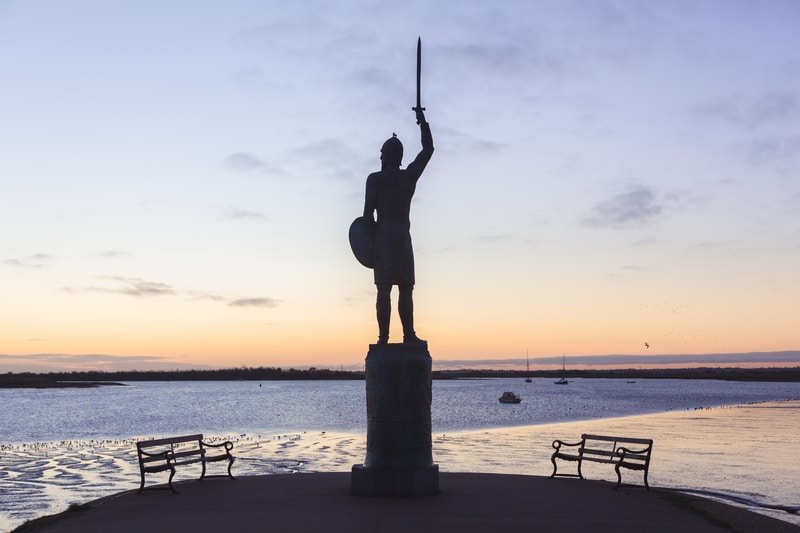

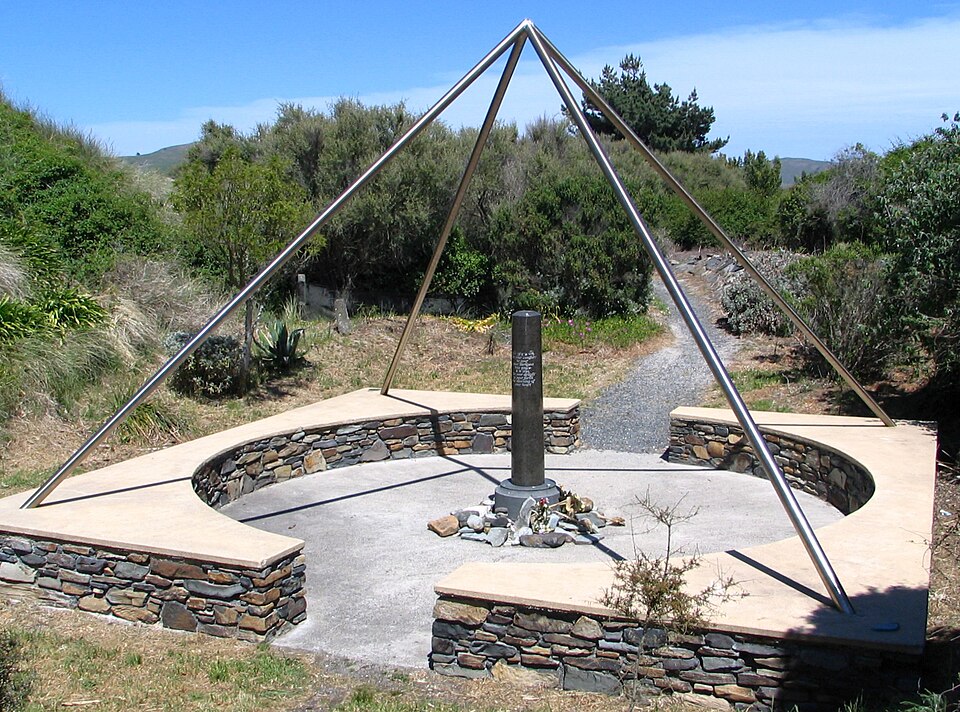
The Statue of Byrhtnoth at the end of Maldon Promenade in Essex, England | ID 211153857 © Jonathanritchie1990 | Dreamstime.com
ID 211153857 © Jonathanritchie1990 | Dreamstime.com

⬅ See all events from 11 August

Spread the word on your favourite platform!

1987: The Hoddle Street Massacre: Seven Dead in Melbourne Shooting Rampage

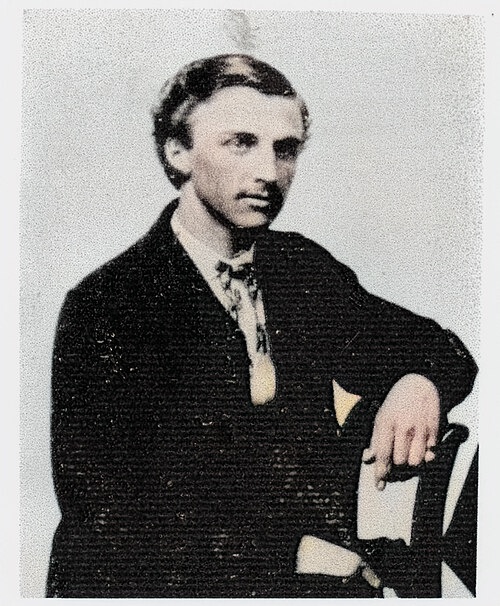
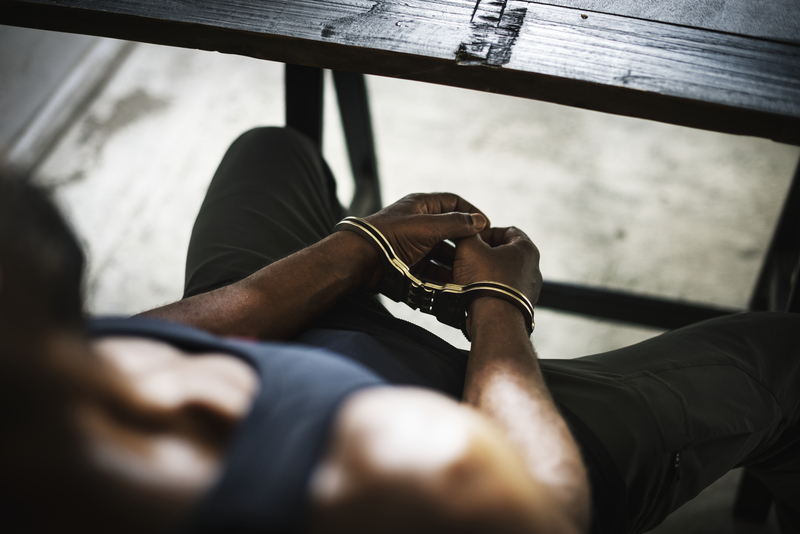
On the evening of 9 August 1987, 19-year-old Julian Knight opened fire on motorists and pedestrians along Hoddle Street in Clifton Hill, a suburb of Melbourne, killing seven people and seriously injuring 19 others. Knight had been discharged from the Royal Military College, Duntroon just 16 days earlier following a fight and stabbing at a bar. He returned home to find his girlfriend had left him and his mother had converted his bedroom. Armed with multiple weapons, he took to the street.

After a police chase lasting more than 30 minutes, Knight was caught in nearby Fitzroy North and arrested. He was later sentenced to seven concurrent life terms, with a non-parole period of 27 years, for what the presiding judge described as 'one of the bloodiest massacres in Australian history'. As Knight neared parole eligibility in 2014, the Victorian Government amended the Corrections Act to prevent his release unless he was in imminent danger of dying or physically incapable of causing harm.

The Hoddle Street Massacre: Seven Dead in <a href='https://darkstories.com.au/melbournes-true-crime-tour/' target='_blank' rel='noopener noreferrer'>Melbourne</a> Shooting Rampage

⬅ See all events from 9 August

Spread the word on your favourite platform!

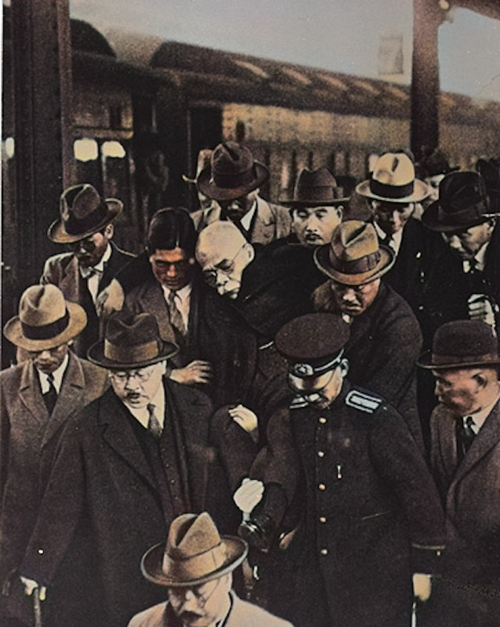
1944: The Cowra Breakout: Bloodiest Mass Prison Escape of World War II

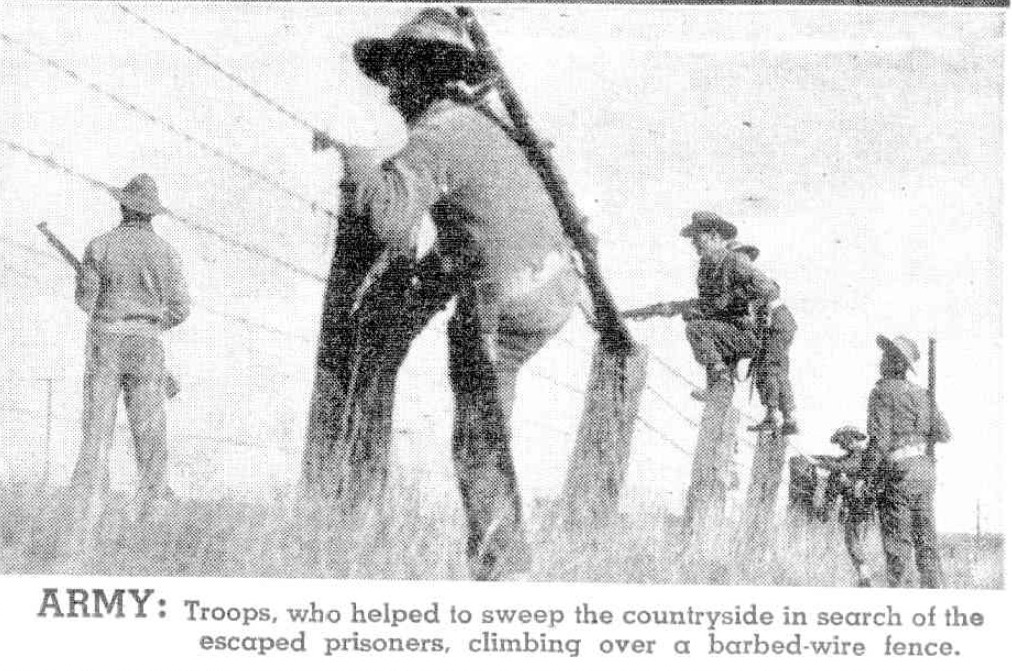
In the early hours of 5 August 1944, more than 1,000 Japanese prisoners of war held at the 12th Australian Prisoner of War and Internees Camp near Cowra, New South Wales, launched a mass breakout. Climbing over dead bodies and barbed wire, the escapees stormed the perimeter in what many had accepted as a suicide mission, a final bid to reclaim lost honour in the face of capture. It remains the largest mass escape of World War II and one of the bloodiest in history.

By the time the chaos subsided, 234 Japanese prisoners were dead and 108 wounded. Three Australian guards were killed, and a fourth officer was stabbed to death during the subsequent manhunt. Over 300 men were recaptured across the following nine days. The Cowra camp, opened in 1941, had grown to hold some 4,000 POWs and internees by 1944, including Italians, Formosans, Koreans, and Japanese non-commissioned officers, all held under Australia's National Security Act 1939.

Police and troops search for Cowra POW camp escapees August 1944

⬅ See all events from 5 August

Spread the word on your favourite platform!

1265: The Murder of Evesham: Simon de Montfort Crushed at the Height of His Power

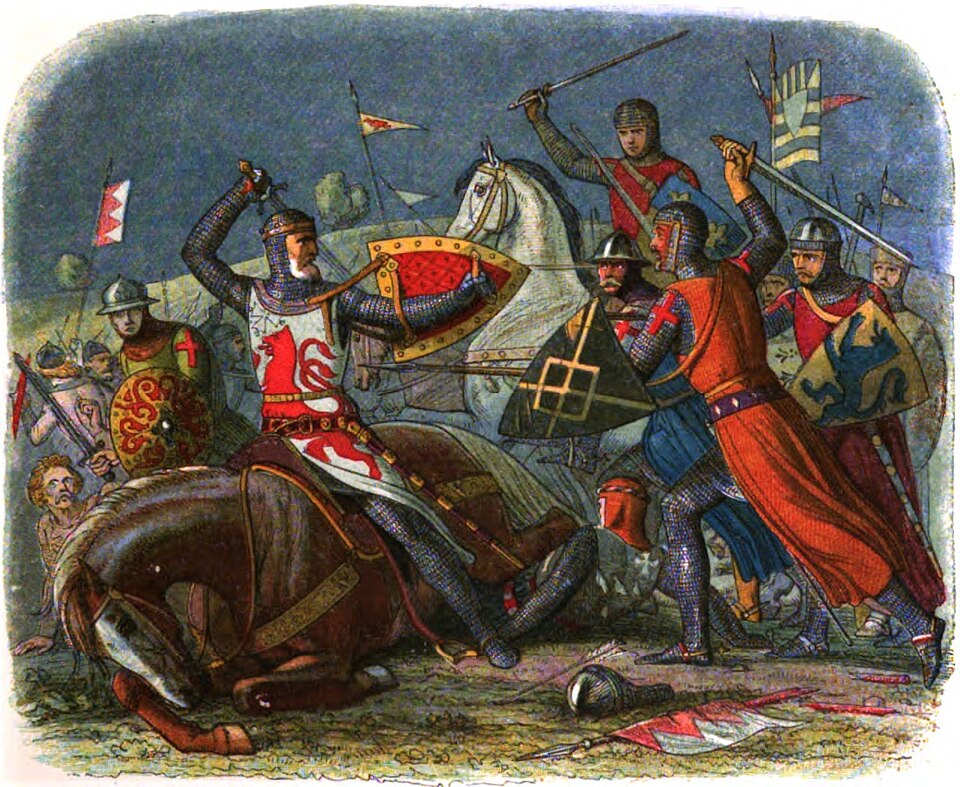
On 4 August 1265, the Battle of Evesham ended the Second Barons' War in one of medieval England's most decisive and brutal engagements. Simon de Montfort, Earl of Leicester, had dominated royal government since his victory at Lewes the previous year, holding King Henry III and Prince Edward in captivity. But the defection of key allies and the escape of Prince Edward unravelled his position. Trapped in a loop of the River Avon near Evesham, Worcestershire, outnumbered two to one and deceived by captured banners flown to disguise the approaching royalist army, de Montfort knew his fate. His reported final words: 'Our bodies are theirs, our souls are God's.'

The battle was short and merciless. De Montfort was killed and his body mutilated. The contemporary chronicler Robert of Gloucester called it 'the murder of Evesham, for battle it was none.' Royal authority was restored, though pockets of resistance persisted until the Dictum of Kenilworth in 1267.

Simon de Montfort, 6th Earl of Leicester, dies in the Battle of Evesham.

⬅ See all events from 4 August

Spread the word on your favourite platform!
On This Day in True Crime History

Subscribe to Dark Stories

True crime stories, dark history and tour news, straight to your inbox.