1847: Mutilated to Frame a Maori Attack: the Family Murder That Nearly Sparked War in Auckland

When lookouts aboard HMS Dido spotted flames rising from a home near Auckland on 22 October 1847, sailors raced ashore to find Lieutenant Robert Snow, his wife Hannah and their young daughter Mary butchered, with flesh cut from each body and the house set alight. The staging was deliberate: ship’s carpenter Joseph Burns had mutilated the family to make the killings look like a Maori attack, hoping to steal the twelve pounds in naval pay kept in the house and spark fears of an uprising that gripped Auckland for weeks.

With Maori leaders unable to produce a culprit, suspicion only turned to Burns after he coerced his partner, Margaret Reardon, into backing a false confession blaming two innocent neighbours. Mid trial, word reached the court that Burns had cut his own throat in a failed suicide attempt, and in its aftermath he retracted the accusation. Reardon then testified against him, and Burns was convicted and hanged the following June, becoming the first European executed in New Zealand.

Burns went to the gallows having made a full confession, though it unfairly implicated Reardon, who was later convicted of perjury and transported to Tasmania.
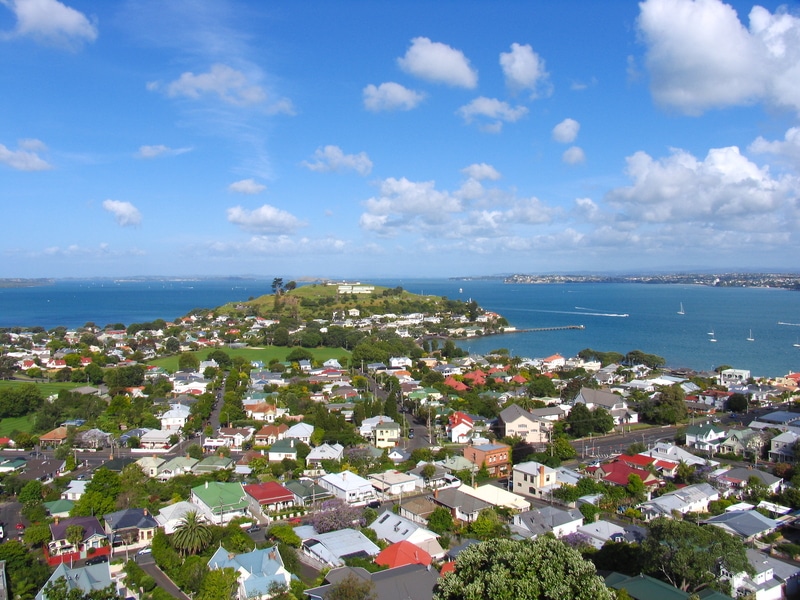

Devonport, New Zealand, Today

⬅ See all events from 22 October

Spread the word on your favourite platform!

1769: Kidnappers Bay: Captain Cook Names a New Zealand Inlet After a Botched Abduction

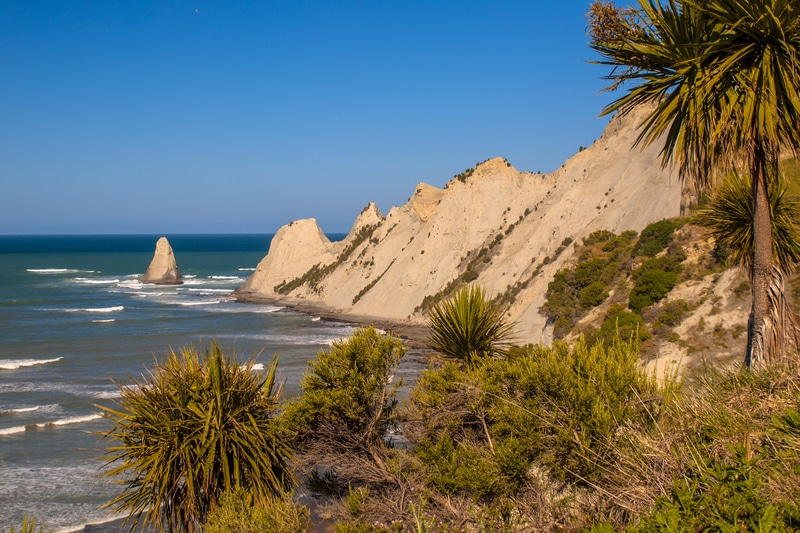
On 15 October 1769, during his first voyage along the coast of New Zealand, Lieutenant James Cook watched a group of Maori men attempt to seize a servant from his landing party and haul him away in a canoe. The attempt failed and the servant was recovered, but Cook marked the spot on his chart with a name that stuck: Kidnappers Bay.

According to the Maori version of events recorded at the time, the men believed they were not abducting a stranger at all, but rescuing a Maori boy they thought was being held captive aboard the English ship. The misunderstanding, born of two cultures reading the same scene in entirely different ways, turned a rescue attempt into what the English recorded as a kidnapping.

Cape Kidnappers View

⬅ See all events from 15 October

Spread the word on your favourite platform!

1985: France Finally Admits State-Sponsored Terrorism: the Bombing of the Rainbow Warrior in Auckland

On 10 July 1985, agents of the French secret service DGSE attached two bombs to the hull of the Greenpeace flagship Rainbow Warrior as it lay moored in Auckland Harbour, sinking the vessel and killing Portuguese photographer Fernando Pereira, who drowned trying to retrieve his camera equipment. The ship had been preparing to lead a protest flotilla against French nuclear testing in the Pacific.

Two French agents, Alain Mafart and Dominique Prieur, were arrested in New Zealand travelling under false Swiss identities and later pleaded guilty to manslaughter, drawing widespread attention to the operation’s codename, Operation Satanique.

For weeks the French government denied any involvement, until on 22 September 1985 Prime Minister Laurent Fabius publicly admitted that French secret service agents had sunk the ship acting on orders, an extraordinary confession of state-directed sabotage carried out against an allied nation.

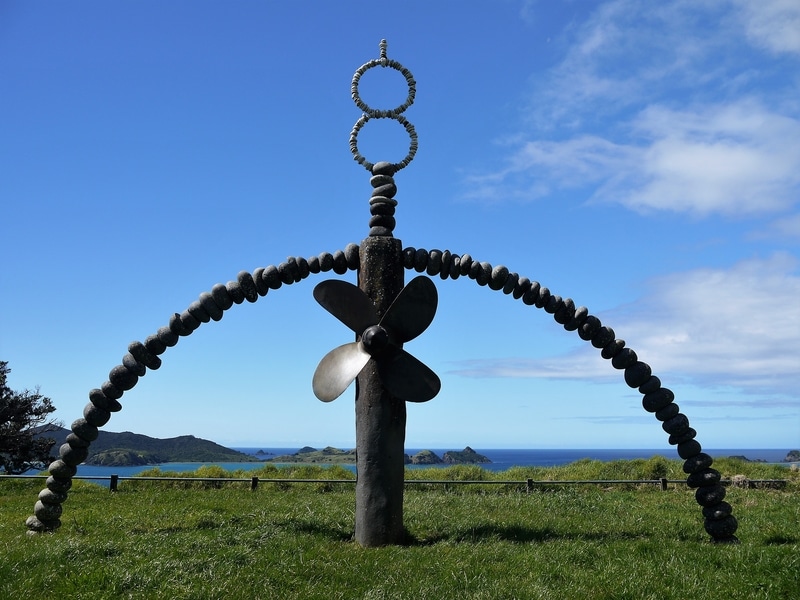
New Zealand: Matauri Bay Rainbow Warrior memorial. Matauri Bay, Northland, memorial to Rainbow Warrior sculpted by Chris Booth | ID 101374786 © Jill Shepherd | Dreamstime.com
ID 101374786 © Jill Shepherd | Dreamstime.com

⬅ See all events from 22 September

Spread the word on your favourite platform!

1895: Minnie Dean Hanged at Invercargill for the Murder of an Infant

Minnie Dean, a baby farmer operating out of The Larches cottage in Winton, New Zealand, was executed by hanging at Invercargill Gaol on 12 August 1895. Convicted of murdering infant Dorothy Edith Carter, she became the first and only woman ever hanged in New Zealand. Police had grown suspicious after discovering she had attempted to take out life insurance policies on children in her care. In May 1895, a railway guard reported she had boarded a train with a baby and a hatbox, departing with only the box. Three children’s bodies were later found buried in her garden, though investigators believed the true number of victims may have been far greater.

Born Williamina McCulloch in Scotland in 1844, Dean had emigrated to New Zealand and married Charles Dean in 1872. She took in unwanted infants for payment, a practice known as baby farming, at a time when illegitimate births carried severe social stigma. An 1891 inquest had found her premises inadequate but stopped short of criminal charges. Her arrest in 1895 ended a career that had taken in as many as nine children at a time under a veneer of respectability.

At the scaffold, Dean maintained her innocence to the last, stating: ‘I have nothing to say, except that I am innocent.’

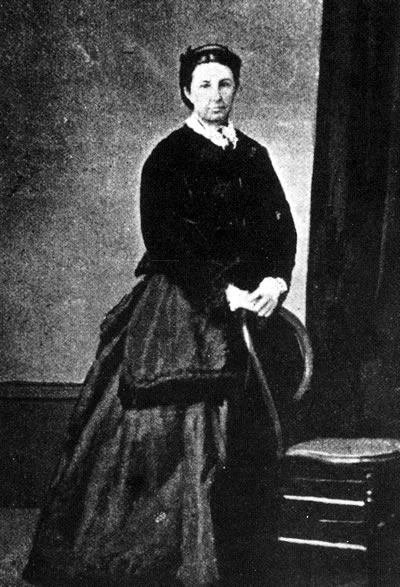
Minnie Dean, photographed at the time of her marriage in 1872. | New Zealand Graphic, 20 July 1895, p. 63, via NZHistory.
New Zealand Graphic, 20 July 1895, p. 63, via NZHistory.

⬅ See all events from 12 August

Spread the word on your favourite platform!
On This Day in True Crime History
1852·Mercy Recommended, Mercy Denied: John Riches Hanged in Melbourne Over a Deadly Camp Quarrel
1989·Twice in 24 Hours: the Granny Killer Claims Another Victim in Sydney
2005·The First Murder Convictions of the Melbourne Gangland War: Keith Faure and Evangelos Goussis Convicted
More Crime On This Day →

Subscribe to Dark Stories

True crime stories, dark history and tour news, straight to your inbox.