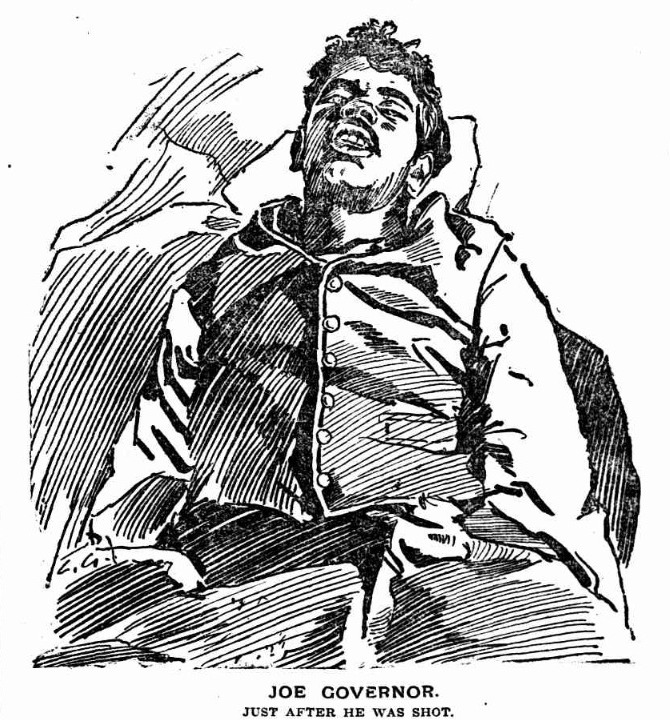
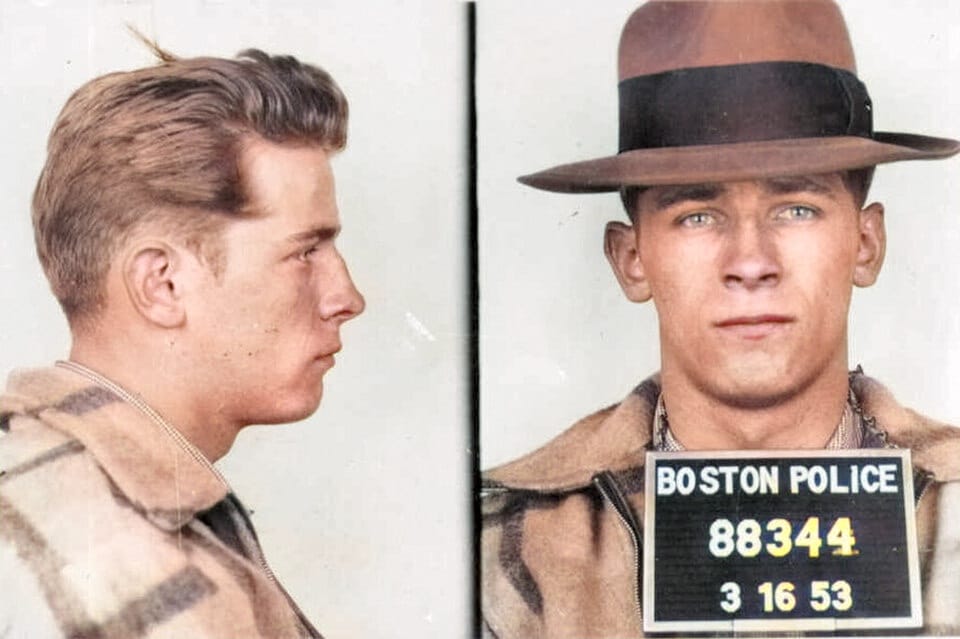
Thomas Menard, known on the road as “Yankee Tom”, shot his mate James Sweeney dead in a hut near Warrnambool on 10 June 1865 after what witnesses later described as relentless taunting between the two men; some swore Sweeney had reached for a quarrying hammer the moment Menard raised a pick against him. Menard fled south and vanished.

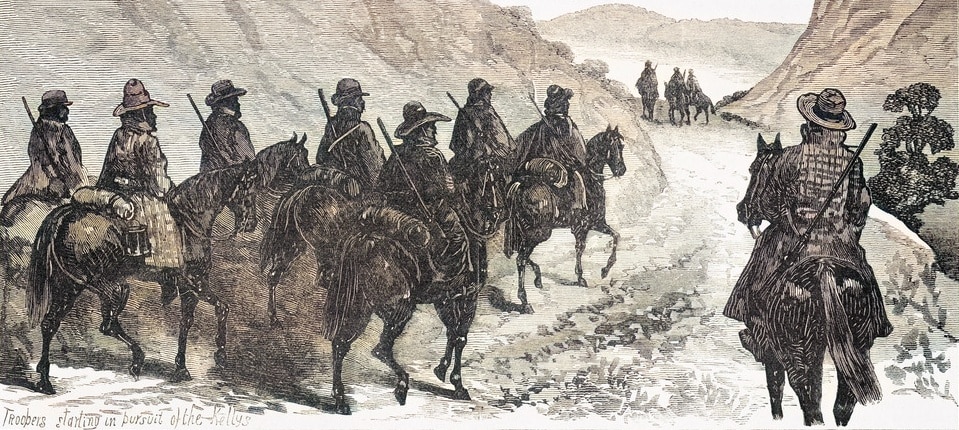
Police lost his trail for weeks. He resurfaced near Wodonga under the alias James Barrett, arrested over an armed robbery, and when Sergeant Bambrick recognised him a gunfight broke out on the spot: pistols fired at close range until Bambrick wrenched his wrist down, burying the shot in the dirt, and clubbed him senseless with the butt of his own revolver.

Menard was committed for trial and convicted of Sweeney’s murder. He was hanged at Geelong on this day in 1865, having told the court at his committal that he had nothing to say.
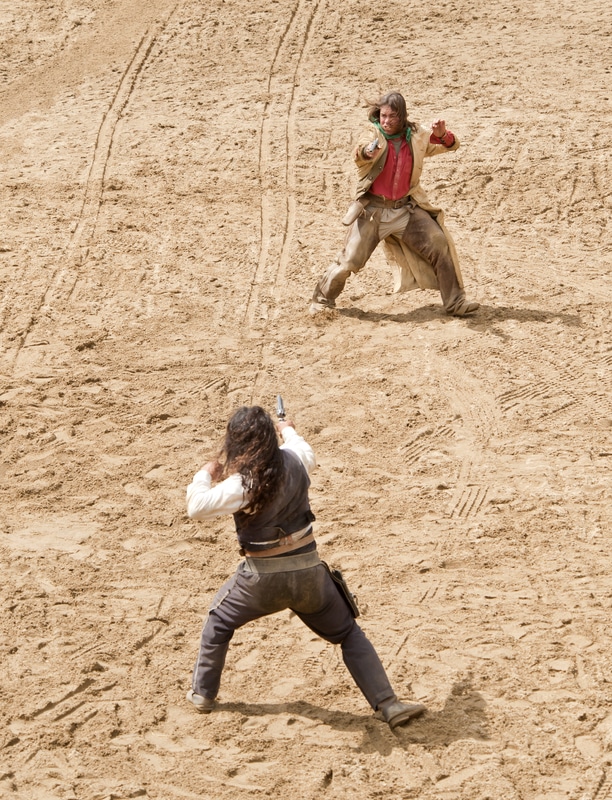

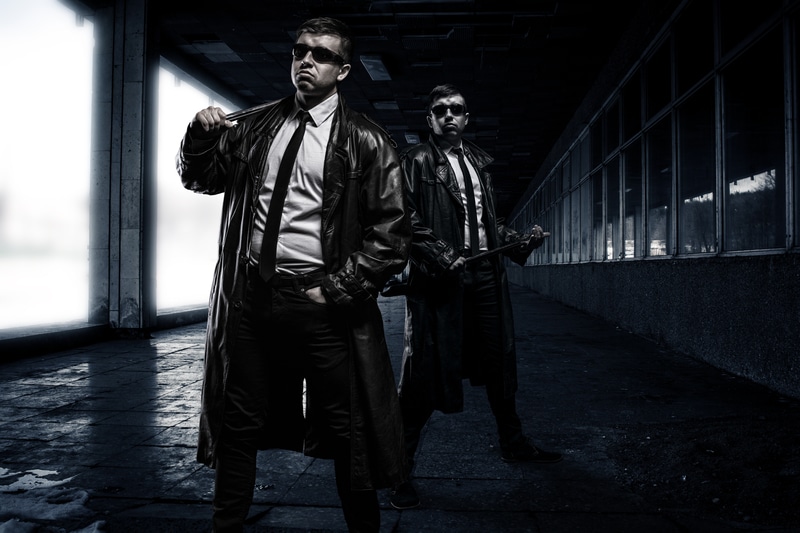
Shootout on a lonley road.

⬅ See all events from 28 October

Spread the word on your favourite platform!

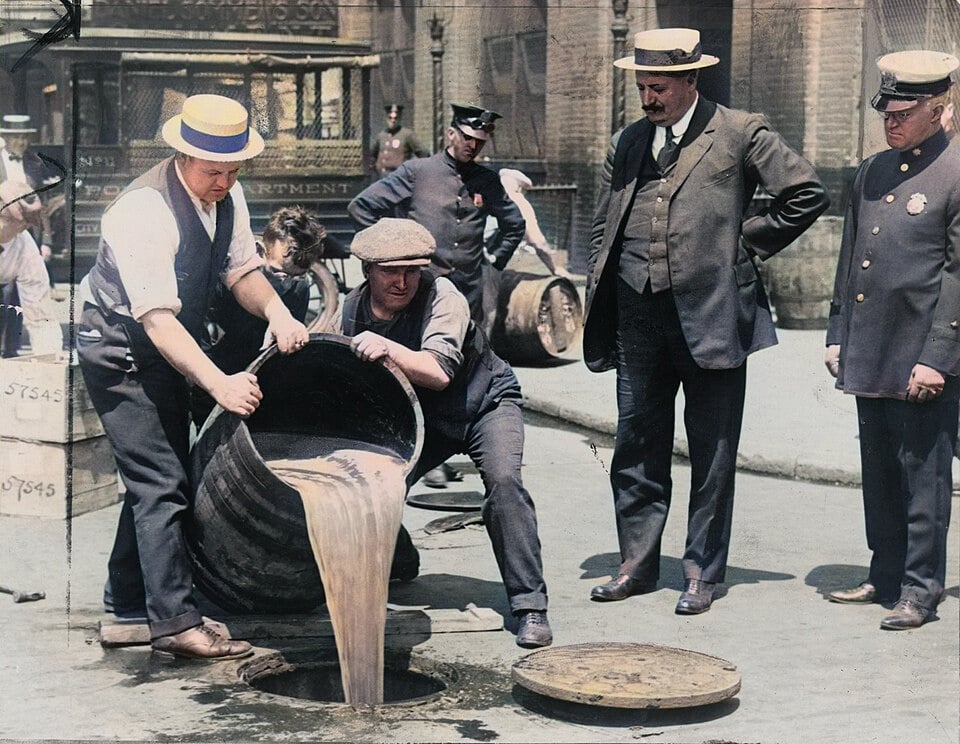
President Woodrow Wilson vetoed it, warning that banning alcohol while rationing wartime grain made no sense now the war was over. Congress disagreed, and on this day in 1919 the Senate and House of Representatives overrode his veto, pushing the Volstead Act into law and setting a date to enforce the newly ratified Eighteenth Amendment.

The Act gave Prohibition its teeth: it defined any drink over 0.5 percent alcohol as illegal and handed federal agents the power to raid, seize and prosecute. Within months, that vacuum would be filled not by sobriety but by bootleggers, speakeasies and the organised crime syndicates who built fortunes smuggling what the law had just made forbidden.

New York City Deputy Police Commissioner overseeing the disposal of confiscated liquor during Prohibition, c. 1921. Source: Library of Congress.

⬅ See all events from 28 October

Spread the word on your favourite platform!

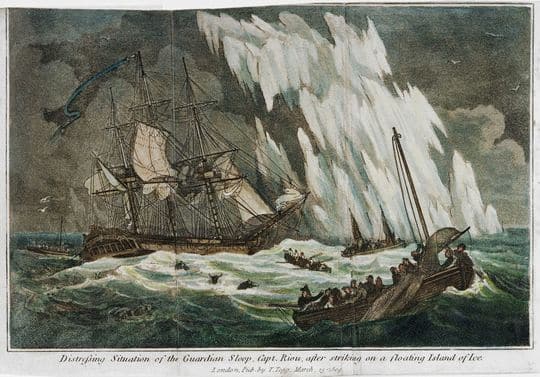
William Harris had only just walked free from a Birmingham gaol, a three month sentence for robbing an outhouse behind him, when he broke into another house in the same street that same night. Caught in the act, he was convicted of burglary and condemned to death, later reprieved to transportation for life. He survived the notorious Second Fleet voyage aboard the Neptune, one of the deadliest convict crossings in Australia’s history, in which scores of prisoners perished before the ship ever reached Sydney.

In the young colony, Harris fell in with fellow convict Edward Wildblood, and the pair spent weeks pilfering from other convicts’ huts before fleeing into the bush. Recaptured and chained together on bread and water, they escaped again within weeks and broke into a hut, beating a sick settler and stealing beef, flour, a frock and a book. Tried for the break-in, the two men were hanged together on this day in 1790, among the first executions carried out in the young colony, with settlers gathered to watch them die from a tree.

In an extraordinary coincidence, Harris and Wildblood were both recorded as having been born on 1 January 1764. Their lives would ultimately end together, on the same day and at the same gallows, aged just 26.

Second Fleet aka The Death Fleet in distress

⬅ See all events from 28 October

Spread the word on your favourite platform!

Ivan Milat, convicted of murdering seven backpackers whose remains were scattered through the Belanglo State Forest south of Sydney, spent 25 years in custody without ever publicly admitting guilt. He told interviewers his family had nothing to do with the killings, and police who visited him eight times in his final months, even playing him recorded messages from victims families, could not shake his denial.

His years inside were marked by strange, desperate acts of self-harm. In 2009 he sliced off his own little finger with a plastic knife, intending to post it to the High Court of Australia to force an appeal, and in 2011 he starved himself for nine days and lost 25 kilograms in a failed bid to be given a PlayStation.

Milat died of oesophageal cancer in the hospital wing of a Sydney prison on this day in 2019, still publicly protesting his innocence. He reportedly told his mother, the one person he trusted, that he had carried out the backpacker murders.

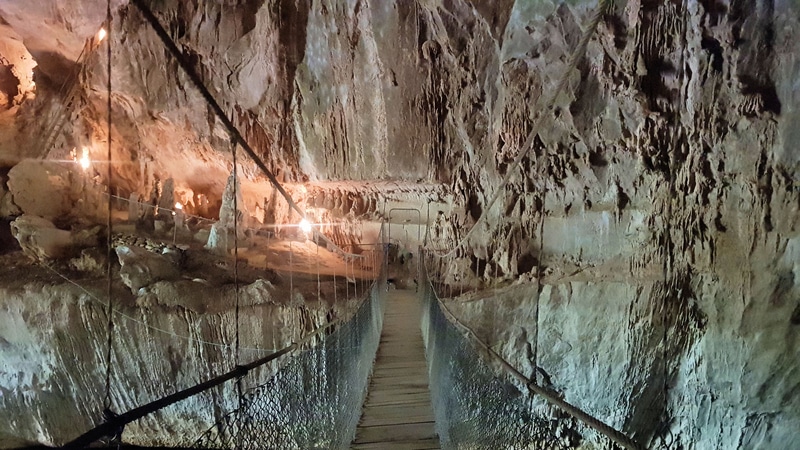
Dark History of Belanglo Forest

⬅ See all events from 27 October

Spread the word on your favourite platform!
On This Day in True Crime History

Subscribe to Dark Stories

True crime stories, dark history and tour news, straight to your inbox.