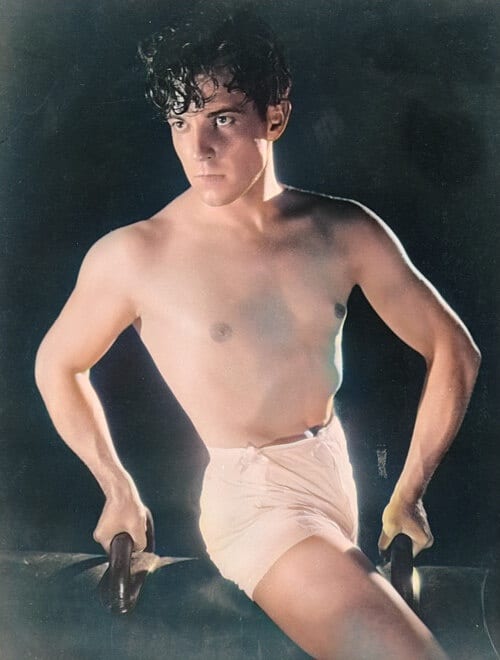
Squizzy Taylor, Melbourne’s most infamous gang leader, walked into a Carlton sickroom on 27 October 1927 to settle an old score with his bedridden rival, John “Snowy” Cutmore. Within minutes, gunfire tore through the small house and both men were mortally wounded.

Taylor was rushed to St Vincent’s Hospital in nearby Fitzroy, where he died that evening, aged 39, without ever naming who had fired the fatal shot.

The inquest returned an open verdict. One enduring theory holds that it was not Cutmore but his mother, standing over her dying son, who pulled the trigger that finally brought down Melbourne’s most feared gangster.
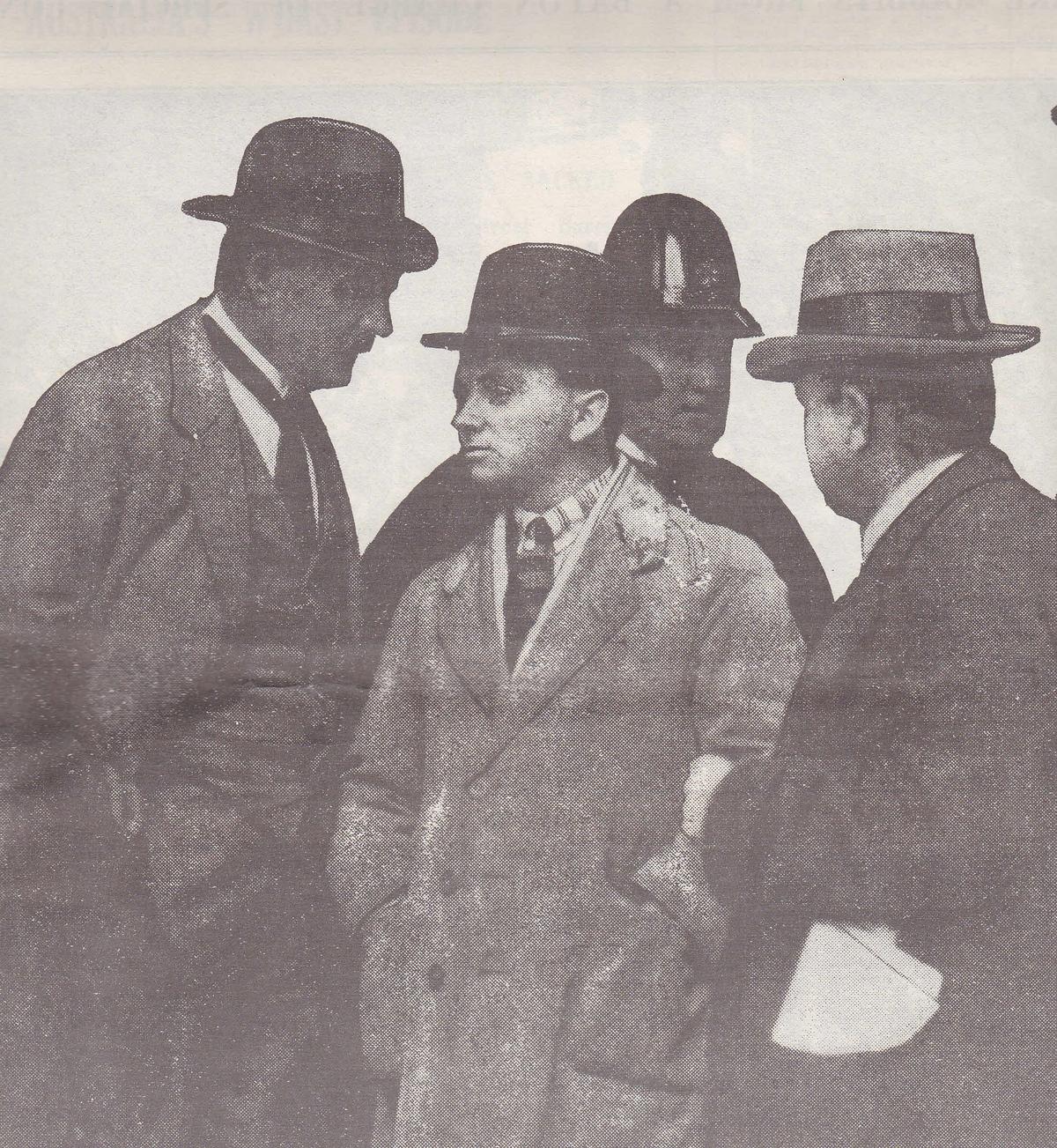

Squizzy Taylor
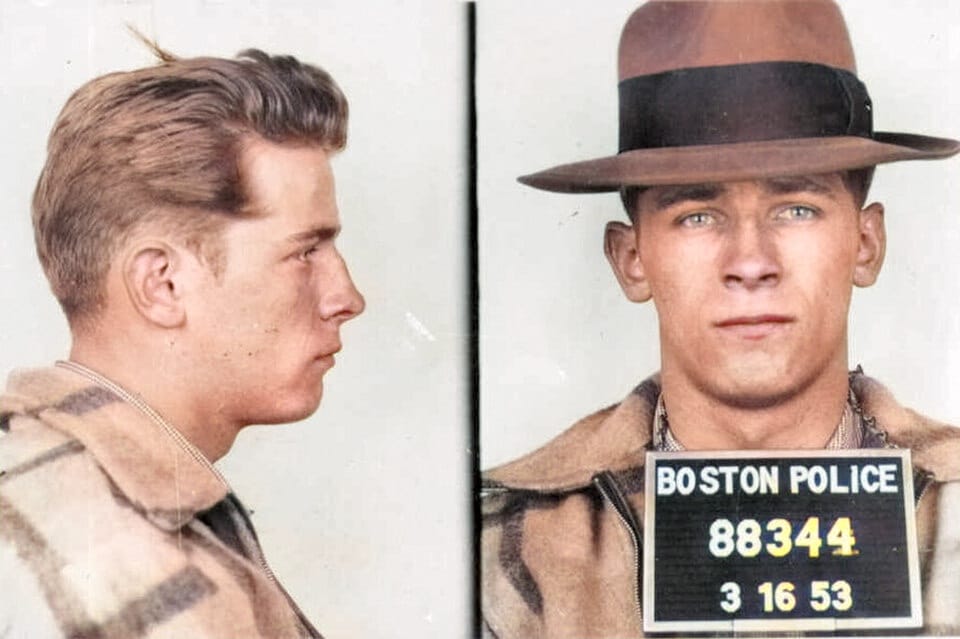
Squizzy Taylor

⬅ See all events from 27 October

Spread the word on your favourite platform!

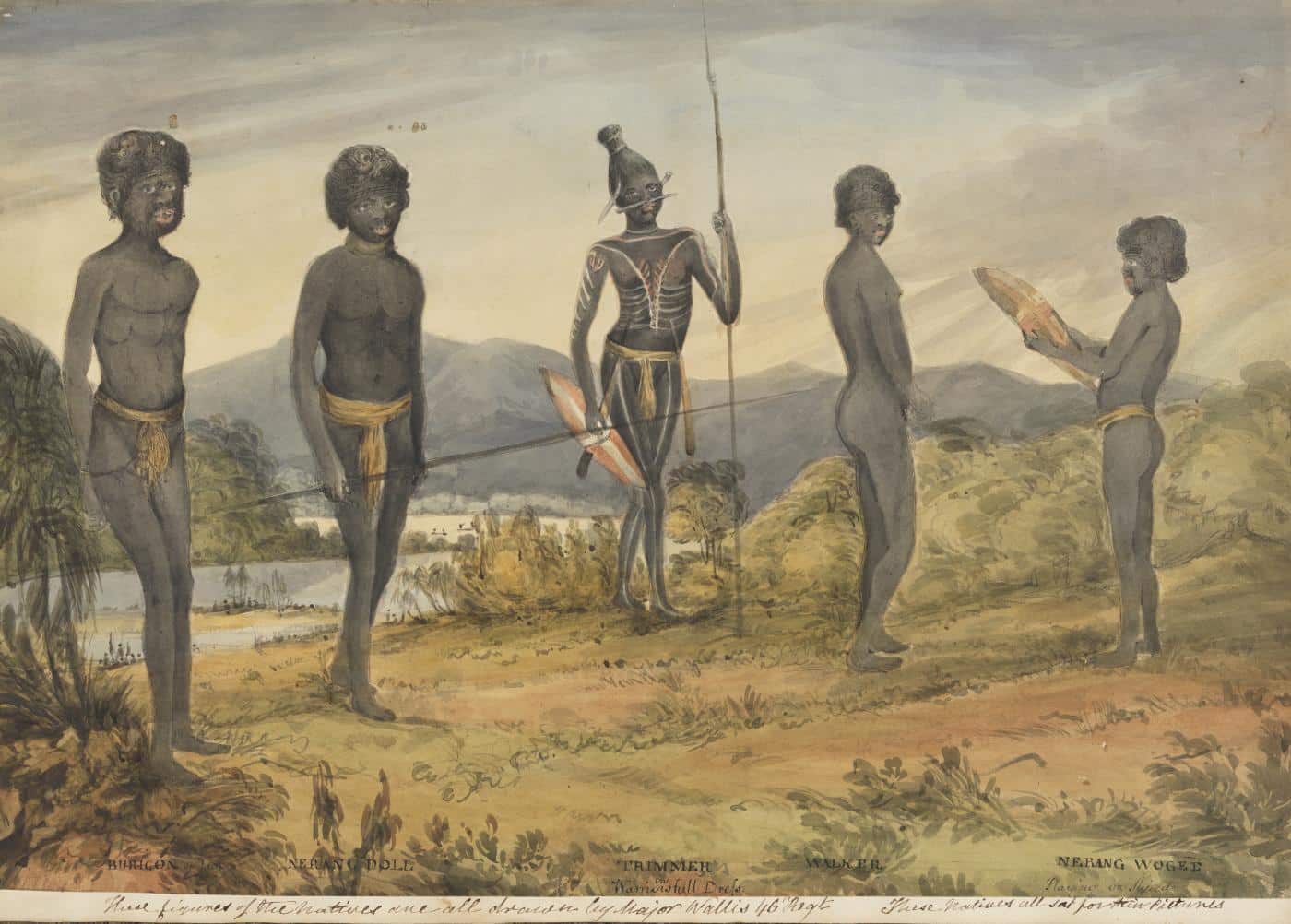
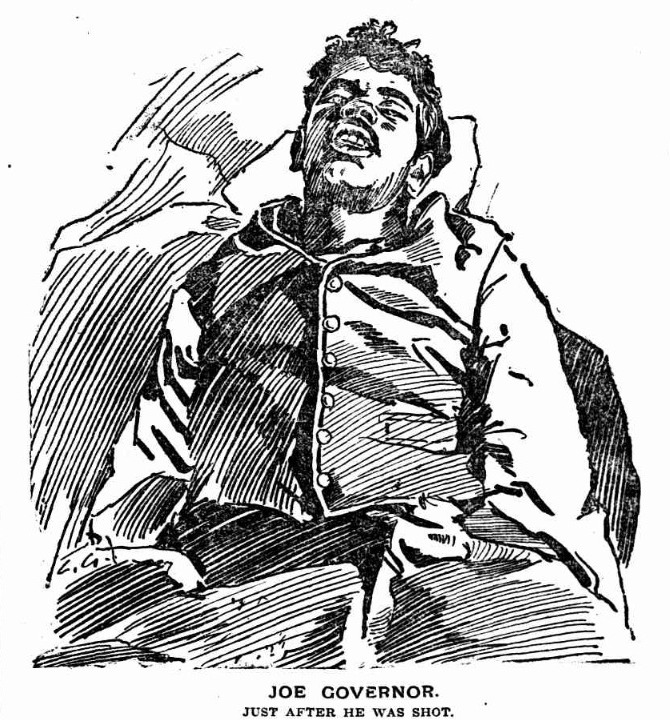
Burigon, a widely respected leader among the Aboriginal people near Newcastle, had helped track down an escaped convict named John Kirby and was escorting him back to the settlement when Kirby turned on him with a knife, driving the blade into his abdomen.

The wound proved fatal. Burigon lingered for eleven days before dying on 27 October 1820, a loss felt deeply in a district where relations between Aboriginal people and the colony had been better than elsewhere in NSW districts.

Aboriginal people of New South Wales(Burigon on left), c. 1817–1818. Artwork by Captain James Wallis and Joseph Lycett. Public domain. Source: State Library of New South Wales.

⬅ See all events from 27 October

Spread the word on your favourite platform!

Abraham Munday, a shepherd working the east coast of Tasmania near Swansea, laced a rival shepherd’s flour with arsenic, hoping to kill George White. White survived only because the dose was so large it made him vomit it back up. An old man named Hamilton, who happened to share a piece of the poisoned bread while visiting the hut, was not so fortunate: the arsenic settled in his joints and left him crippled for life.

Munday was convicted and sentenced to death. He was hanged within the gaol at Oatlands on this day in 1857, and went to the scaffold badly shaken, not only by his fate but because the clergyman who had attended him in his final days, the Reverend Mr Ison, refused to walk up to the drop with him.

Antique apothecary poison bottle

⬅ See all events from 27 October

Spread the word on your favourite platform!

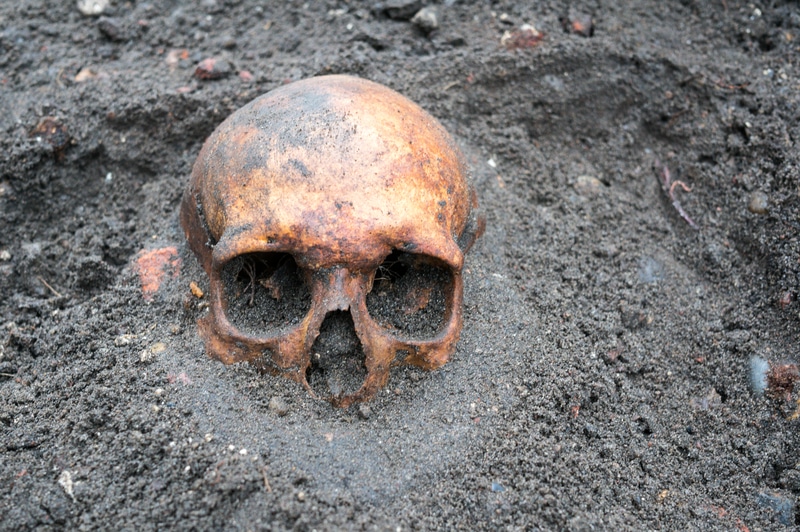
William Page, a groom at Hedley Park near Mount Gambier, had courted a young woman named Mary Buchan for months, though she confessed to her family that she loved him but feared him. On the night of 11 July 1875 she left to walk with him after church and was never seen alive again.

Weeks of fruitless searching followed, until two people who had never met, Buchan’s own father and the wife of the investigating police inspector, each separately dreamed that the dead girl led them to a ploughed field marked by three trees. Acting on the strange coincidence, police searched the spot and found her body buried about eighteen inches down, her hands bound with her own handkerchief.

Page was arrested, tried, and hanged at Mount Gambier on this day in 1875.

In a signed confession he admitted striking Buchan with a stockwhip handle after she tried to end their relationship, then strangling her when he believed the blow had been fatal. He insisted the killing was done only ‘in a fit of passion’ and expressed deep remorse before his death.

A Dream led them to the same location.

⬅ See all events from 27 October

Spread the word on your favourite platform!
On This Day in True Crime History

Subscribe to Dark Stories

True crime stories, dark history and tour news, straight to your inbox.