1870: Patrick Smith Hanged at Melbourne Gaol for the Murder of His Wife

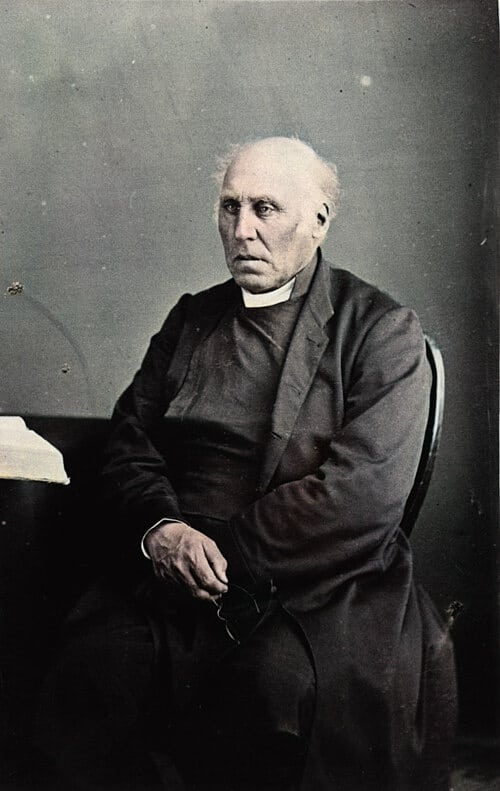
Patrick Smith, a fisherman working the Yarra and Saltwater rivers, had subjected his wife Mary to years of brutal abuse at their home in Errol Street, Hotham (North Melbourne). Neighbours had witnessed repeated beatings and shocking cruelties; Mary herself had told those around her that she believed her husband would one day murder her. On 9 July 1870, after a day of drinking and quarrelling, a neighbour heard heavy blows, then silence, then Smith calling out ‘Mary, Mary, do get up.’ She was never seen alive again.

Smith was tried for the murder of his wife and convicted. He was hanged at Melbourne Gaol on 4 August 1870.

Maribyrnong River at Brimbank Park in Victoria, Australia

⬅ See all events from 4 August

Spread the word on your favourite platform!

1892: The Axe Murders That Made Lizzie Borden Infamous

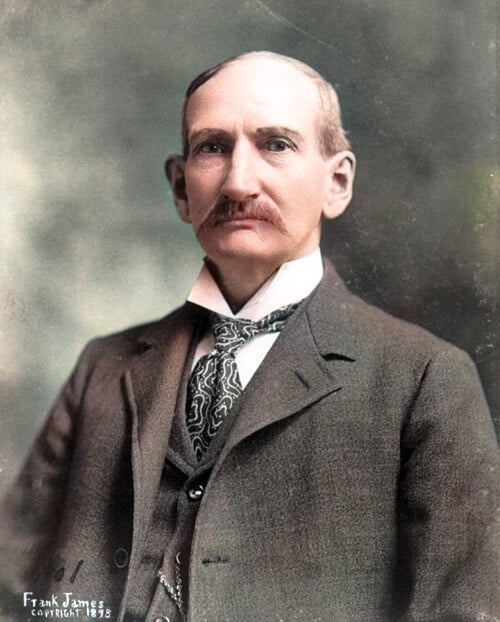
On the morning of 4 August 1892, Andrew Borden and his wife Abby were found hacked to death in their home in Fall River, Massachusetts. Andrew, a self-made millionaire with an estate valued at $300,000, had built his fortune through furniture, property, and banking, yet kept a famously frugal household. Suspicion fell almost immediately on his younger daughter, Lizzie, a churchgoing Sunday school teacher and temperance advocate.

Lizzie Borden was tried for the axe murders of her father and stepmother and acquitted, with no one else ever charged. She spent the rest of her life in Fall River, dying of pneumonia in 1927 at age 66. The case never left the public imagination, inspiring films, plays, literary works, and one of the most enduring folk rhymes in American criminal history.

Portrait of Lizzie Borden 1890

⬅ See all events from 4 August

Spread the word on your favourite platform!

2002: Ian Huntley Lures Two Girls Into His Home and Murders Them

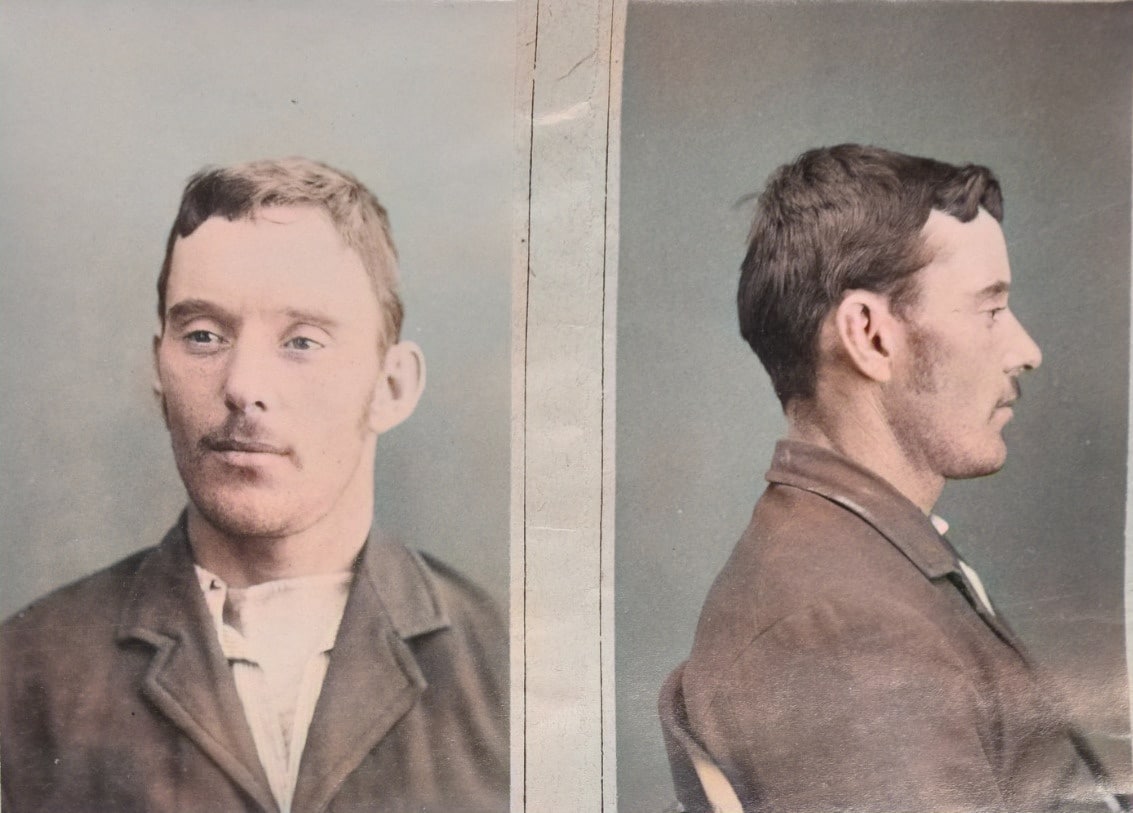
Ian Huntley, a caretaker at Soham Village College in Cambridgeshire, England, murdered ten-year-olds Holly Wells and Jessica Chapman on 4 August 2002. Despite a history of sexual offending involving minors, Huntley had secured a position at the school. He used his girlfriend Maxine Carr’s connection to the girls, both pupils at the local primary school where Carr worked as a teaching assistant, to lure them inside his home as they walked past.

Carr provided Huntley with a false alibi for that night. Both were later arrested and tried. Huntley was convicted of double murder in 2003 and sentenced to two life terms. Carr was convicted of perverting the course of justice and served a portion of her sentence before release under a new identity.

Ian Huntley Lures Two Girls Into His Home and Murders Them

⬅ See all events from 4 August

Spread the word on your favourite platform!

1265: The Murder of Evesham: Simon de Montfort Crushed at the Height of His Power

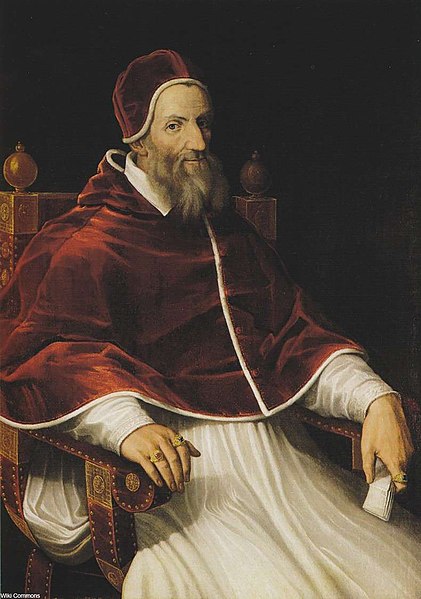
On 4 August 1265, the Battle of Evesham ended the Second Barons’ War in one of medieval England’s most decisive and brutal engagements. Simon de Montfort, Earl of Leicester, had dominated royal government since his victory at Lewes the previous year, holding King Henry III and Prince Edward in captivity. But the defection of key allies and the escape of Prince Edward unravelled his position. Trapped in a loop of the River Avon near Evesham, Worcestershire, outnumbered two to one and deceived by captured banners flown to disguise the approaching royalist army, de Montfort knew his fate. His reported final words: ‘Our bodies are theirs, our souls are God’s.’

The battle was short and merciless. De Montfort was killed and his body mutilated. The contemporary chronicler Robert of Gloucester called it ‘the murder of Evesham, for battle it was none.’ Royal authority was restored, though pockets of resistance persisted until the Dictum of Kenilworth in 1267.

Simon de Montfort, 6th Earl of Leicester, dies in the Battle of Evesham.

⬅ See all events from 4 August

Spread the word on your favourite platform!
On This Day in True Crime History

Subscribe to Dark Stories

True crime stories, dark history and tour news, straight to your inbox.