1216: The Poison Toad Theory Behind the Death of King John of England

Legend has it that King John of England was not felled by illness but by a monk’s revenge. Staying at Swineshead Abbey in Lincolnshire that October, John allegedly threatened to starve his own kingdom with crushing bread prices; a monk is said to have milked a toad for its venom, mixed it into a cup of ale, and drunk from it himself before serving the king, to prove the drink was safe. The monk reportedly died first in the abbey infirmary, and John followed him within hours.

The king, already infamous for the Magna Carta he was forced to sign and then tried to annul, died at Newark Castle on 19 October 1216 as a rebel army closed in on his crumbling kingdom. The poisoning story only surfaces in a chronicle written decades later for John’s old enemies, the barons; most contemporary accounts agree he died of dysentery, the far less dramatic verdict most historians still accept today.
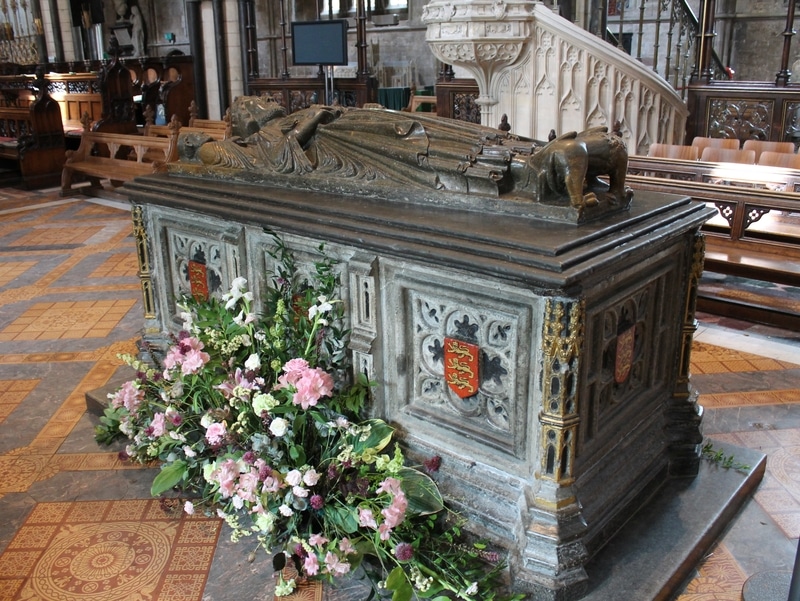

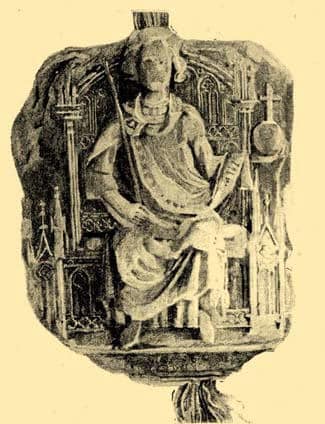
Tomb of King John of England in Worcester Cathedral

⬅ See all events from 19 October

Spread the word on your favourite platform!

1306: The Murder That Ended the Premysl Dynasty

On 4 August 1306, Bohemian King Wenceslas III was stabbed to death in Olomouc, cutting short the reign of a young ruler who had held the crowns of Hungary, Bohemia, and Poland. He was just 16 years old. His death extinguished the male line of the Premysl dynasty, a royal house that had shaped Central Europe since the ninth century.

With no male heir, the dynasty that had produced kings across three kingdoms collapsed in a single moment of violence. The Luxembourg clan seized Bohemia; the Piasts took Poland. The age of Premyslid rule was over.

/
Wenceslas III

⬅ See all events from 4 August

Spread the word on your favourite platform!
On This Day in True Crime History

Subscribe to Dark Stories

True crime stories, dark history and tour news, straight to your inbox.