1989: The Confession That Was Buried for 12 Years: the Guildford Four Finally Freed

The Guildford Four were four young people wrongly convicted over a pub bombing campaign carried out by the IRA in Guildford, England, in 1974, and sentenced to life in prison after detectives extracted confessions during lengthy, uncharged interrogations. Three of the convicted were in their early twenties; the youngest was still a teenager.

Within a few years an IRA unit known as the Balcombe Street Gang admitted in custody that they, not the four, had carried out the attack, but the confession was dismissed and the convictions stood. It took more than a decade, and the discovery that police had secretly rewritten interview notes to match the statements used at trial, before the case collapsed. On 19 October 1989, after 15 years behind bars, the Guildford Four walked free.
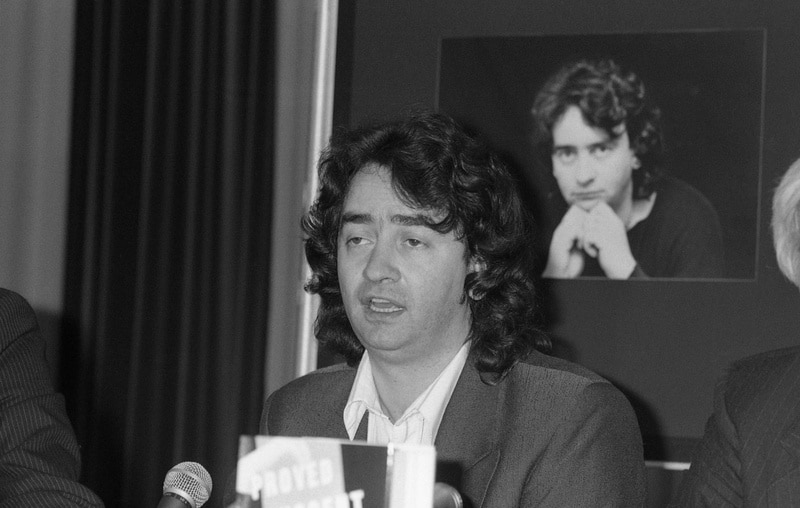

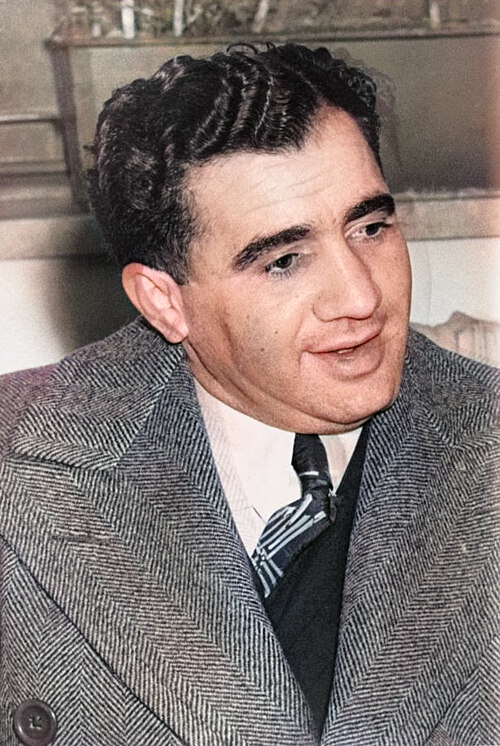
Gerry Conlon, One of the Guildford Four, wrongly jailed for the Guildford pub bombings in Surrey, England, at a book launch in London on June 11, 1990. | ID 11134005 © David Fowler | Dreamstime.com
ID 11134005 © David Fowler | Dreamstime.com

⬅ See all events from 19 October

Spread the word on your favourite platform!

1965: Saddleworth Moor Gives Up a Victim of the Moors Murders

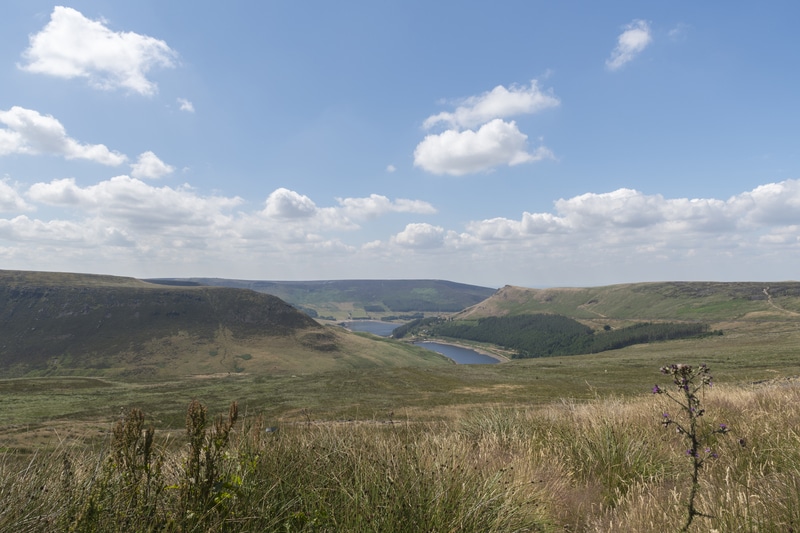
Lesley Ann Downey had been missing since Boxing Day 1964, taken from a Manchester fairground and killed by Ian Brady and Myra Hindley, who recorded her final minutes on tape. In October 1965 police digging on Saddleworth Moor spotted a bone protruding from the peat.

The body recovered was still visually identifiable. It was formally confirmed the next day as Lesley Ann, and her mother identified her by the clothing recovered with her, bringing a grim end to months of searching in one of Britain's most notorious crime cases.

Grim Murder Discoveries on Saddleworth Moors

⬅ See all events from 16 October

Spread the word on your favourite platform!

1586: A Queen on Trial for Her Life: Mary, Queen of Scots, Faces the Crown She Threatened

She had already lost one throne and spent nearly two decades a prisoner in England, but in October 1586 Mary, Queen of Scots, was brought before a tribunal of English noblemen at Fotheringhay Castle, accused of plotting to assassinate her own cousin, Queen Elizabeth I. Letters allegedly written in cipher, part of what became known as the Babington Plot, were produced as evidence that she had approved a plan to murder Elizabeth and seize the English crown for herself.

Mary denied any part in the conspiracy and refused at first to recognise the court's authority over an anointed queen. The trial proceeded regardless, and the verdict that followed would send her to the executioner's block the following year.

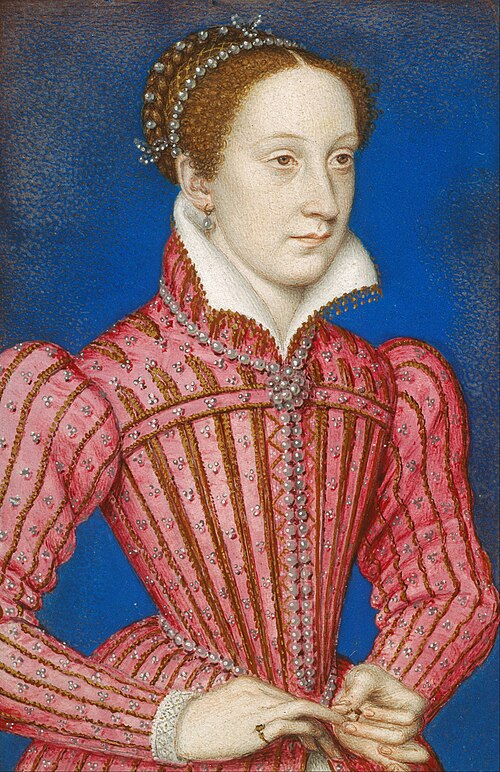
Portrait of Mary Queen of Scots in royal attire

⬅ See all events from 14 October

Spread the word on your favourite platform!

1984: The Brighton Bomb: the IRA Attempt to Wipe Out Margaret Thatcher and Her Cabinet

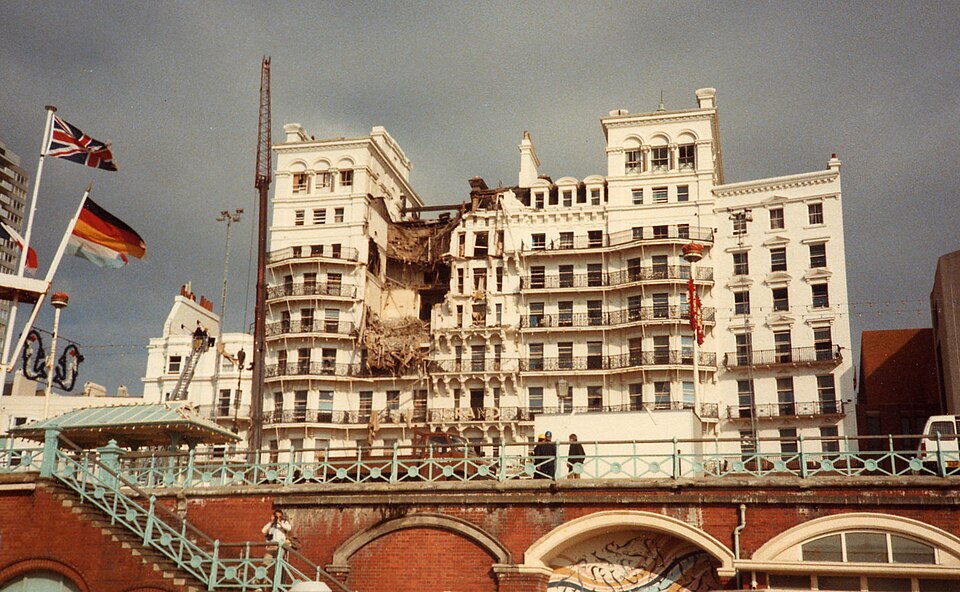
The Grand Hotel in Brighton was packed with Britain's Conservative leadership for their annual conference when a long-delay bomb, planted by the Provisional IRA weeks earlier in a guest room, tore through the building in the early hours. Margaret Thatcher was still awake working on her conference speech in the room next door and escaped with only cuts, but five people died in the rubble and 31 more were injured, some permanently maimed.

The bomber, Patrick Magee, had checked into the hotel under a false name and set the timer so far in advance that he was long gone before it detonated. The IRA's chilling statement afterward noted that Thatcher had been lucky that day, but they would only need to be lucky once. Magee was later caught through forensic evidence left on the bomb casing and convicted for the attack.

Grand Hotel, Brighton, after the bombing, 1984. Photo: D4444n / Wikimedia Commons, CC BY-SA 3.0 (creativecommons.org/licenses/by-sa/3.0/).

⬅ See all events from 12 October

Spread the word on your favourite platform!
On This Day in True Crime History
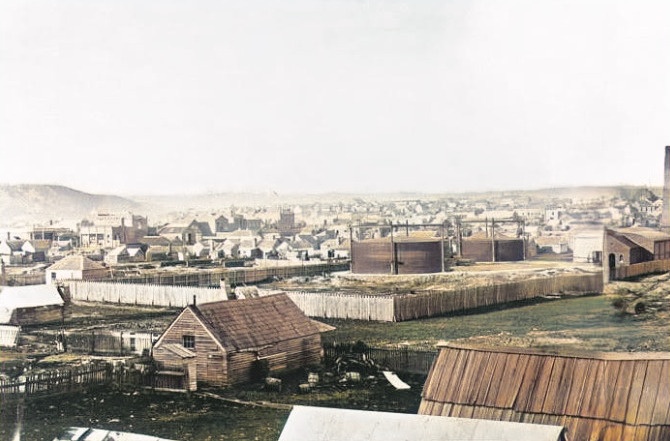
1858·The Rope Broke, So They Hanged Him Again: Samuel Gibbs Executed in Melbourne for the Murder of His Wife
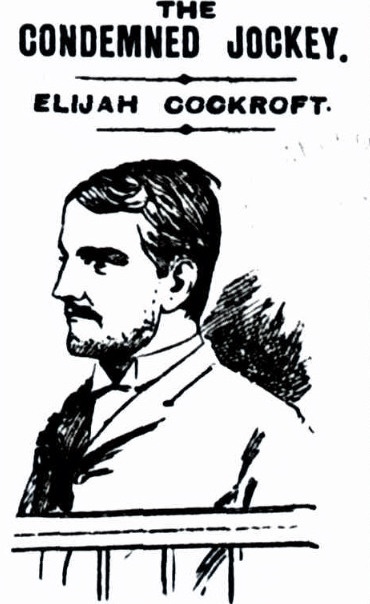
1858·He Named Four Innocent Men as the Killers: Hanged in Melbourne for a Ballarat Murder
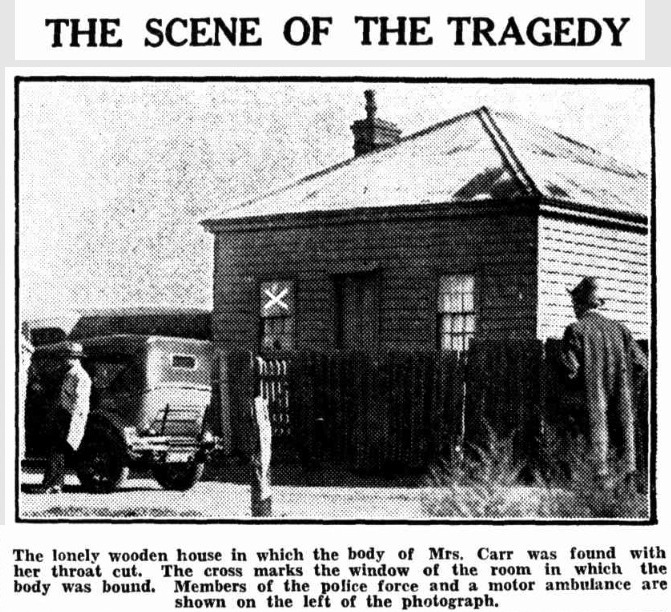
1929·She Asked for a Kiss, Then Bled to Death: Frederick Carr Hanged in Adelaide for Murdering His Wife
1963·The Royal Commission That Cleared Brisbane Police, Then Unravelled as a Cover-up
More Crime On This Day →

Subscribe to Dark Stories

True crime stories, dark history and tour news, straight to your inbox.