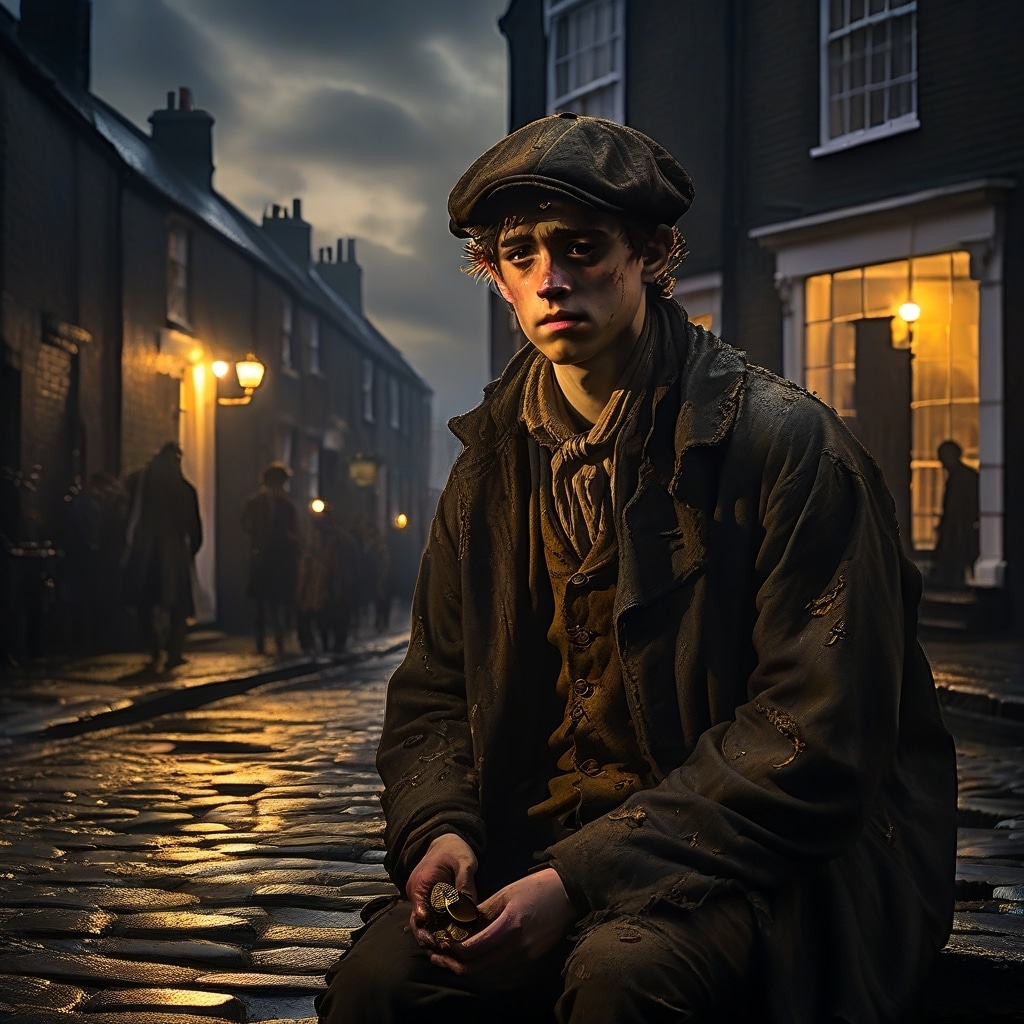
John Dykes gambled away everything he had, then slid from pickpocketing into armed robbery on the road between Mile End and Bow. When he held up Charles Wright at gunpoint, his haul amounted to a penknife, a seal, and five shillings and eightpence, hardly a fortune worth a man's neck.
He was convicted at Newgate and hanged on this day in 1721, just 23 years old, the end of a fall from gambling debts to the gallows that had taken only a few short years.
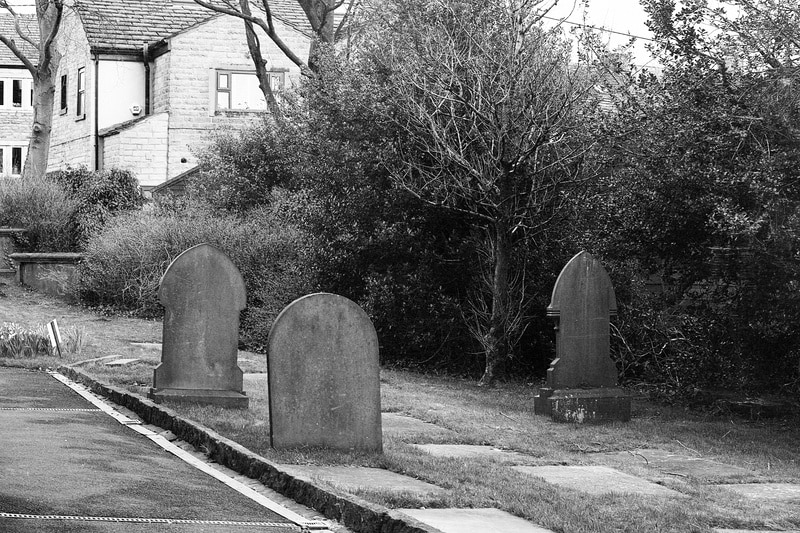
John Kilbride had vanished the previous November after leaving a Lancashire market, one of several victims to disappear from the Manchester area without explanation. Nearly a year later, on 21 October 1965, police dug up his badly decomposed remains on Saddleworth Moor; so little remained that he could only be identified by his clothing.
The discovery came the same day Ian Brady and Myra Hindley appeared in court charged with the murder of another victim, Lesley Ann Downey. Kilbride's body on the moor would soon tie the pair to a second killing, as the full scale of what became known as the Moors Murders began to emerge.
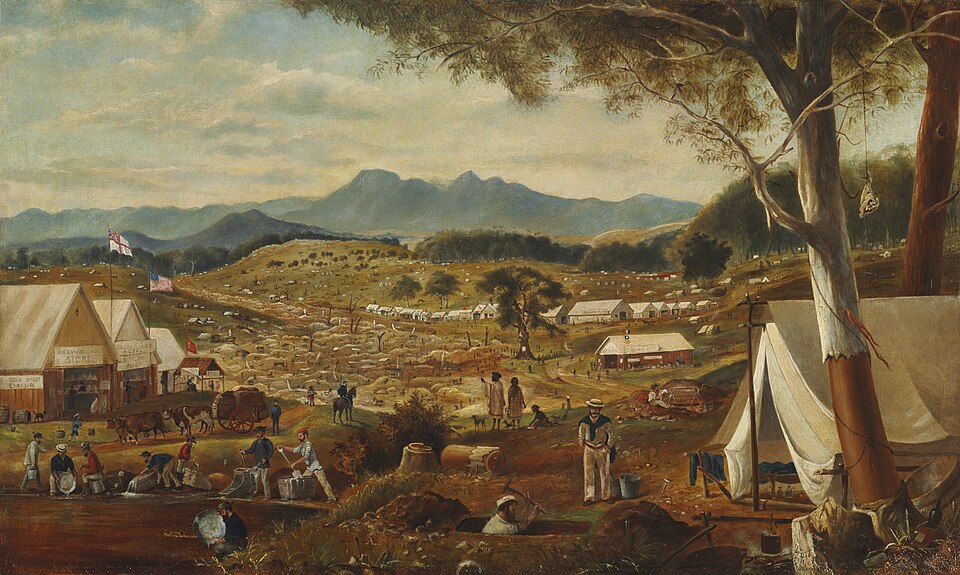
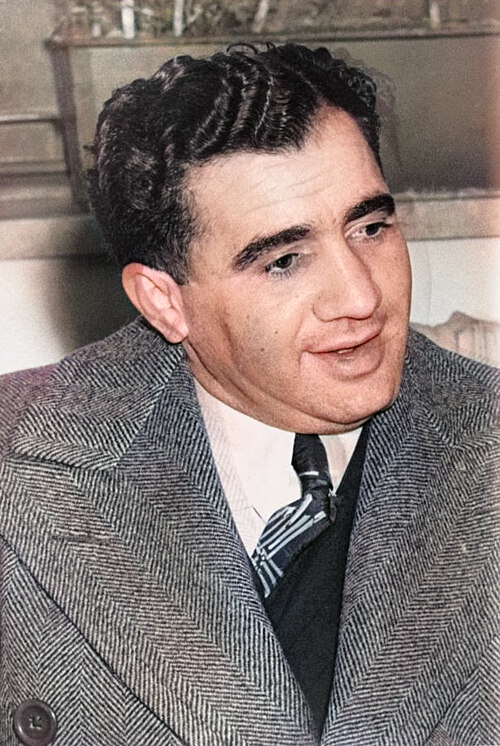
Alice Prestwich was just another house call for a family doctor trusted by an entire community. Harold Shipman gave the 69-year-old widow a lethal injection of morphine at her home in Hyde, Greater Manchester, on 20 October 1988, the same quiet routine he had already used on dozens of elderly patients before her. She became his 55th confirmed victim, and not one soul suspected a thing.
Shipman kept practising, and killing, for another ten years, forging wills and helping himself to his victims' assets along the way, before a suspicious bequest finally exposed him in 1998. An official inquiry later concluded he had killed at least 215 patients, making him the most prolific serial killer in British history.
Legend has it that King John of England was not felled by illness but by a monk's revenge. Staying at Swineshead Abbey in Lincolnshire that October, John allegedly threatened to starve his own kingdom with crushing bread prices; a monk is said to have milked a toad for its venom, mixed it into a cup of ale, and drunk from it himself before serving the king, to prove the drink was safe. The monk reportedly died first in the abbey infirmary, and John followed him within hours.
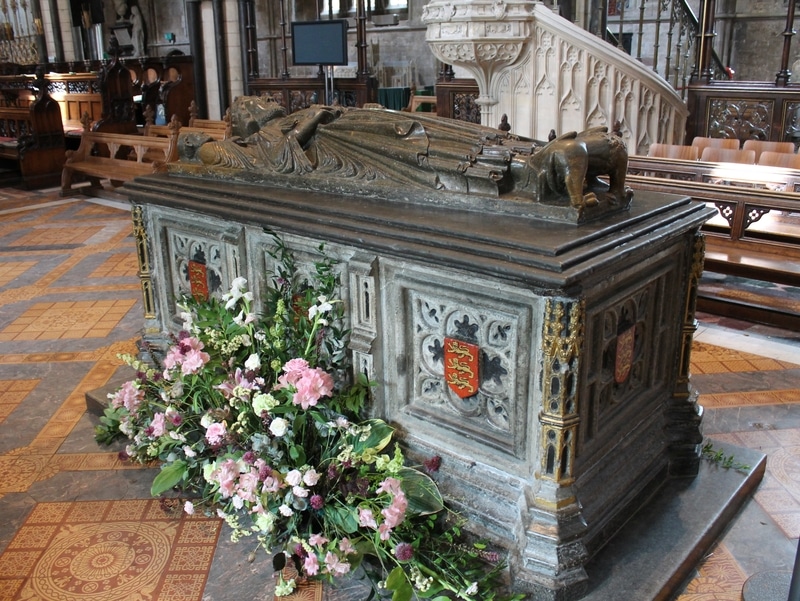
The king, already infamous for the Magna Carta he was forced to sign and then tried to annul, died at Newark Castle on 19 October 1216 as a rebel army closed in on his crumbling kingdom. The poisoning story only surfaces in a chronicle written decades later for John's old enemies, the barons; most contemporary accounts agree he died of dysentery, the far less dramatic verdict most historians still accept today.
Tomb of King John of England in Worcester Cathedral