1922: Cecil Hides a Body in his Bath

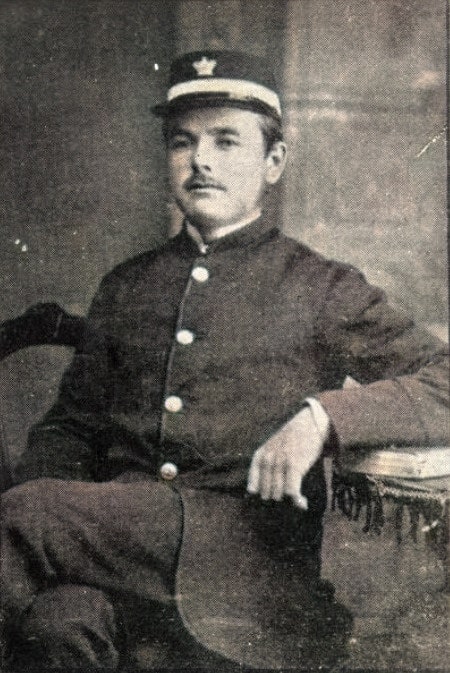
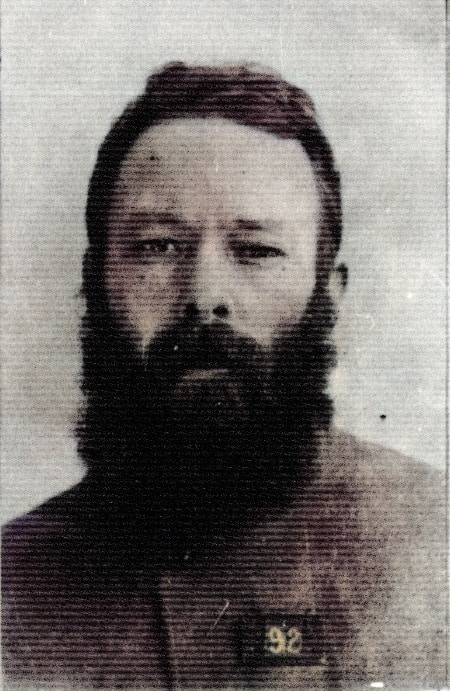
Cecil Maltby, a 47-year-old London tailor with a taste for gambling and drink, shot his mistress Alice Hilda Middleton three times in the back at his flat above his shop at 24 Park Road, Regent’s Park, on 24 August 1922. He concealed her decomposing body in a bath in the kitchen, wrapped in a sheet with a note claiming she had committed suicide. Her husband, returning from service with the Merchant Navy in the Far East, reported her missing in December 1922, prompting police to watch the premises.

When authorities finally forced entry on 10 January 1923, using a health order citing unsanitary conditions, officers heard a shot from the bedroom. Maltby had put a gun to his mouth and died within minutes. The pathologist’s report demolished his suicide narrative: Middleton had been shot three times from behind. A coroner’s jury returned a verdict of murder against Maltby, finding that he had then taken his own life to avoid arrest.


Bathtub filled with blood in a horror crime scene concept

⬅ See all events from 24 August

Spread the word on your favourite platform!

1305: William Wallace Hanged, Drawn, and Quartered at Smithfield

William Wallace, the Scottish knight and military leader who had defied English rule for nearly a decade, was captured in August 1305 and swiftly tried for treason and atrocities against English civilians. Brought before a tribunal in Westminster Hall, he denied the charge of treason on the grounds that he had never sworn allegiance to the English crown, but the verdict was a foregone conclusion.

On 23 August 1305, Wallace was dragged through the streets of London to Smithfield, where he was hanged, cut down while still alive, disembowelled, beheaded, and his body divided into four parts. His head was displayed on London Bridge; his limbs were sent to Newcastle, Berwick, Stirling, and Perth as a warning to those who would resist English rule. He became the most enduring symbol of Scottish resistance.

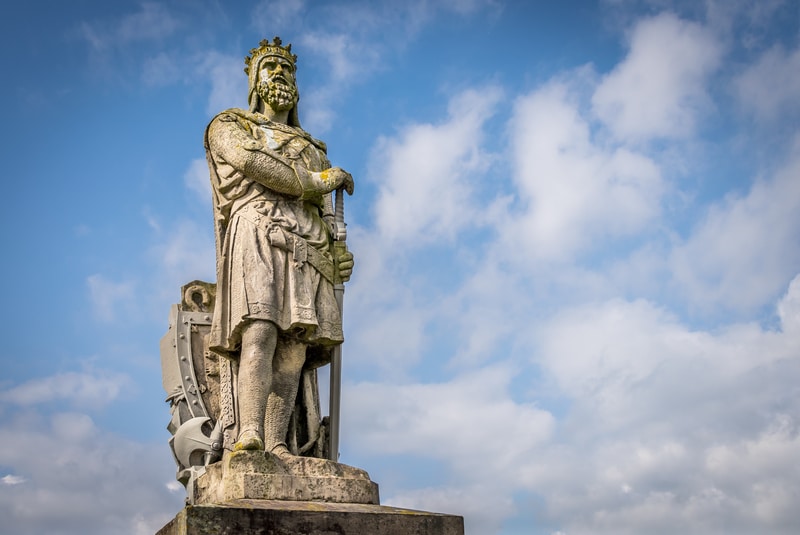
William Wallace statue outside Stirling Castle Scotland

⬅ See all events from 23 August

Spread the word on your favourite platform!

1831: The Burking Murder: Elizabeth Ross Smothers an Elderly Woman to Sell Her Corpse

In August 1831, Elizabeth Ross suffocated 84-year-old Caroline Walsh at lodgings in Goodman’s Yard, Minories, London. Walsh had been lured to move in with Ross and her partner Edward Cook. Ross held her hand over the elderly woman’s mouth for half an hour as she lay on the bed, killing her to sell the body to medical institutions, a practice known as burking.

The case emerged during a period of intense demand for cadavers in British medical schools, driven by the expansion of anatomical education following the Napoleonic Wars. Just three years earlier, the infamous Burke and Hare murders in Edinburgh had shocked the country, and the London Burkers, John Bishop and Thomas Williams, had committed a similar anatomy murder the same year as Ross.

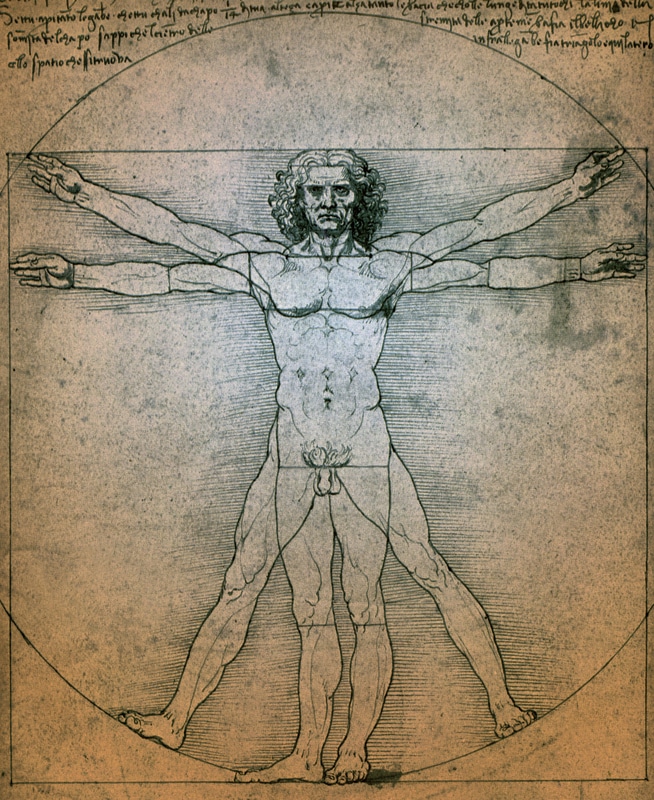
Vitruvian Man - Leonardo da Vinci. Vitruvian Man is a drawing created by Leonardo da Vinci circa 1487. It is accompanied by notes based on the work of the architect Vitruvius. The drawing, which is in pen and ink on paper, are sometimes called the Canon of Proportions or, less often, Proportions of Man. It is stored in the Gallerie dellAccademia in Venice | ID 27793770 © Steve Allen | Dreamstime.com
ID 27793770 © Steve Allen | Dreamstime.com

⬅ See all events from 19 August

Spread the word on your favourite platform!

1612: The Pendle Witch Trials Begin: Eleven Accused in One of England’s Most Documented Witchcraft Cases

In August 1612, eleven people stood trial at Lancaster Castle accused of witchcraft in one of the most thoroughly documented witch trials in English history. Six of the accused came from two rival poverty-stricken families: the Demdikes, led by Elizabeth Southerns known as Old Demdike, and the Chattoxes, led by Anne Whittle known as Mother Chattox. The trials unfolded against a backdrop of religious unrest in Lancashire, a region long regarded as resistant to Protestant authority and sympathetic to Catholicism.

Ten of the eleven were found guilty and executed. The proceedings were recorded in an official publication, The Wonderfull Discoverie of Witches in the Countie of Lancaster, by court clerk Thomas Potts, ensuring the case survived as legend. In a country where fewer than 500 people were executed for witchcraft over three centuries, this single summer of trials in Pendle accounts for roughly 2% of that total.

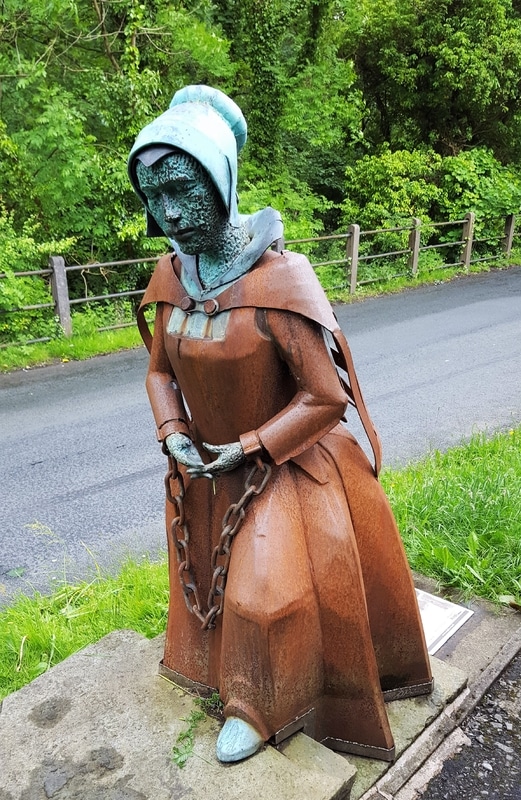
Sculpture of Alice Nutter famous English witch. Sculpture of Alice Nutter captured on the way to Pendle hill, famous witch trail and the history of the English witch craft. | ID 113675970 © Milosz Kubiak | Dreamstime.com
ID 113675970 © Milosz Kubiak | Dreamstime.com

⬅ See all events from 18 August

Spread the word on your favourite platform!
On This Day in True Crime History

Subscribe to Dark Stories

True crime stories, dark history and tour news, straight to your inbox.