1666: The Great Fire of London Begins on Pudding Lane

In the early hours of 2 September 1666, a fire broke out at the Pudding Lane bakery of Thomas Farriner in the City of London. Driven by strong winds, the blaze consumed around 80 percent of the old city before it was brought under control on 6 September. Though attributed to an accident at the bakery, the disaster ignited a desperate search for culprits.

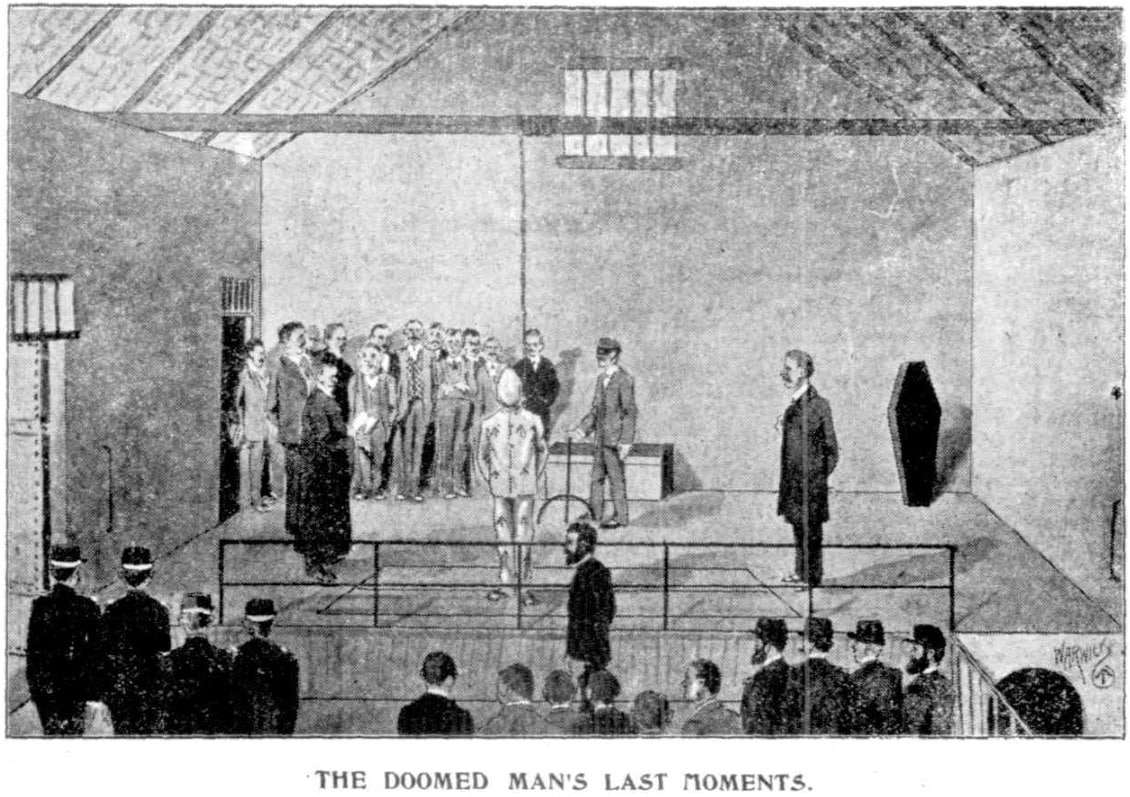
Robert Hubert, a French watchmaker from Rouen, confessed to starting the fire. His confession was riddled with impossibilities: he had not arrived in England until two days after the fire broke out, and he described throwing a fire grenade through a window at the Farriner bakery, which had no windows. With nationalism inflamed by the Second Anglo-Dutch War, a scapegoat was needed, and Hubert, a foreigner in a hostile city, was hanged for a crime he almost certainly did not commit.
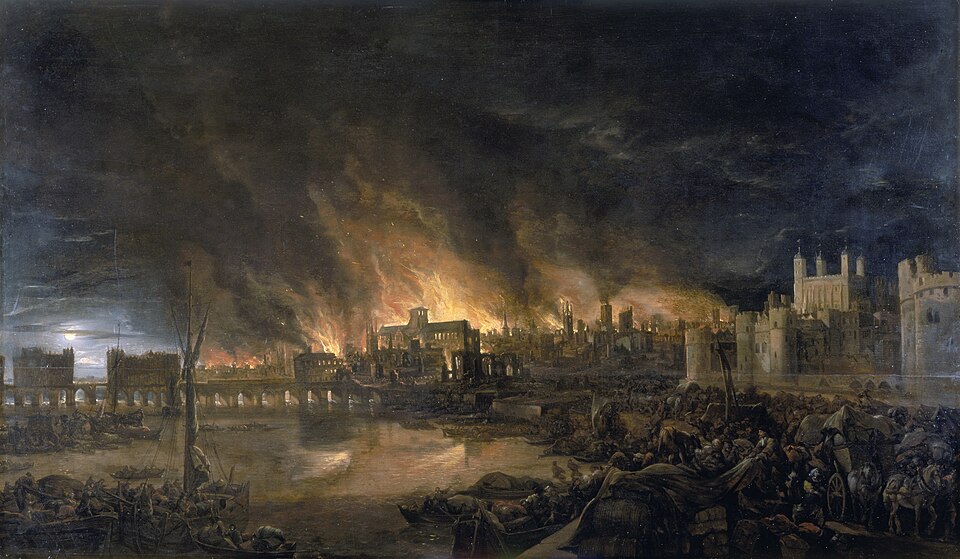

The Great Fire of London

⬅ See all events from 2 September

Spread the word on your favourite platform!

1888: Jack the Ripper Claims His First Victim in Whitechapel

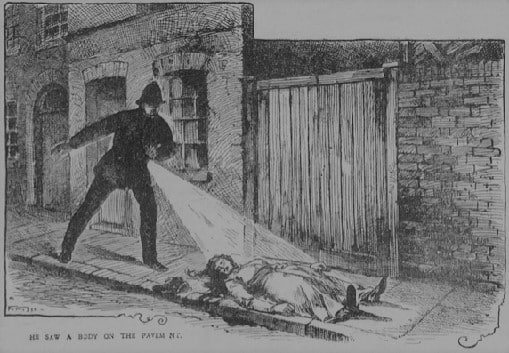
Mary Ann Nichols, known as Polly, was 43 years old, a divorced mother of five, and homeless on the night she died. In the early hours of 31 August 1888, she went to the streets of Whitechapel, London, to earn money for a bed. Her body was found before 4 a.m., her throat slashed with a long-bladed knife and her abdomen deeply cut. There were no witnesses.

Nichols became the first of at least five women murdered in and around Whitechapel between late August and early November 1888 by the killer who would become known as Jack the Ripper. Her death ignited intense press and public interest in both the murders and the desperate living conditions of London’s East End.

Despite countless theories, the killer Jack The Ripper, has never been identified.

Illustration of PC Neil discovering the body of Mary Ann Nichols with his lantern. Unknown artist, 1888. Published in Famous Crimes Past and Present, c.1903. Public domain.

⬅ See all events from 31 August

Spread the word on your favourite platform!

1979: Mountbatten Killed by IRA Bomb Off the Irish Coast

On 27 August 1979, Lord Louis Mountbatten, 79, was killed when a bomb planted by the Provisional IRA detonated aboard his fishing boat, Shadow V, in the waters off Mullaghmore, County Sligo, Ireland. The bomb, concealed on the vessel the night before, was remotely detonated as Mountbatten and family members set out from the harbour. Three others died in the blast, including his 14-year-old grandson Nicholas Knatchbull and a 15-year-old local boy.

Thomas McMahon, an IRA bomb-maker, was arrested hours before the explosion on unrelated grounds and later convicted of the murders based on forensic evidence linking him to the boat. The attack was coordinated with the Warrenpoint ambush the same day, which killed 18 British soldiers, making 27 August 1979 one of the deadliest days for British forces during the Troubles.

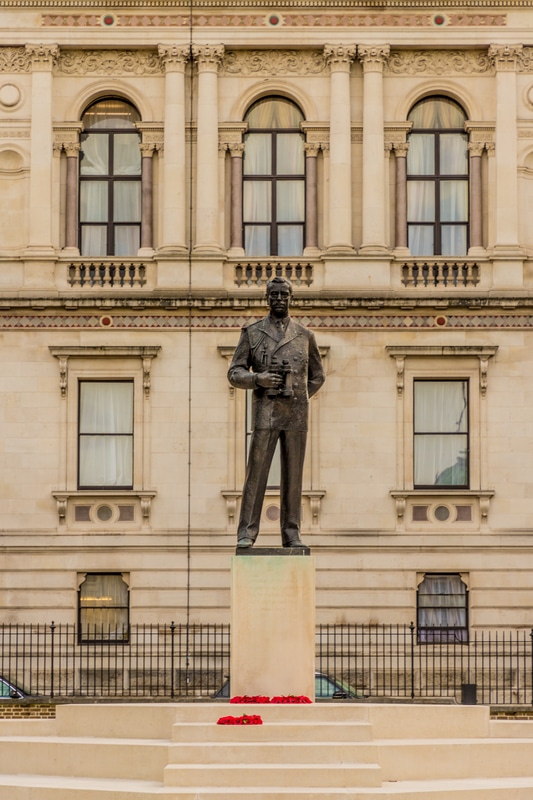
A typical view in London. London. October 2018. A statue of Lord Mountbatten in Horse guards parade in london | ID 130381623 © Chris Mouyiaris | Dreamstime.com
ID 130381623 © Chris Mouyiaris | Dreamstime.com

⬅ See all events from 27 August

Spread the word on your favourite platform!

1981: Harold Shipman Kills Elderly Patient With a Fatal Injection After She Fell Ill in Her Garden

In August 1981, 81-year-old Elizabeth Ashworth felt unwell while gardening at her home on Peel Street in Hyde, England, and asked her neighbours to call a doctor. Harold Shipman arrived, administered an injection, then told the neighbours she would not live much longer. When he returned later and asked if she was still alive, she had already died.

Investigators later identified her death as an unlawful killing, part of Shipman’s early pattern of murdering elderly patients with fatal opiate injections. Harold Shipman would go on to become one of history’s most prolific serial killers, convicted of 15 murders but suspected in the deaths of over 200 patients.

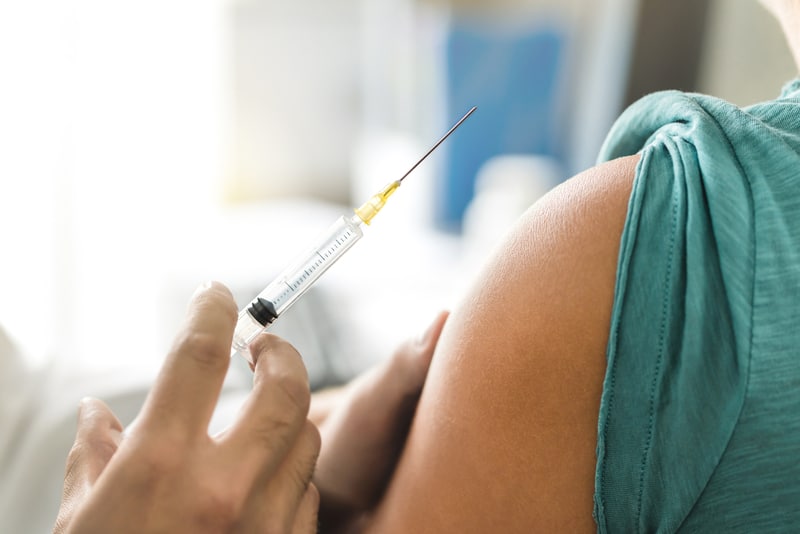
Injection to patient’s arm.

⬅ See all events from 26 August

Spread the word on your favourite platform!
On This Day in True Crime History

Subscribe to Dark Stories

True crime stories, dark history and tour news, straight to your inbox.