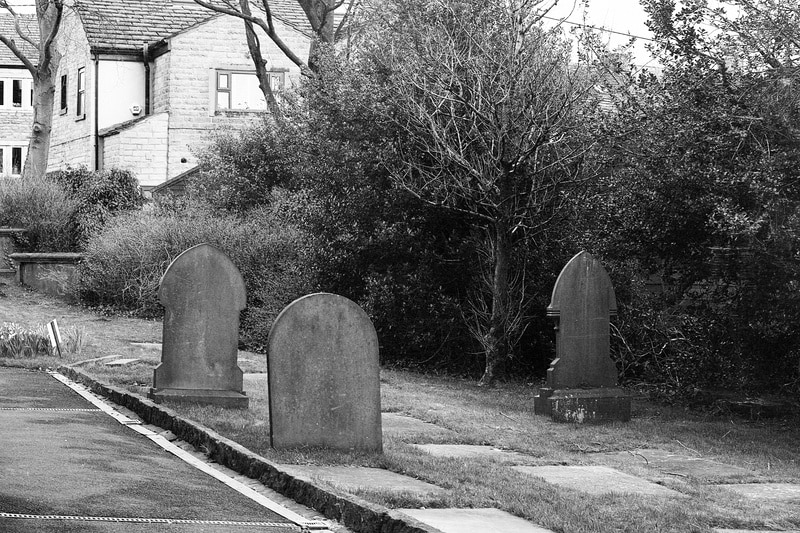
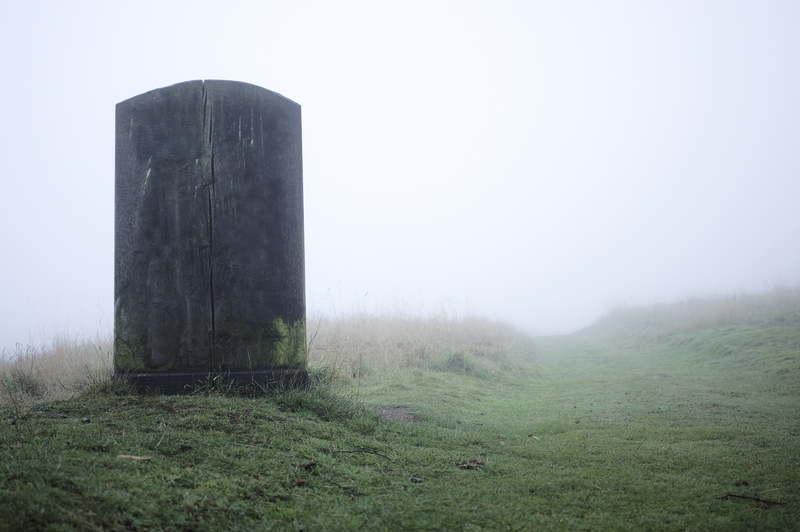
After three days searching the moorland above Manchester, police uncovered the first grave. The discovery confirmed what detectives had feared since finding a body at Ian Brady and Myra Hindley’s home: there were more victims.
Eleven days later, searchers found a second grave. Another victim was never found. His mother spent the rest of her life searching for answers and returning to the moor, hoping to bring her son home.
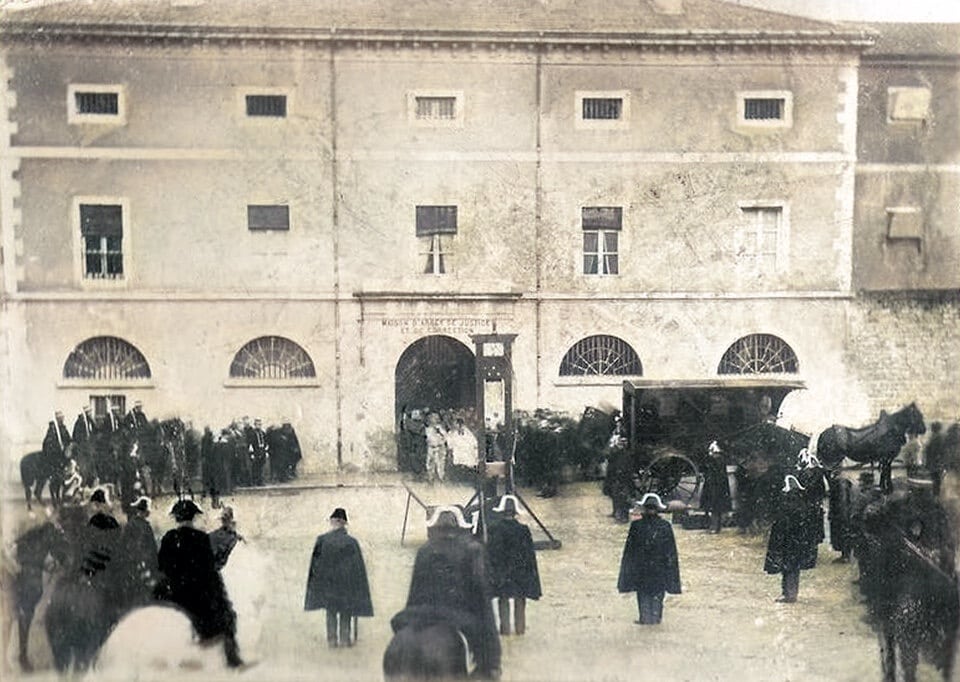
In Versailles in 1789, a physician named Joseph Guillotin stood before France's new National Assembly and argued that execution should not be a matter of rank or suffering. He proposed that every condemned prisoner, noble or commoner, die the same way: instantly, by a single blow of a blade, rather than by the axe, the sword, or the rope, methods that often took multiple strokes or slow strangulation to finish the job.
Guillotin framed it as a mercy, a way to strip cruelty and class privilege out of state killing. He did not invent the device that would later carry his name, nor did he ever operate one, but the machine built from his proposal would go on to define the French Revolution's Reign of Terror, and the word guillotine would forever be linked to the man who only meant to make dying less brutal.
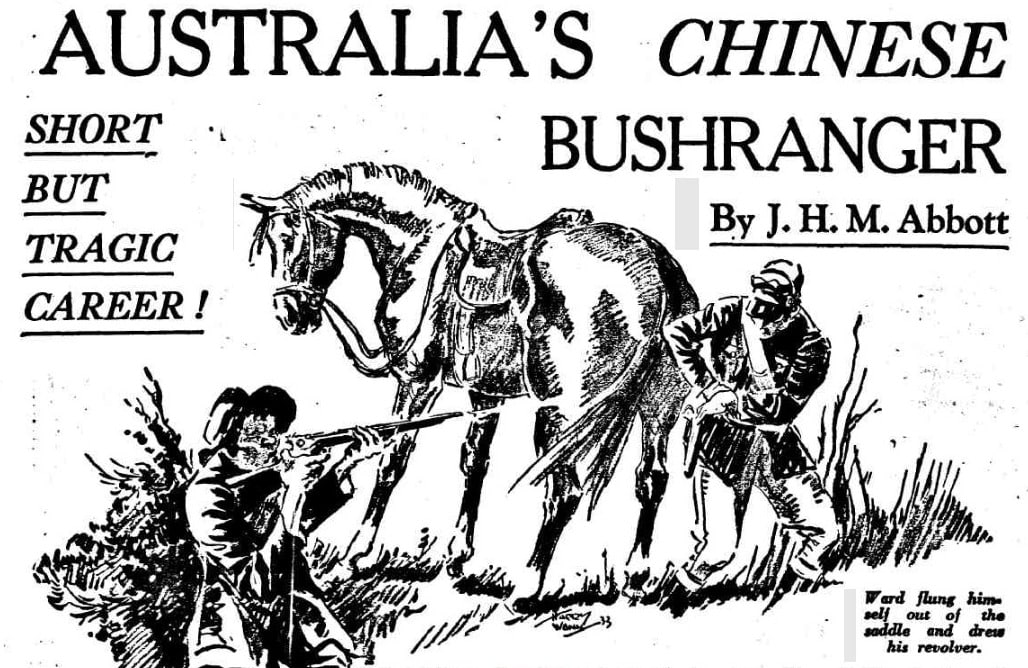
Sam Poo was an itinerant Chinese bushranger who spent ten days terrorising stockmen and settlers near Talbragar before shooting Senior Constable John Ward in February 1865. Tried at Bathurst that October, Poo took no part in his own defence; the court's Chinese interpreter could not understand his dialect, and he sat through the entire proceedings in silence while witnesses and the dying constable's own written statement were read against him.
The jury convicted him largely on that statement, in which Ward, certain he was dying, described being chased and shot by a "short, little, cranky old man" armed with a gun and pistol. The judge, visibly moved as he spoke the final words of the sentence, ordered Poo hanged, calling him a man who had terrified unarmed men, women and children before the killing.
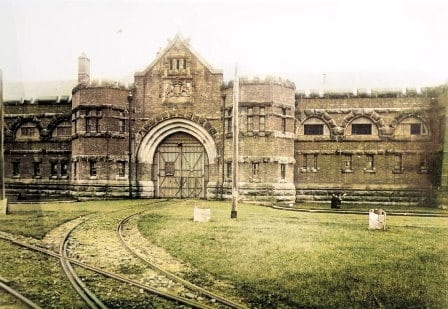
Kevin Simmonds and fellow inmate Leslie Newcombe escaped Sydney's Long Bay jail on 9 October 1959 by squeezing through a ventilator in an old chapel while prisoners watched a film. The next day they killed prison guard Cecil Mills at Emu Plains Prison Farm and fled with his gun, triggering what became the biggest manhunt in Australian history.
Newcombe was caught within a fortnight, but Simmonds evaded hundreds of armed police, tracker dogs and a helicopter for more than five weeks, tying up two rangers and stealing their truck along the way. Detective Sergeant Ray Kelly, nicknamed 'Gunner' for his record of shooting suspects, finally ran him down near Mulbring on 15 November, by which point crowds were cheering him at police stations as a folk hero.
A jury convicted both men of manslaughter rather than murder, and Simmonds was sent to the 'intractables' wing of Grafton gaol. Six years of brutal treatment there left him a vacant, self-harming shell of the man who had outrun the state; he was found hanged in his cell in 1966.