1989: The Confession That Was Buried for 12 Years: the Guildford Four Finally Freed

The Guildford Four were four young people wrongly convicted over a pub bombing campaign carried out by the IRA in Guildford, England, in 1974, and sentenced to life in prison after detectives extracted confessions during lengthy, uncharged interrogations. Three of the convicted were in their early twenties; the youngest was still a teenager.

Within a few years an IRA unit known as the Balcombe Street Gang admitted in custody that they, not the four, had carried out the attack, but the confession was dismissed and the convictions stood. It took more than a decade, and the discovery that police had secretly rewritten interview notes to match the statements used at trial, before the case collapsed. On 19 October 1989, after 15 years behind bars, the Guildford Four walked free.
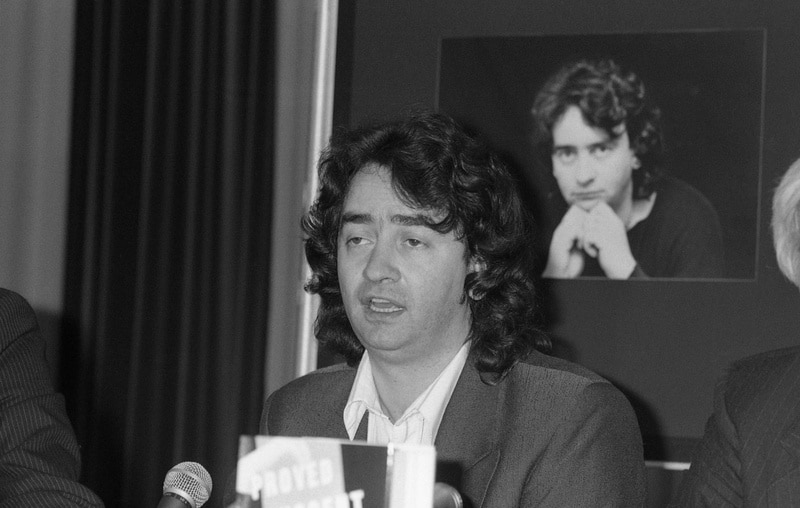

Gerry Conlon, One of the Guildford Four, wrongly jailed for the Guildford pub bombings in Surrey, England, at a book launch in London on June 11, 1990. | ID 11134005 © David Fowler | Dreamstime.com
ID 11134005 © David Fowler | Dreamstime.com

⬅ See all events from 19 October

Spread the word on your favourite platform!

2005: The Trial of Saddam Hussein Begins Over Crimes Against Humanity

Saddam Hussein, once the fifth president of Iraq, stood in the dock in Baghdad on this day in 2005 alongside seven co-defendants, charged with crimes against humanity before the newly formed Iraqi Special Tribunal. The man who had ruled Iraq for over two decades now faced judgement for the killings of civilians, a reversal few could have imagined just years earlier when he commanded absolute power.

The trial dragged on through outbursts, walkouts and the assassination of defence lawyers before Hussein was convicted. He was executed by hanging just over a year later, on 30 December 2006.

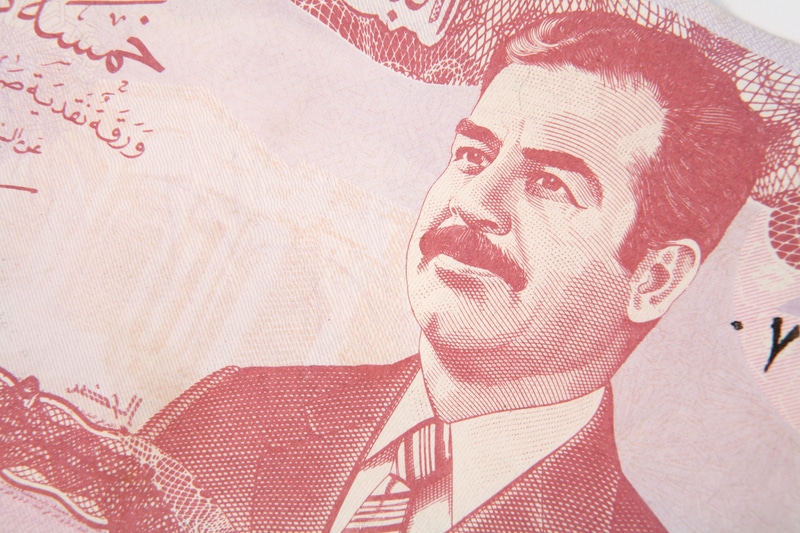
Baathist era 5 dinar Iraqi banknote with Saddam Hussein

⬅ See all events from 19 October

Spread the word on your favourite platform!

1826: The Informer Who Refused to Kill: Two Bushrangers Hanged Near Sydney

Patrick Sullivan and James Moran led a gang of bushrangers who terrorised the Bathurst district through 1826, raiding stations and homes for firearms, horses and supplies. When Sullivan ordered a gang member to murder a stockman in cold blood, the man balked, slipped away in the dark and turned himself in, giving evidence that broke the gang apart.

Tried before the Sydney Criminal Court, Sullivan and Moran pleaded guilty to burglary and horse theft and were sentenced to death. They were hanged at Irish Town on the Liverpool Road, near present-day Bankstown, on 18 October 1826, two days after their accomplices were. Their bodies were left suspended for the rest of the day as a warning to others.

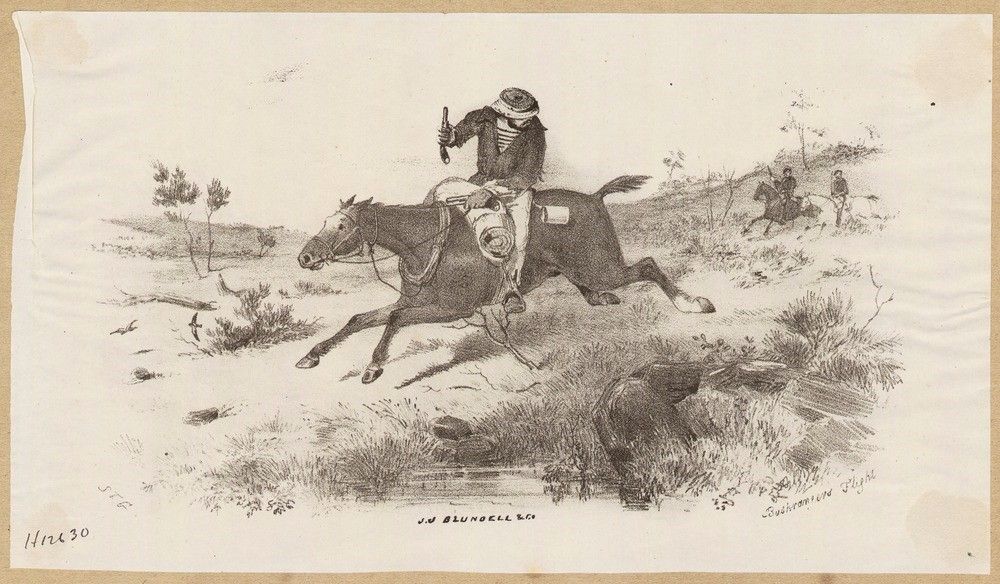
Bushrangers flight scene from 1856 illustration

⬅ See all events from 18 October

Spread the word on your favourite platform!

1854: An Acquittal Sparks a Riot: Ten Thousand Miners Burn the Eureka Hotel at Ballarat

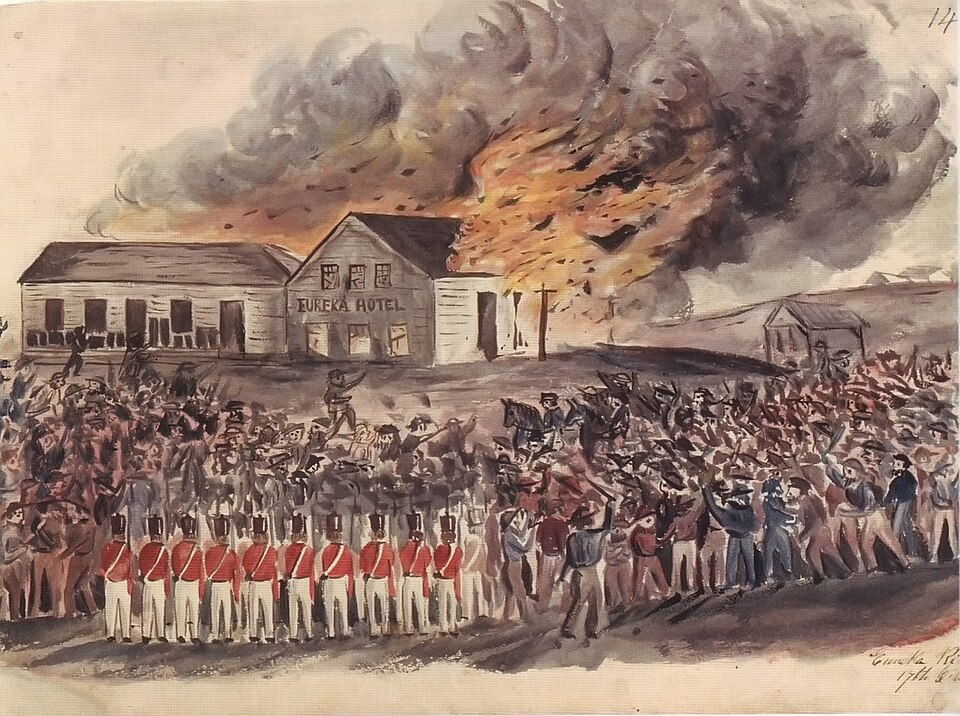
When the men accused of killing miner James Scobie walked free, the goldfields of Ballarat erupted. Roughly ten thousand miners massed near the Eureka Hotel, the pub where Scobie had been beaten to death, convinced the verdict was a stitch-up between the publican and the authorities.

The crowd set the hotel ablaze and turned on the officials sent to calm them: Gold Commissioner Rede was pelted with eggs as police and soldiers failed to restore order. The riot was a direct spark for the unrest that would culminate weeks later in the Eureka Stockade, one of the defining clashes of Australian colonial history.

Burning of Bentleys Hotel during the Eureka Riot 1854

⬅ See all events from 17 October

Spread the word on your favourite platform!
On This Day in True Crime History

Subscribe to Dark Stories

True crime stories, dark history and tour news, straight to your inbox.