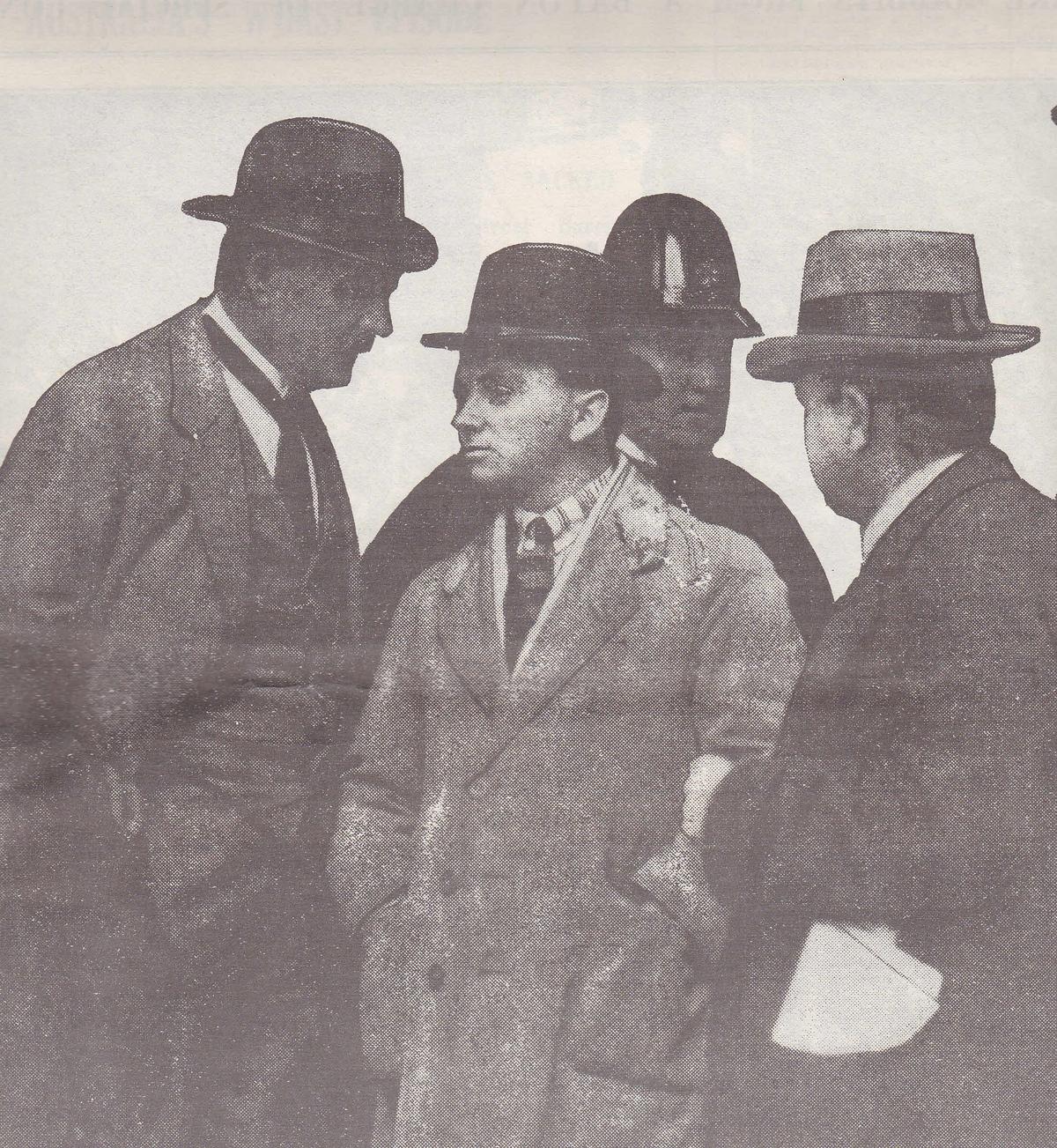
1931: The Tax Case That Brought Down Al Capone: 11 Years for the Most Famous Gangster in America

He had survived gang wars, bribery and a carefully built image as a Robin Hood of the Chicago slums, but it was not a murder charge that finally caught Al Capone. Federal prosecutors built a case not on bootlegging or bloodshed but on unpaid taxes, a paper trail he had never bothered to hide.

When the original jury pool was found to have been tampered with, the judge swapped it out entirely on the morning of the trial, stripping away whatever quiet deals Capone’s men had arranged in advance. The replacement jurors heard days of complex financial testimony, then took just nine hours to convict. On 17 October 1931, Capone was sentenced to 11 years in federal prison, the longest tax evasion sentence ever handed down to that point, ending the public myth with a ledger rather than a gun.
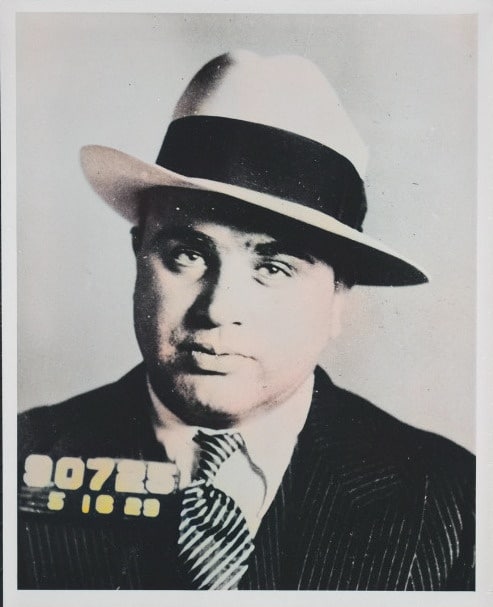

Al Capone, Philadelphia, 16 May 1929. U.S. National Archives, NAID 24520406. Use unrestricted.

⬅ See all events from 17 October

Spread the word on your favourite platform!

1855: “I Am Sorry I Did Not Kill Him”: a Convict Hanged at Perth for a Shovel Attack on a Warder

George Williams had already been flogged once for attacking warder James McEvoy at the Fremantle Convict Establishment, and as the irons went on he was overheard to say he was sorry he had not killed him, and would have blown out some brains with a pistol if he’d had one. Fellow convicts later testified he had vowed from his cell to throw McEvoy from the gallery and kill him.

Williams would get his chance. Seeing McEvoy pass by while on work duty, he ran at him with a shovel, beating him to the ground across the legs and head until the handle snapped, leaving the warder with a fractured skull. Convicted of wounding with intent to murder, Williams was hanged on this day at old Perth gaol.

On the scaffold Williams insisted he had never meant to kill McEvoy, and asked that no revenge be taken on those who had given evidence against him.

Businessman burying a womans body in a field with a shovel

⬅ See all events from 15 October

Spread the word on your favourite platform!

1846: Over Confiscated Kettles: Twelve Hanged on Norfolk Island After a Convict Mutiny

The trouble began with cooking pots. When the commandant of the Norfolk Island penal settlement ordered all private kettles and saucepans confiscated in June 1846, tightening an already brutal regime, convicts erupted in fury the next morning. A mob armed with axes and wooden billets killed a convict constable at the lumber-yard gate, beat an overseer to death with a carving fork and billets, then struck down two more sleeping constables before soldiers finally restored order.

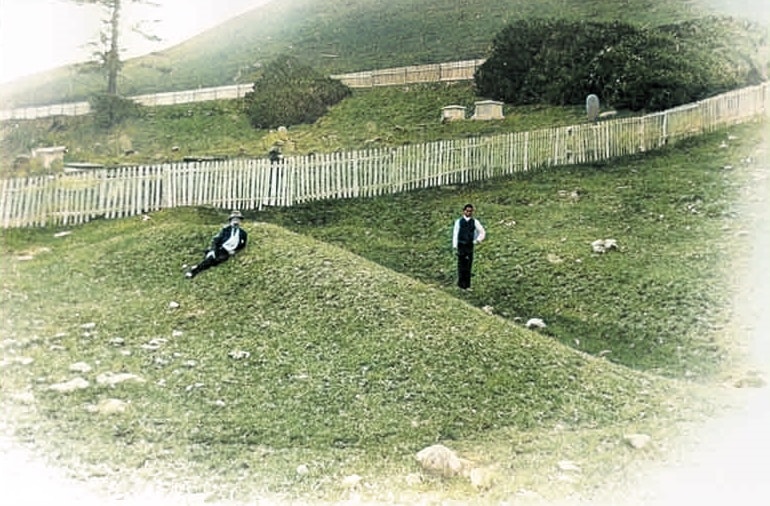
Fourteen men were tried months later before a military jury; twelve were convicted and hanged in two batches of six on the same morning in October 1846, their bodies buried outside consecrated ground in a spot still known as Murderers’ Mound. A thirteenth man was hanged six days after for the same overseer’s killing.

Before his execution, the ringleader declared that four of the twelve condemned men were innocent, insisting he had not even spoken to one of them on the morning of the riot and that the others had played no part in the killings, but it was to no avail.

Murderers mound on Norfolk Island circa 1900

⬅ See all events from 13 October

Spread the word on your favourite platform!

1846: Jackey Jackey: the Bushranger Hanged on Norfolk Island for the Cooking Pot Uprising

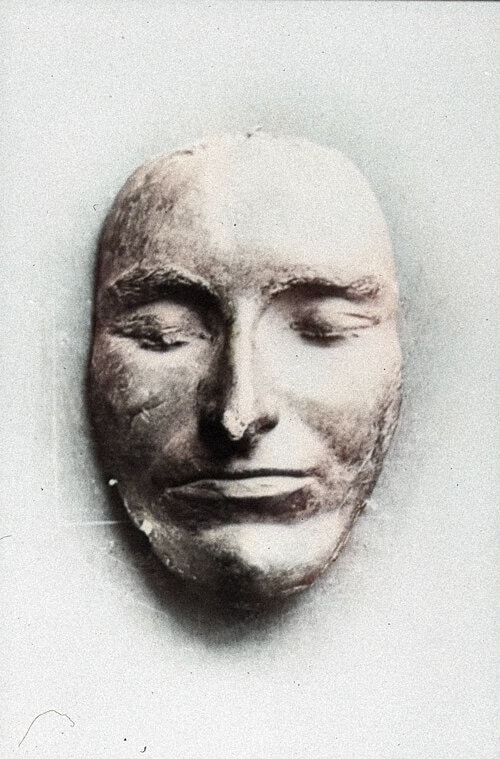
William Westwood was already notorious as Jackey Jackey, a bushranger transported twice and flogged repeatedly, when he helped lead the 1846 Cooking Pot Uprising on Norfolk Island, a desperate convict revolt sparked by brutal rations and treatment. In the chaos, three constables and an overseer were killed.

He was 26 when he was hanged on 13 October 1846, one of the largest mass executions in Australian penal history.

Death mask of William Westwood known as Jackey Jackey

⬅ See all events from 13 October

Spread the word on your favourite platform!
On This Day in True Crime History

Subscribe to Dark Stories

True crime stories, dark history and tour news, straight to your inbox.